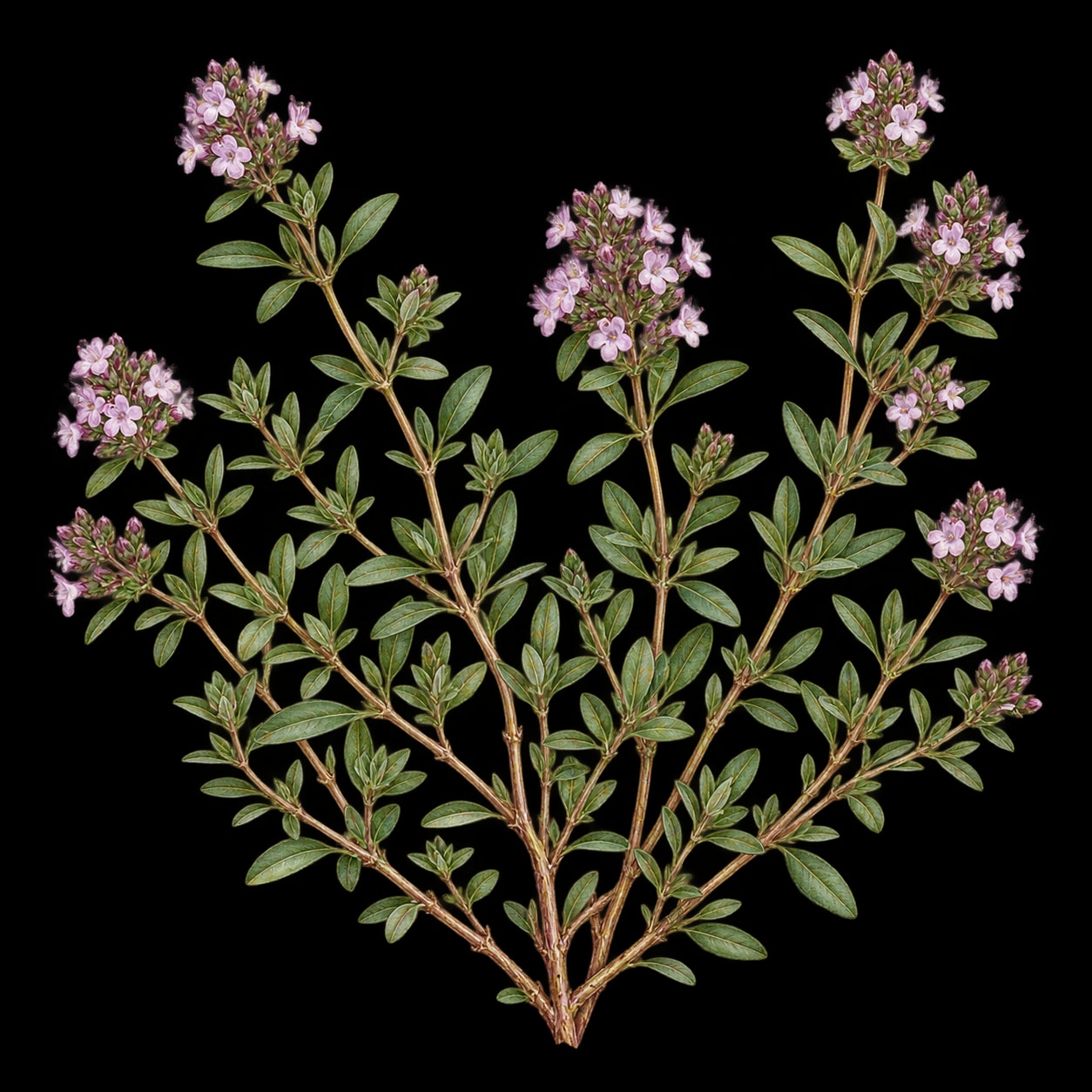
Thyme: spicy aroma and antimicrobial potential
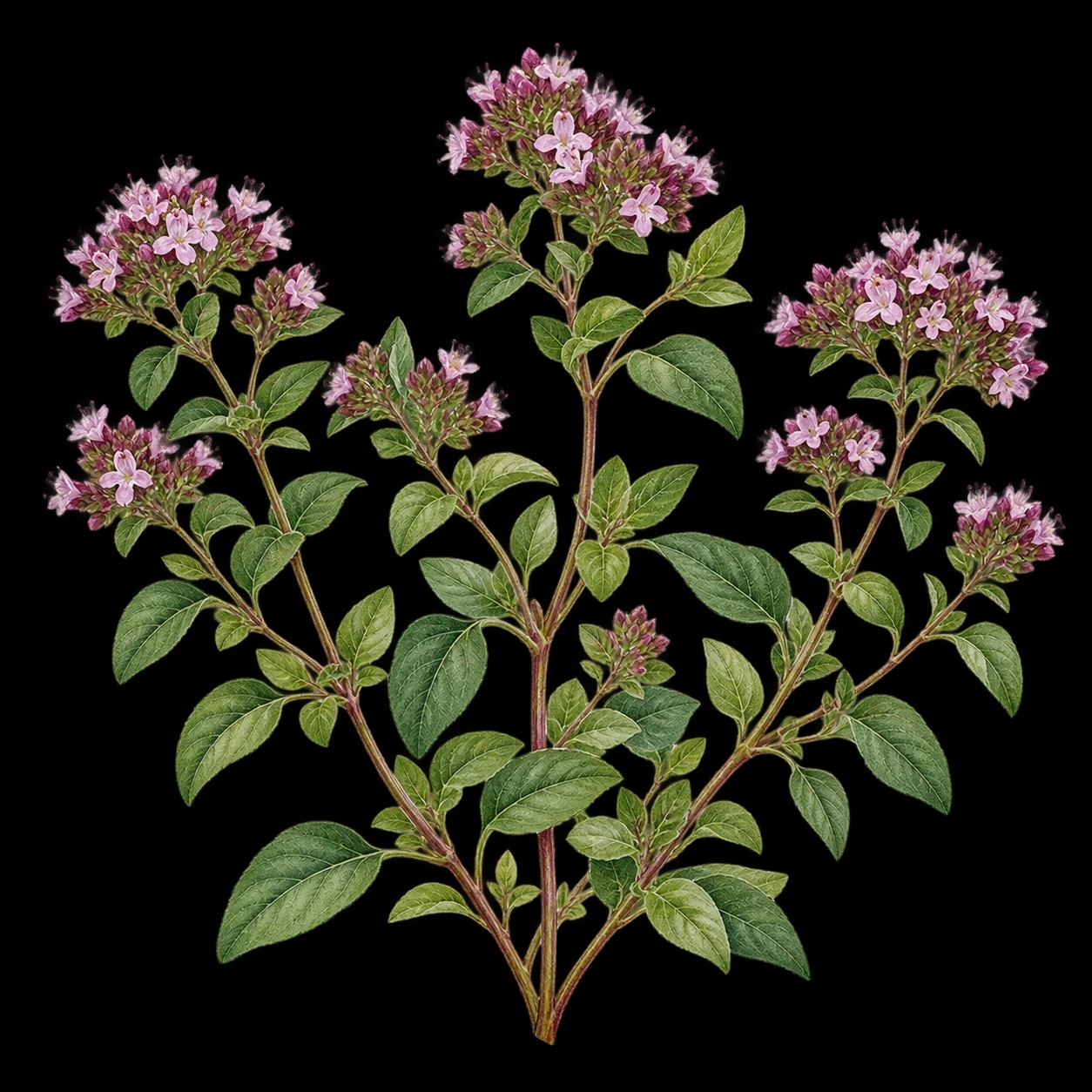
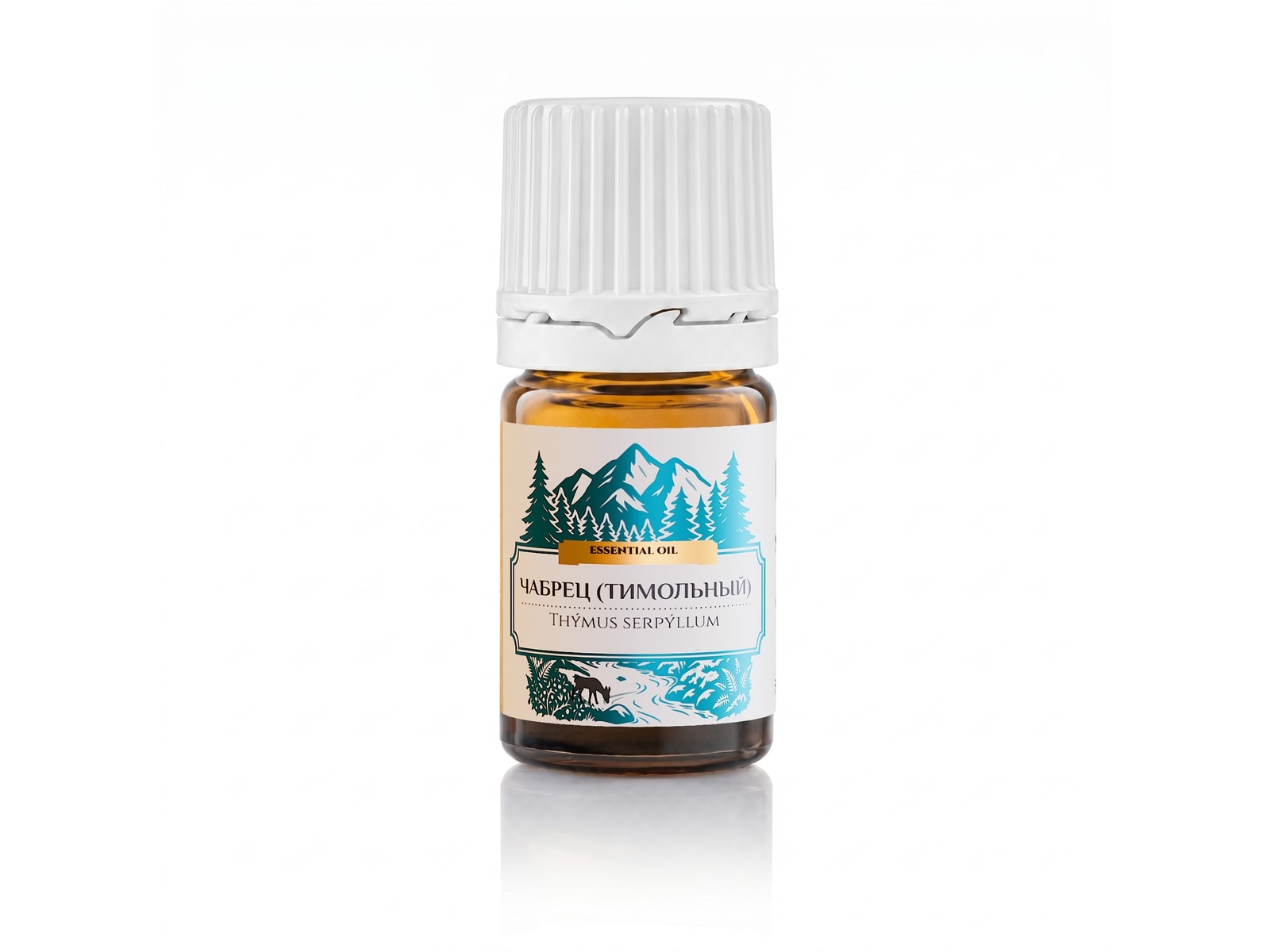
Wild thyme KARAHAAL — essential oil from our own distillation Thymus serpyllum, from creeping thyme. The label indicates a thymol profile. Its warm herbaceous intensity differs from a soft linalool palette: in the blend, thyme serves as a striking accent, the amount of which is carefully adjusted.
Antimicrobial activity
In a 2021 study, Thymus serpyllum essential oil was tested against bacteria, yeasts, and microbial biofilms. It suppressed the growth of several tested microorganisms, with the extent of response depending on the culture and testing method. These are laboratory and food model results that explain the interest in thyme when developing antimicrobial formulas. Room aromatization does not replicate the direct contact conditions of such tests. [1]
Antioxidant properties
In the same study, the oil's ability to interact with a free radical in the DPPH chemical test was evaluated. This is a characteristic of the tested mixture and its reactivity; practical tolerability of external formulations requires separate assessment. [1]
Seasonal aromatherapy
In aromatherapy practice, thyme is selected for rich herbal blends during cold seasons. A calm intensity is important: the aroma should not cause irritation or coughing. Phenolic oils are used in small amounts and should not be applied directly to the chest, neck, or mucous membranes.
Emotional sphere
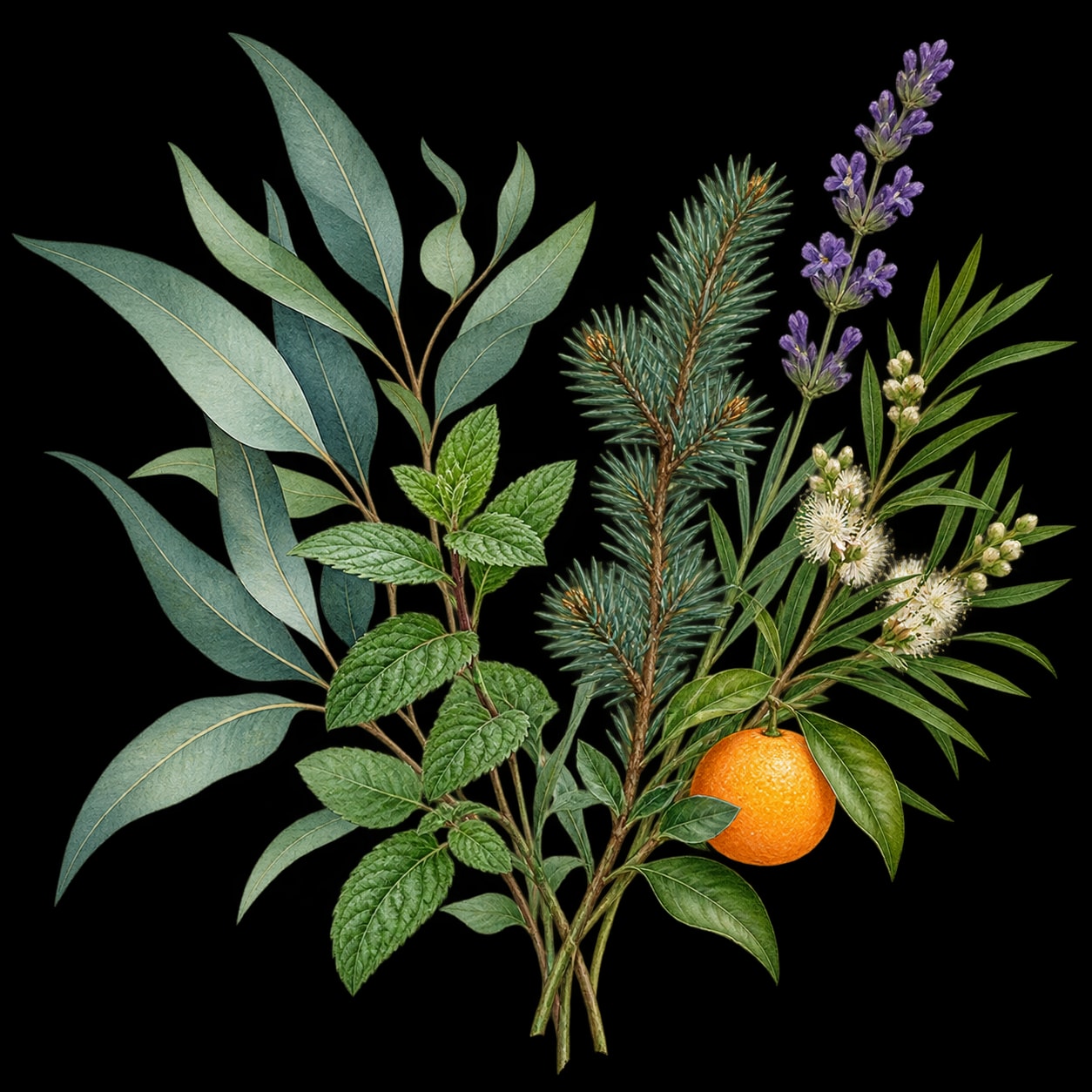
The warm, dry spice of thyme creates a gathered, alert character of the composition. Lavender softens the sharpness, sweet orange eases the beginning, woody oils maintain a stable background. For evening relaxation, thyme is better left as a small accent within a softer environment.
How to choose a combination
To get acquainted, first evaluate the scent separately on the aroma strip, without touching the concentrate to the skin. Then compare it with the selected lavender or citrus note. A specific recipe is required for timol essential oil; quantities from recipes of other types or chemotypes are not automatically transferable.
Blending suggestions
Lavender softens the herbal sharpness, citrus adds lightness, cedar creates a dry woody base. This combination is intended for a calculated formula.
How to use
- For aromatic blends, select the thyme proportion based on intensity and according to the instructions of the compatible device. For external use, use a personally calculated recipe with a carrier oil; do not add essential oil directly to bath water.
Precautions
Thymol-rich oil may irritate the skin and airways. Do not apply the concentrate to skin, mucous membranes, the face or damaged areas; do not ingest. Do not use for children or during pregnancy or breastfeeding without an individual professional assessment. For asthma or very sensitive skin, agree on the method of use with a specialist. Stop use if burning, a rash or coughing occurs.
What to combine with this care
- “Provence” lavender essential oil — Aromatic combination