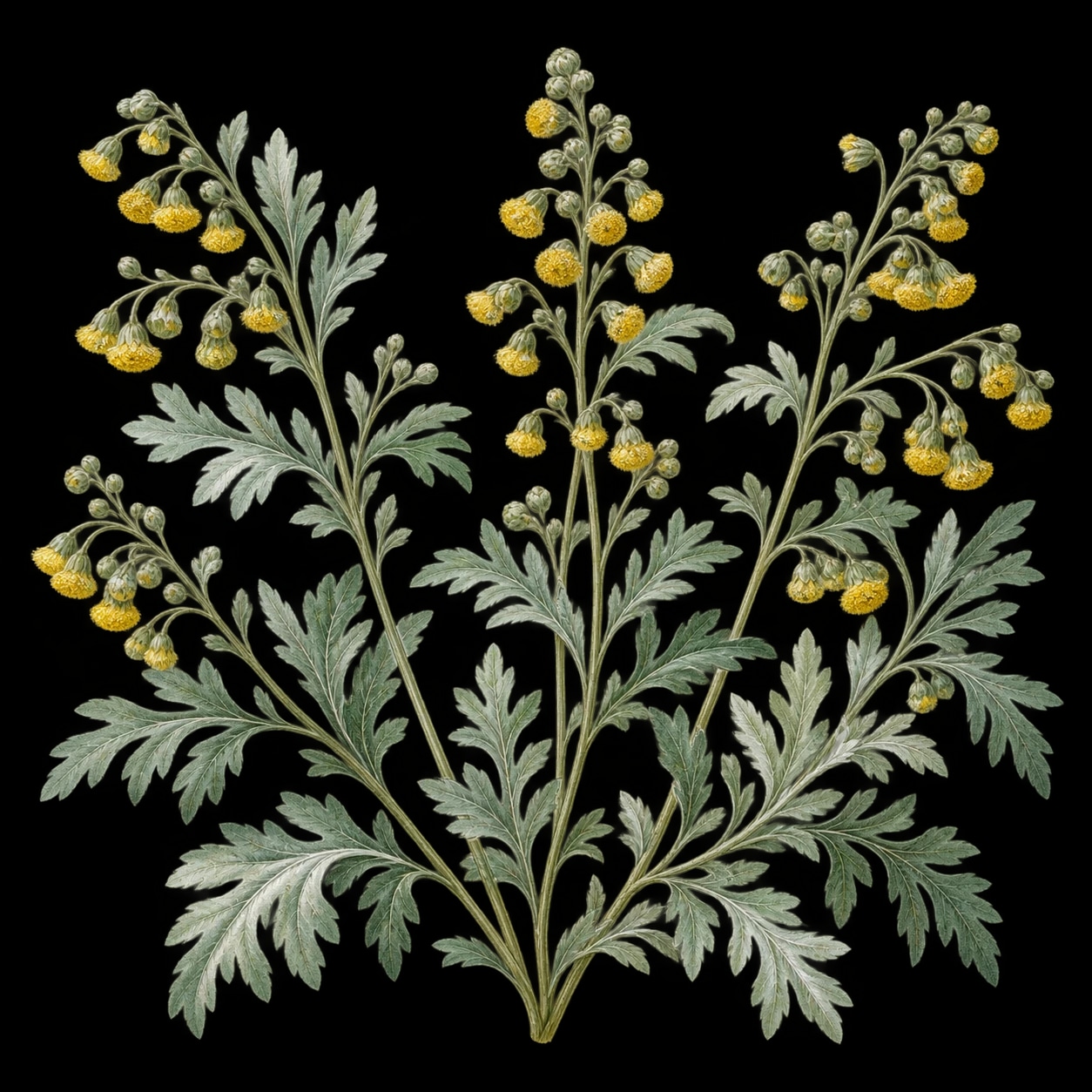
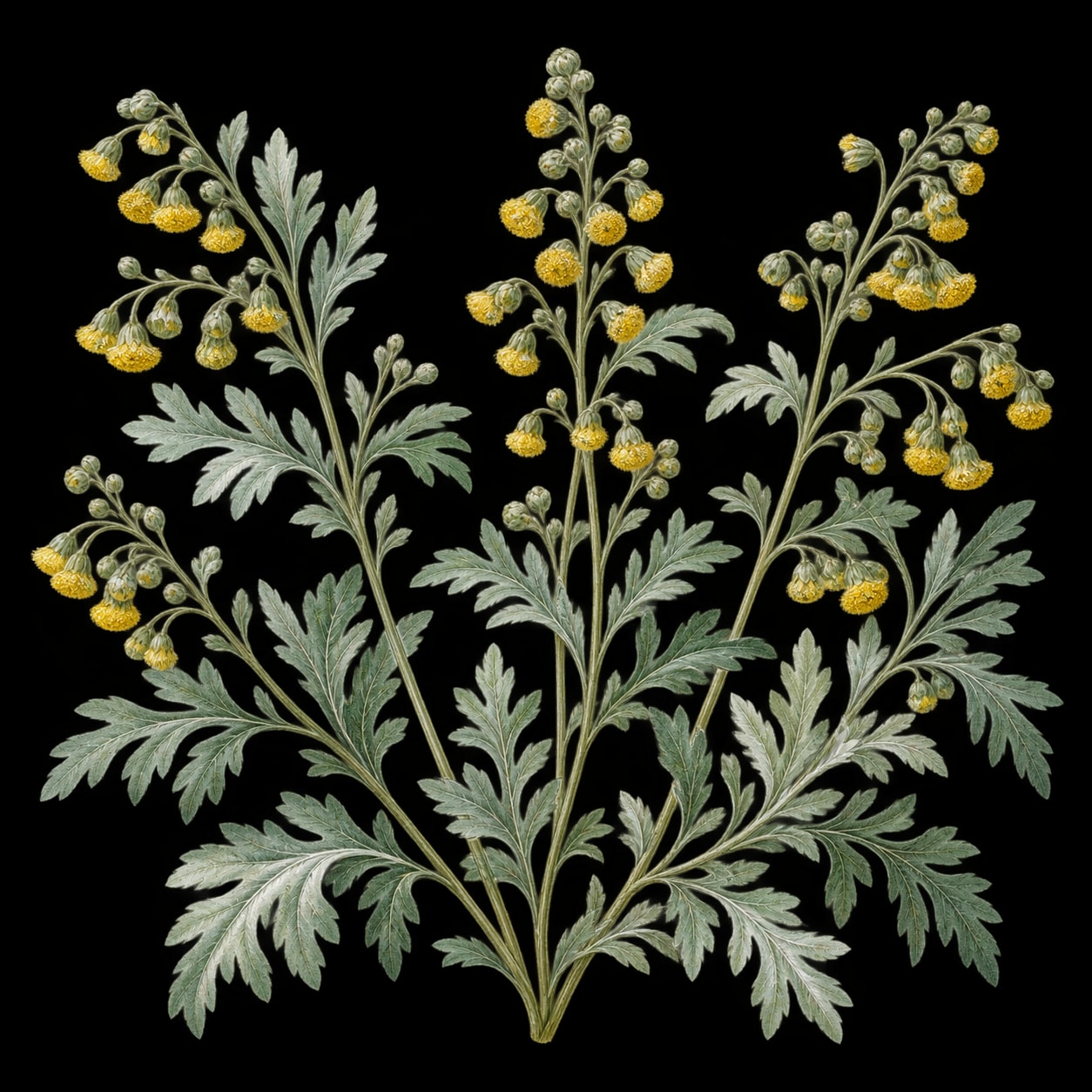
Bitter wormwood: inflammation, spasm, and expressive herbal potency
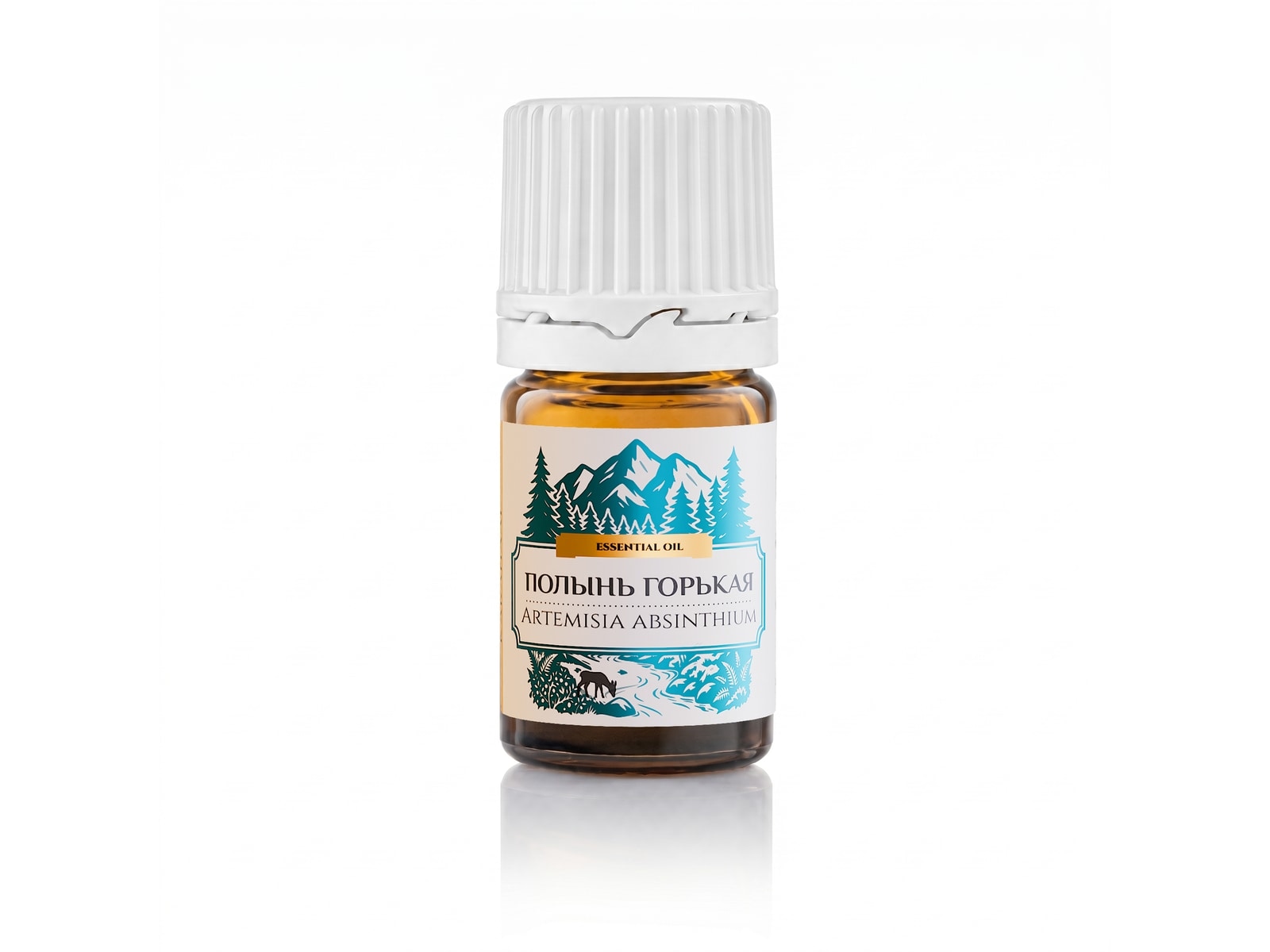
Bitter wormwood provides a complex aroma: a sharp herbal bitterness gradually reveals fruity and dry balsamic notes. In aromatherapy, it is valued for its strong character and is used in small amounts in blends for tense muscles and emotional focus.
Anti-inflammatory and analgesic properties
In an experimental study with Artemisia absinthium essential oil, a reduction in inflammatory swelling and pain responses was observed. The Algerian sample contained a notable amount of thujones. The study focuses on the biological activity of a specific chemical profile of the oil. [1]
In traditional aromatherapy, wormwood is regarded for its spasmolytic, anti-pruritic, and anti-inflammatory properties. It is used in professionally formulated topical mixtures. For such a product, the chemical profile, precise dilution, and skin tolerance are especially important. [2]
Different wormwoods — different possibilities
Wormwood essential oil has varying chemical profiles. The presence of thujones is particularly important for determining dosage and usage limitations. Use the specific data of the oil and individually select the method of application; consultation with a specialist is required in cases of neurological disorders.
Emotional sphere
In aromatherapy, bitter herbal scents are used when feeling sluggish, stagnation, or difficulty shifting focus. Wormwood can provide a composition with clarity and a dry, crisp note. A small aromatic sample is recommended: for some, its bitterness helps focus, while for others it may be too intense. Lavender rounds out the profile; coniferous oils emphasize coolness, citrus notes add a fruity dimension.
For home collections, this is a distinctive specialized material, not a universal substitute for lavender in any mixture.
Blending suggestions
Lavender softens the bitter greenness, fir emphasizes freshness, cedar adds a dry woody base. The ratio selection — taking into account the specific composition of the oil.
Research in detail
Inflammation and pain responses in the experiment
In an experimental study on Algerian wormwood essential oil, chemical analysis was combined with assessment of inflammatory and pain responses. The researchers observed a reduction in swelling and sensitivity. The studied sample contained a significant amount of thujones; their content is considered when formulating topical products. [1]
How to use
Examples for adults. Quantities are given for the entire bottle; for one application, take a small portion of the mixture. These are aromatic therapy routines, not medicinal dosages.
- Material for individually tailored professional blends. Do not apply concentrate to skin, mucous membranes, or damaged areas; do not ingest. No home therapeutic regimen is recommended with this product.
Precautions
Because it may contain thujone, wormwood oil requires professional selection of its use. Do not ingest; do not use in homemade therapeutic blends, during pregnancy or breastfeeding, in cases of epilepsy or for children. Do not apply the concentrate to skin or mucous membranes.
What to combine with this care
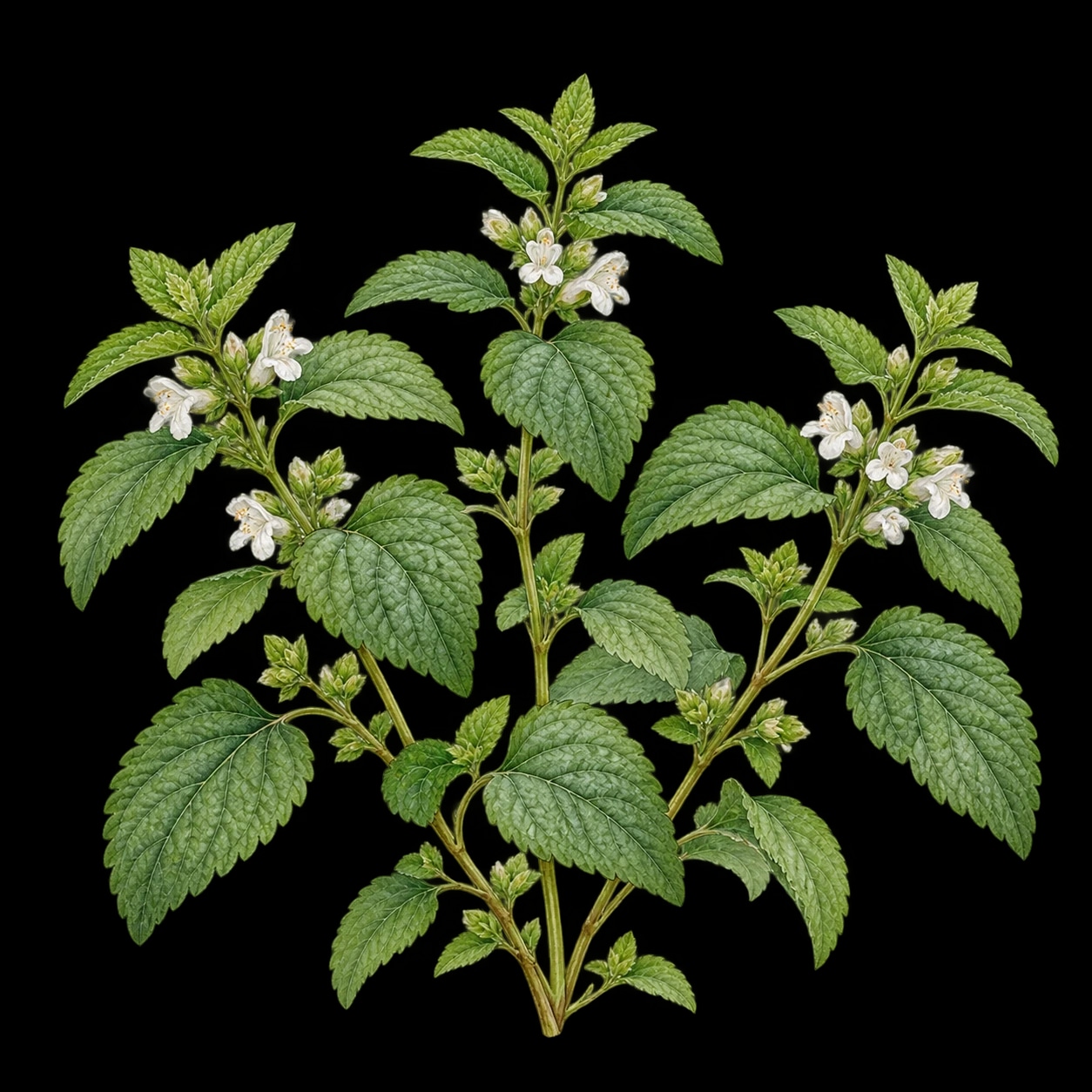
- “Provence” lavender essential oil — Aromatic combination
Sources
- Chemical profile and biological activity of Algerian essential oil Artemisia absinthium. 2023.
- Catalog KARAHAAL: Artemisia absinthium, p. 39–41.