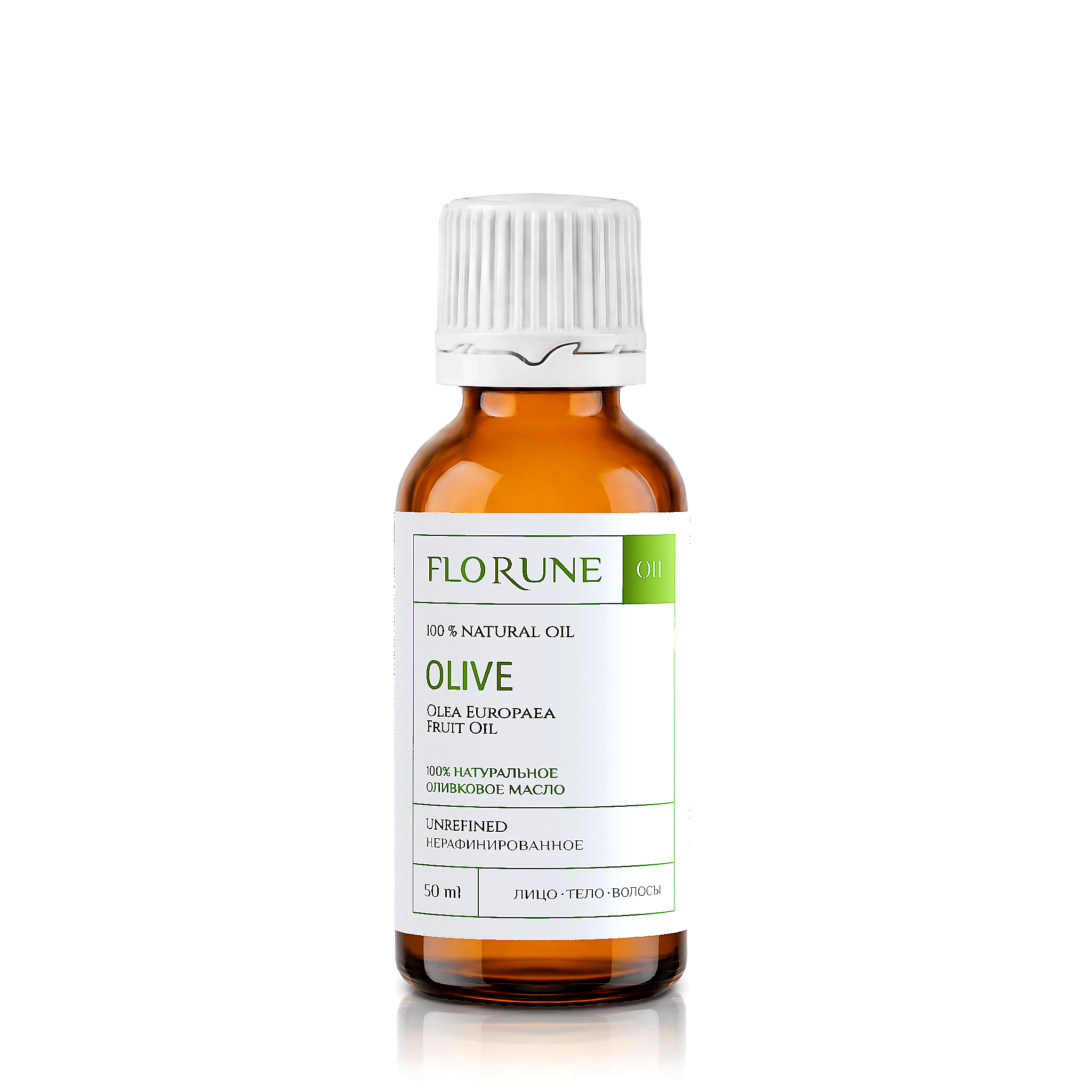
Olive oil: rich massage and mindful choice for the skin
Olive base provides long-lasting slip and a strong lipid care sensation. It is convenient for massage of hands and body if the skin tolerates this dense texture. For a lighter blend, jojoba or almond oil can be added.
The role of oleic profile
Olive carrier oil is dominated by lipids containing oleic acid. These help the oil spread evenly and soften the skin surface. A saturated texture is selected according to skin condition, especially in cases of sensitivity or a damaged protective barrier.
What did the barrier study show
In two small studies involving 19 adults, repeated application of olive carrier oil worsened certain indicators of corneal integrity and caused mild redness. These results are particularly significant for reactive and atopic skin: olive base should not be considered a universal restorative agent or the first choice for infant massage. [1]
Where it is appropriate
With good tolerance, the oil can be used in small amounts for massage on intact body skin. It is advisable to start with a limited area and assess sensations after the procedure, not just during application. If tightness, itching, or redness occurs, a different base is selected.
Blending suggestions
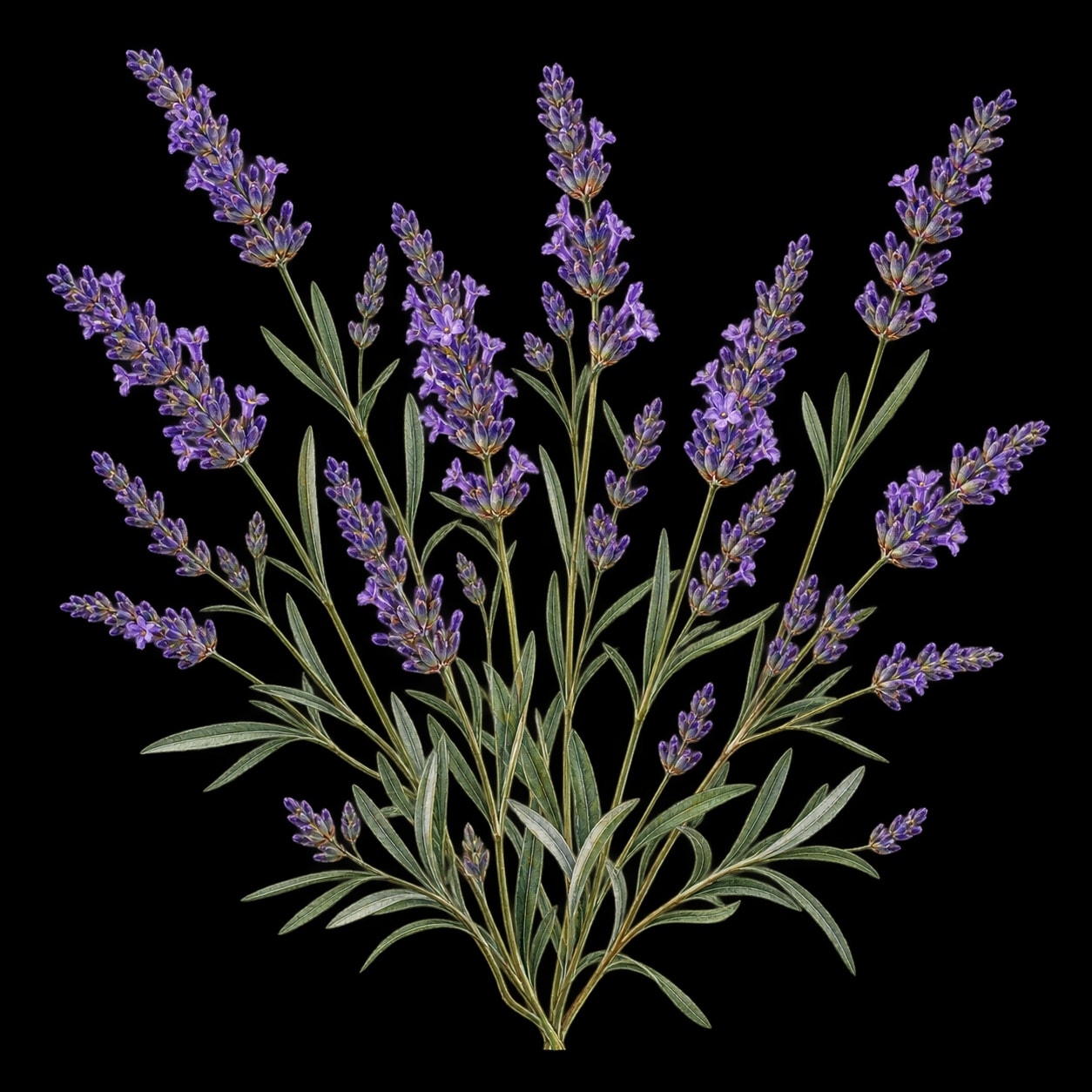
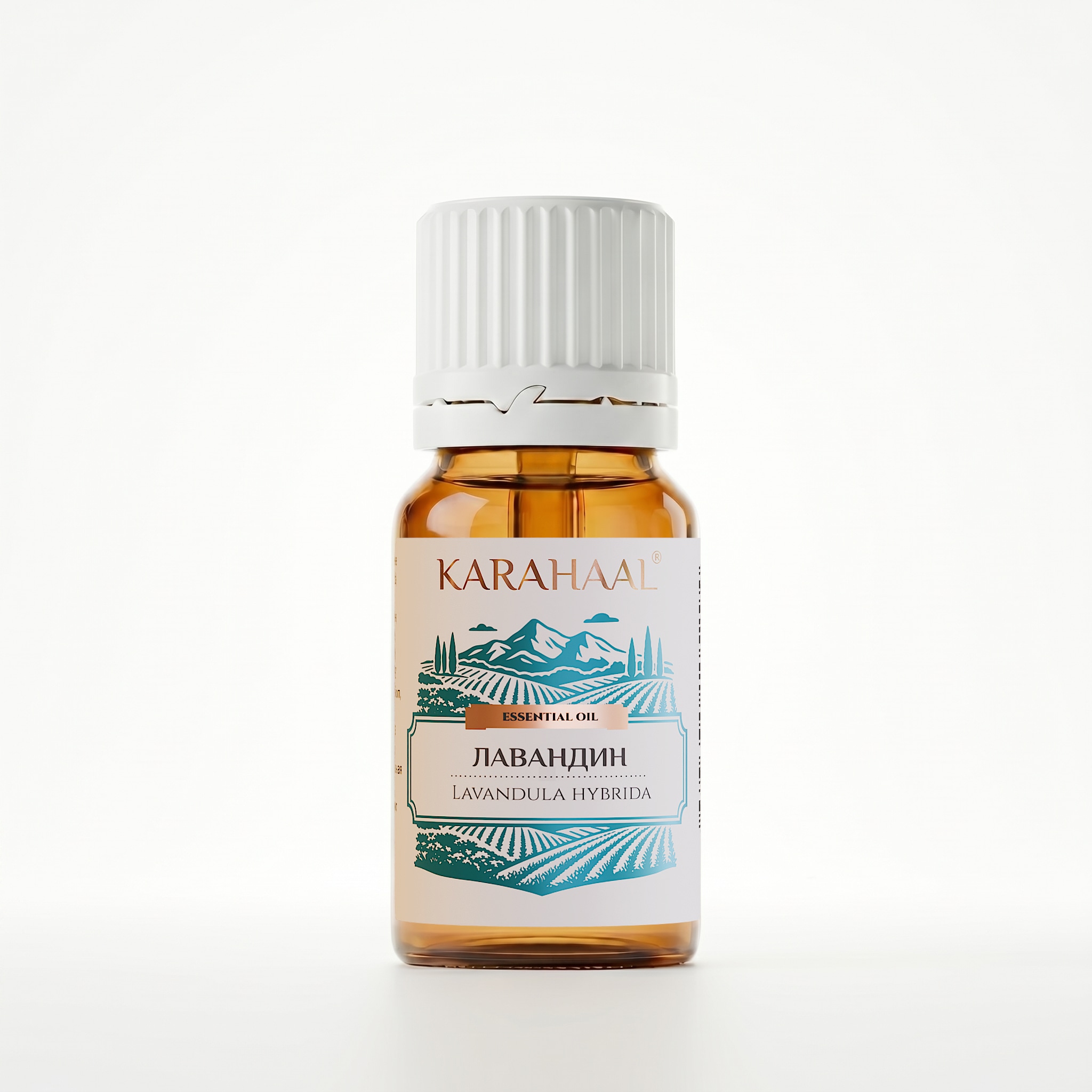
Lavender softens the plantaceous character, coniferous oils create a fresher composition. If a neutral care approach is desired, olive base can be used without essential oil additives. For home use, skin comfort is more important than recipe complexity.
Blending suggestions
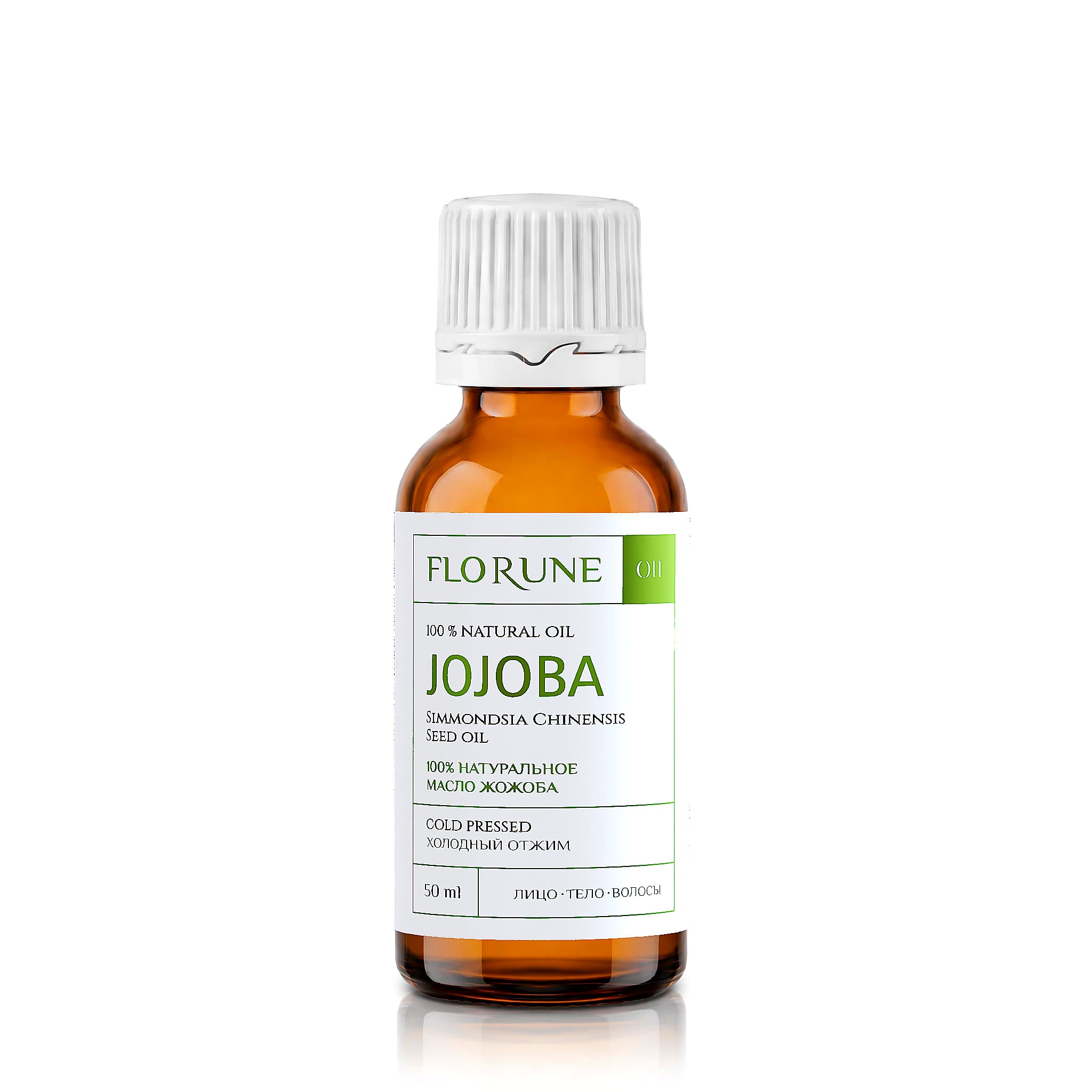
Almond facilitates massage distribution; jojoba changes the base feel; lavender adds a soft herbal aroma.
Research in detail
Study of the skin barrier in adults
In two small studies involving 19 adults, including individuals with a history of atopic dermatitis, repeated application of olive carrier oil worsened certain indicators of corneal integrity and caused mild redness; for the comparable sunflower oil, the results were different. The study explains why natural bases should be selected based on skin condition. It is especially relevant when discussing reactive and atopic skin, for which olive oil should not be recommended as a universal solution. [1]
How to use
Examples for adults. Volumes in mixture recipes are specified for the entire bottle; a small portion is taken per application. Drops serve as an approximate household measure.
- Local care: apply a small amount to undamaged skin of hands or body, and first assess tolerance.
- Massage base: olive oil — 5 ml, almond oil — 10 ml. Mix in a dry bottle and use a small portion on the body if both bases are well tolerated.
Precautions
For atopic dermatitis, a damaged skin barrier or significant irritation, discuss the choice of oil with a dermatologist. For infant skin, use products specifically intended for babies. Stop use if itching or redness occurs.
What to combine with this care
- Jojoba oil — For a mixture of two carriers from the application block