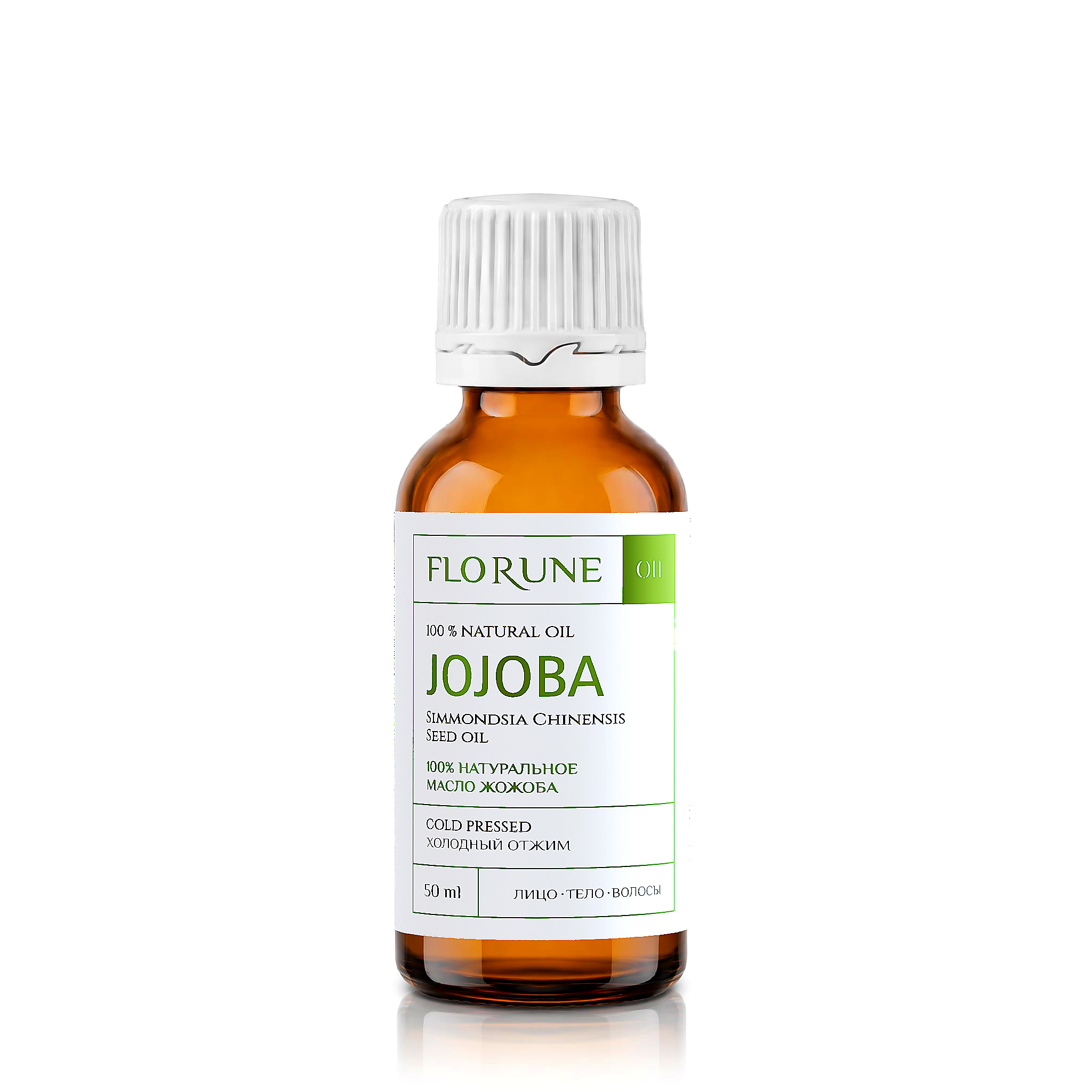
Jojoba: skin softness and healing potential of liquid wax
Jojoba differs from most carrier oils: chemically, it is primarily a liquid wax. It spreads easily in a thin layer and is suitable for dry areas, cuticles, massage blends, and personal aromas.
Cosmetic action
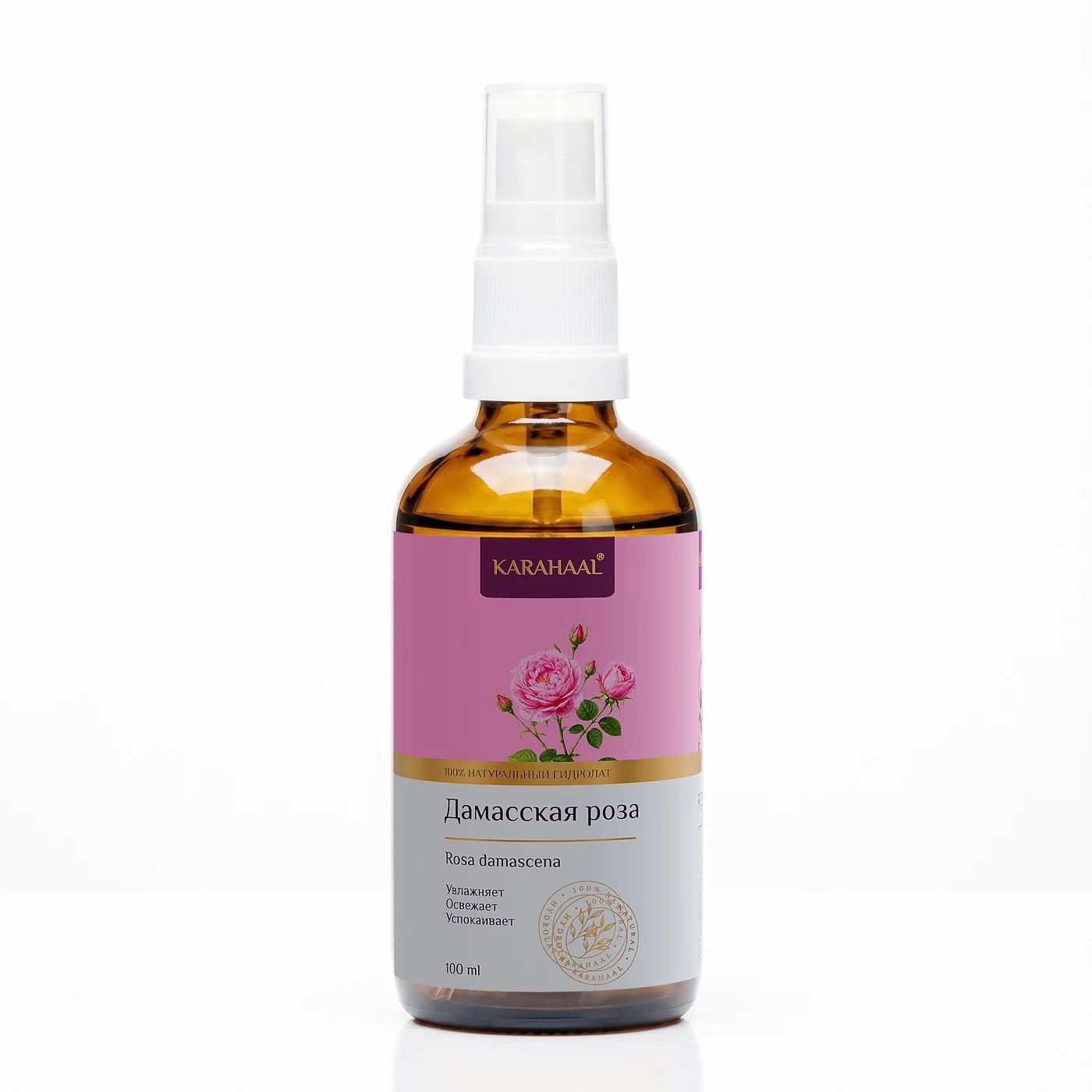
Waxy esters form a smoothing layer and help make the skin feel smoother to the touch. Jojoba is especially convenient to use after a hydrosol or another aqueous product. For a small area, often just one drop, carefully distributed with fingers, is sufficient.
Anti-inflammatory potential
In experimental models, jojoba reduced swelling, inflammatory cell activity, and several mediators, including prostaglandin E2 and TNF-α. These results reveal the biological interest of the base, which is often perceived merely as a carrier for essential oils. [1]
Cellular layer restoration
In a laboratory experiment, liquid jojoba wax accelerated the closure of an artificial gap in keratinocyte and fibroblast layers. Researchers linked the response to cell migration and signaling pathways; they also observed increased synthesis of type I collagen. The study reveals the restorative potential of jojoba for cosmetic formulations. In at-home skincare, the oil is used on undamaged skin. [2]
In aromatherapy
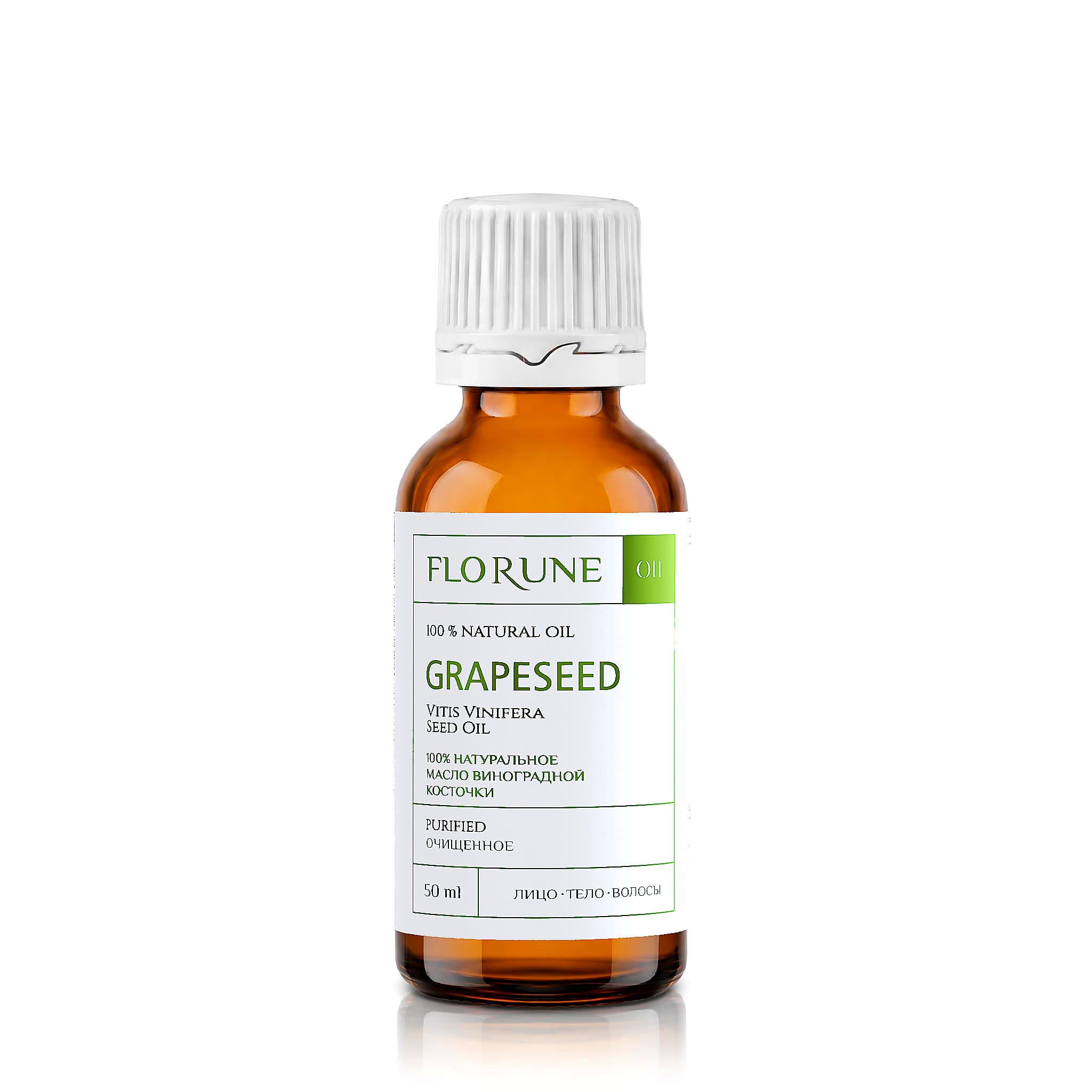
Jojoba works well in small blends with lavender, marjoram, fir and woody oils. Its subtle scent does not overpower the aromatic ingredients. Almond or grapeseed oil can be added for a more fluid massage glide.
Blending suggestions
Almond — for massage; macadamia — for richer skincare; grape seed — for smoothness; lavender — for a calming aromatic accent.
Research in detail
Skin cells and restoration of the monolayer
In a laboratory model, liquid jojoba wax accelerated the closure of an artificial gap in keratinocyte and fibroblast layers. Researchers studied cell migration, signaling pathways, and collagen synthesis. This explains the interest in restorative cosmetic formulations, but is not a clinical trial of household oil application for wound healing. [2]
Anti-inflammatory direction
In several experimental models, jojoba reduced specific swelling, inflammatory cell migration, and inflammatory mediator formation. The authors emphasized the need for further identification of active components. The study shows that carrier oil may be a biologically interesting material, maintaining the distinction between experiment and confirmed treatment in humans. [1]
How to use
Examples for adults. Volumes in mixture recipes are specified for the entire bottle; a small portion is taken per application. Drops serve as an approximate household measure.
- Cuticle and dry areas: apply 1 drop to several small areas of undamaged skin.
- After hydrosol: apply a small amount of water-based lotion, then 1–2 drops of jojoba thinly on the selected body area.
- Shoulder massage: 1 drop of lavender leaf oil + 1 drop of marjoram per 20 ml of jojoba. Mix; use a small portion of the prepared blend.
Precautions
For external care of intact skin. Stop use if irritation occurs. Do not use rancid oil; protect from light and heat. When adding essential oils, consider the restrictions for each ingredient.
Frequently Asked Questions
Why is jojoba called liquid wax?
The base consists of wax esters, not ordinary triglycerides. This characteristic affects the texture and makes jojoba ideal for small oil-based fragrances.
What to combine with this care
- Grape seed oil — For a mixture of two carriers from the application block