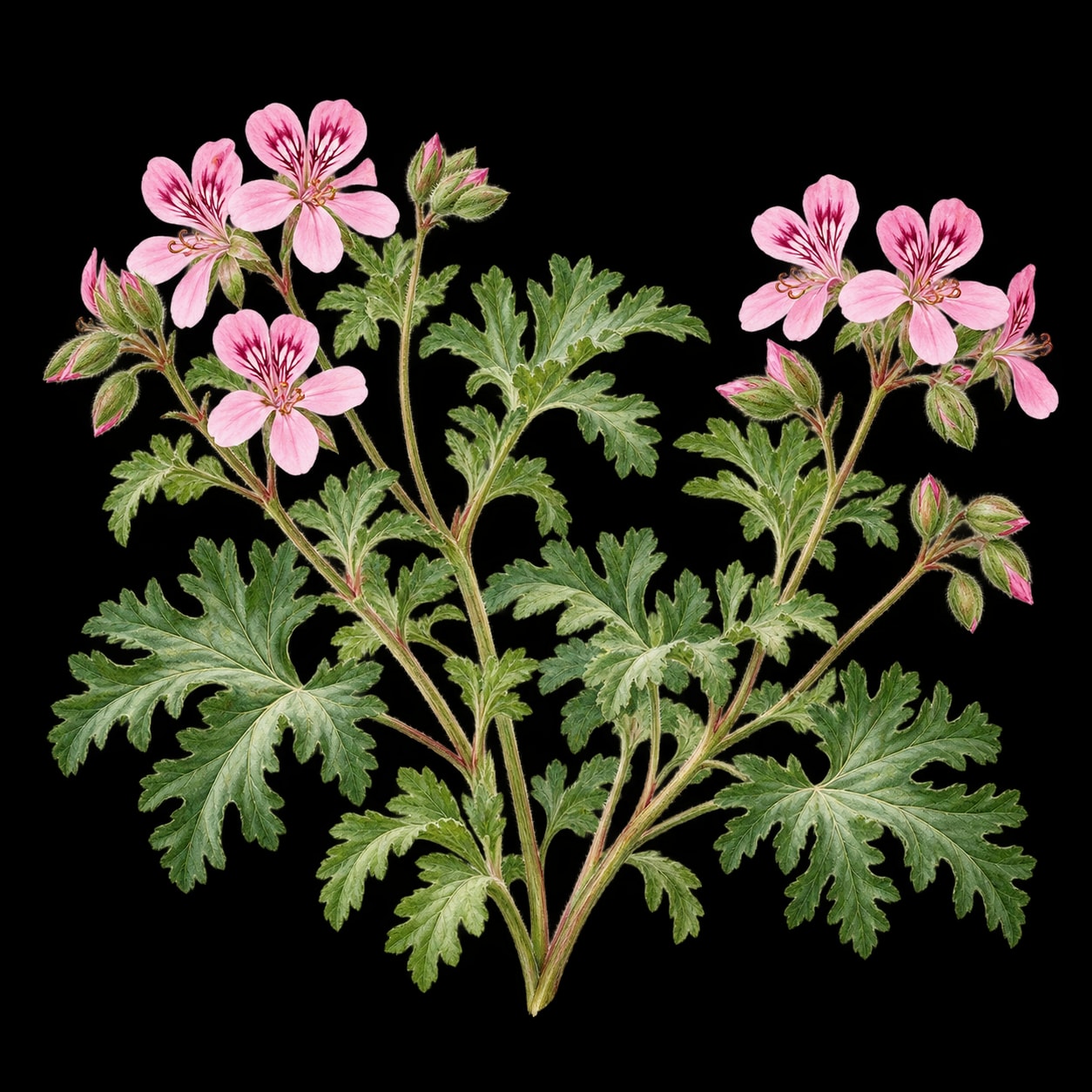
Rose geranium: anxiety, tension, and skin care
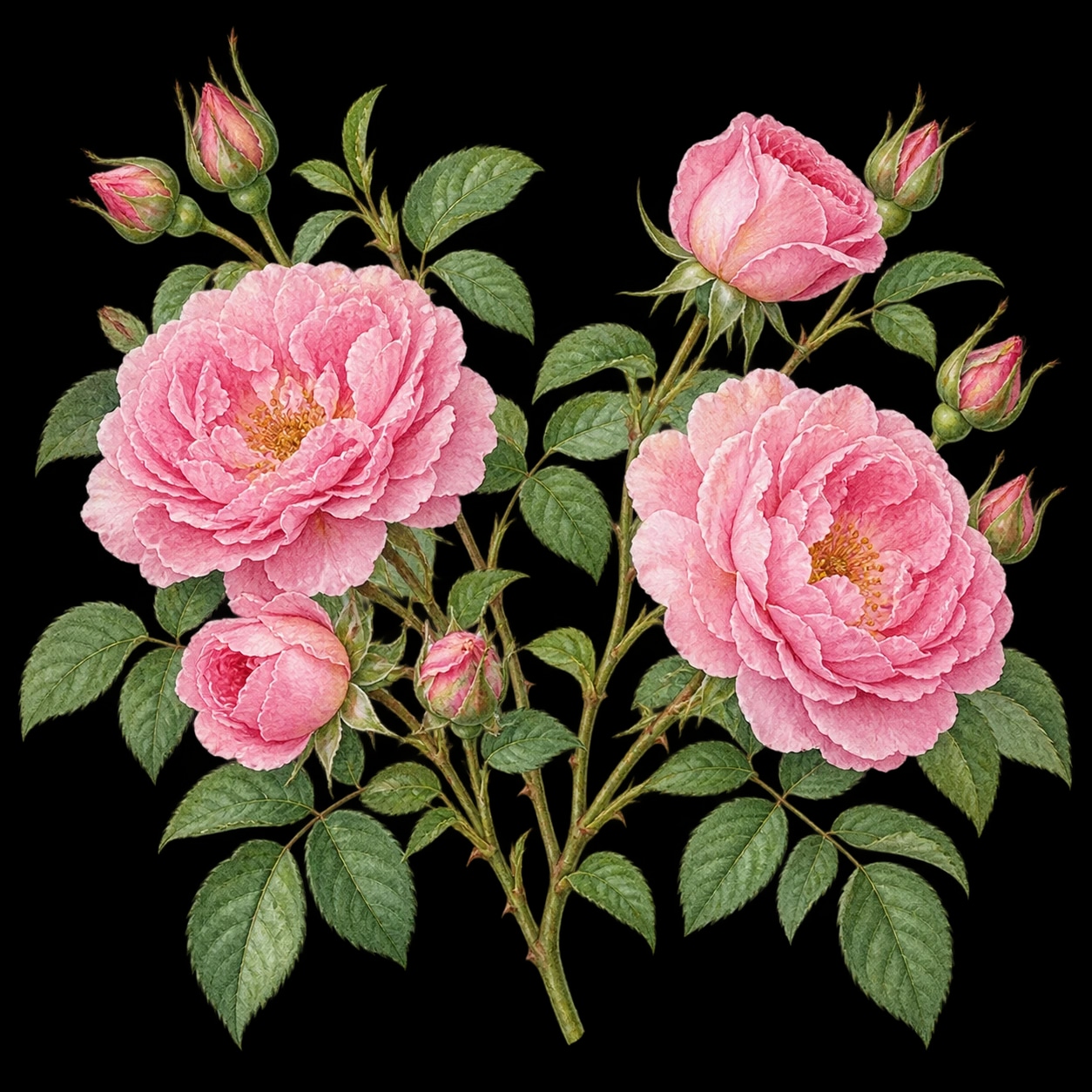
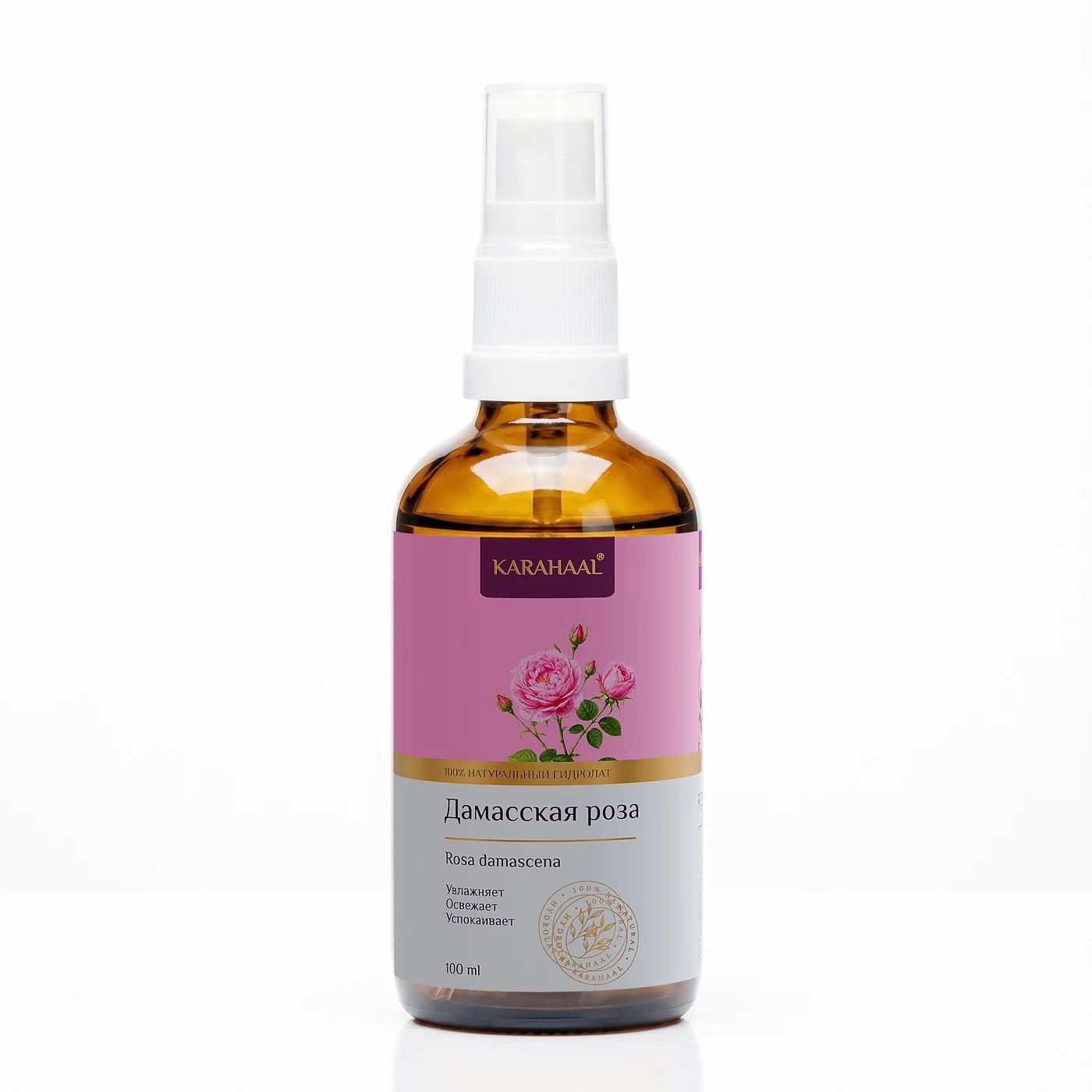
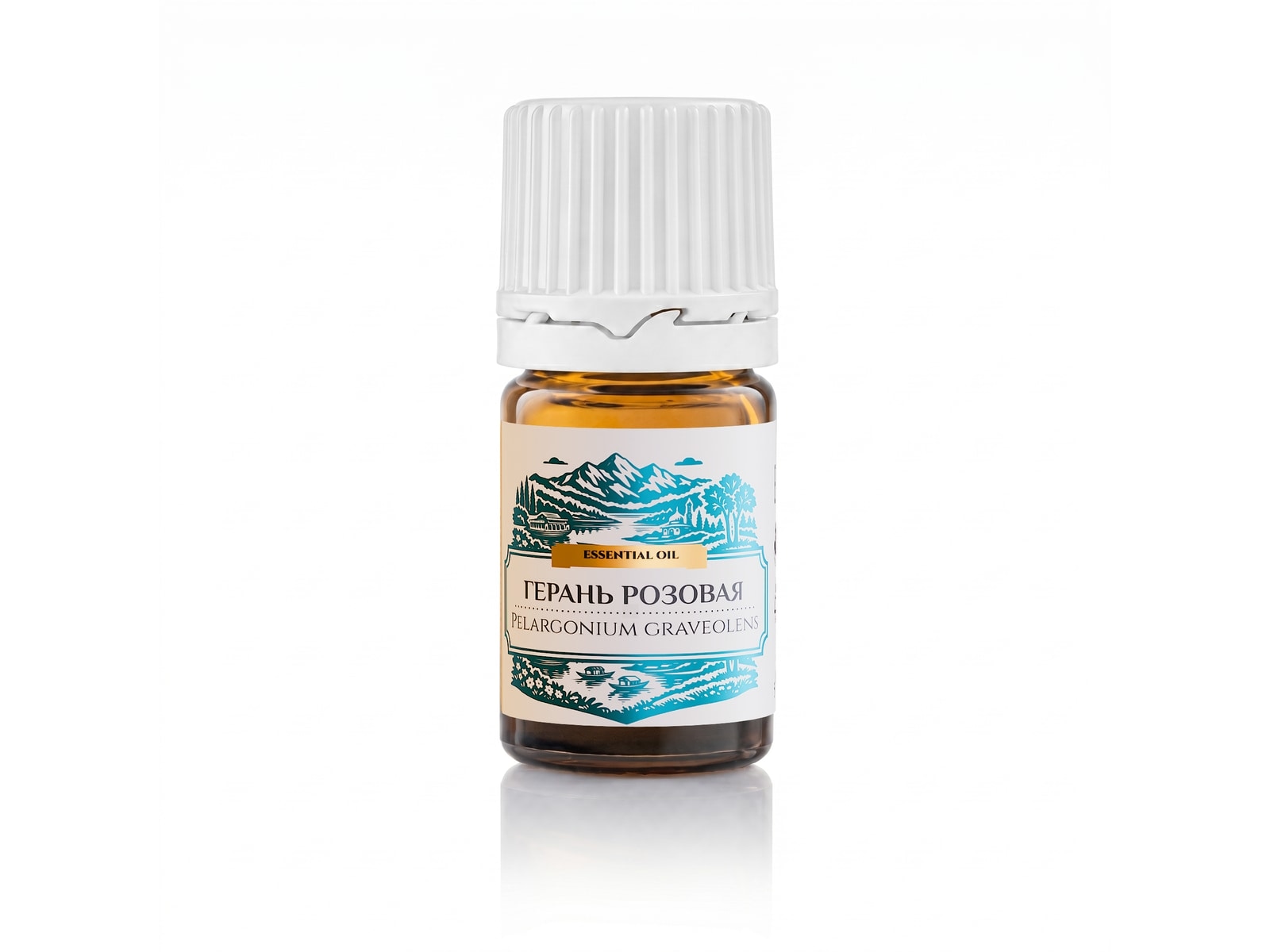
Rose geranium is chosen when one wants to calm down while maintaining clarity and lightness. Its scent is softer than heavy balsamic oils, yet deeper than simple citrus: rose notes are surrounded by greenery, freshness, and subtle fruity hints.
Emotional support: there are data from people
In a randomized study with 100 participants, inhaling geranium essential oil during the first stage of labor was associated with reduced anxiety. The procedures were conducted in a hospital setting with physiological parameters monitored. Aromatherapy during pregnancy and childbirth should be coordinated with a medical professional. [1]
In everyday aromatherapy, geranium is included in blends for irritability, emotional overload, and difficulty switching off after work. It can be used in small amounts in hand or shoulder massage oils. If a strong floral scent becomes fatiguing, citrus and cypress make the composition lighter and drier.
Skin and massage
Rose geranium is traditionally included in cosmetic aromatic blends for combination skin, where some areas tend to dry out and others become oily. The base is selected according to skin needs, and the essential oil is added in a well-calculated dilution. The green-rosé aroma makes the care routine more expressive.
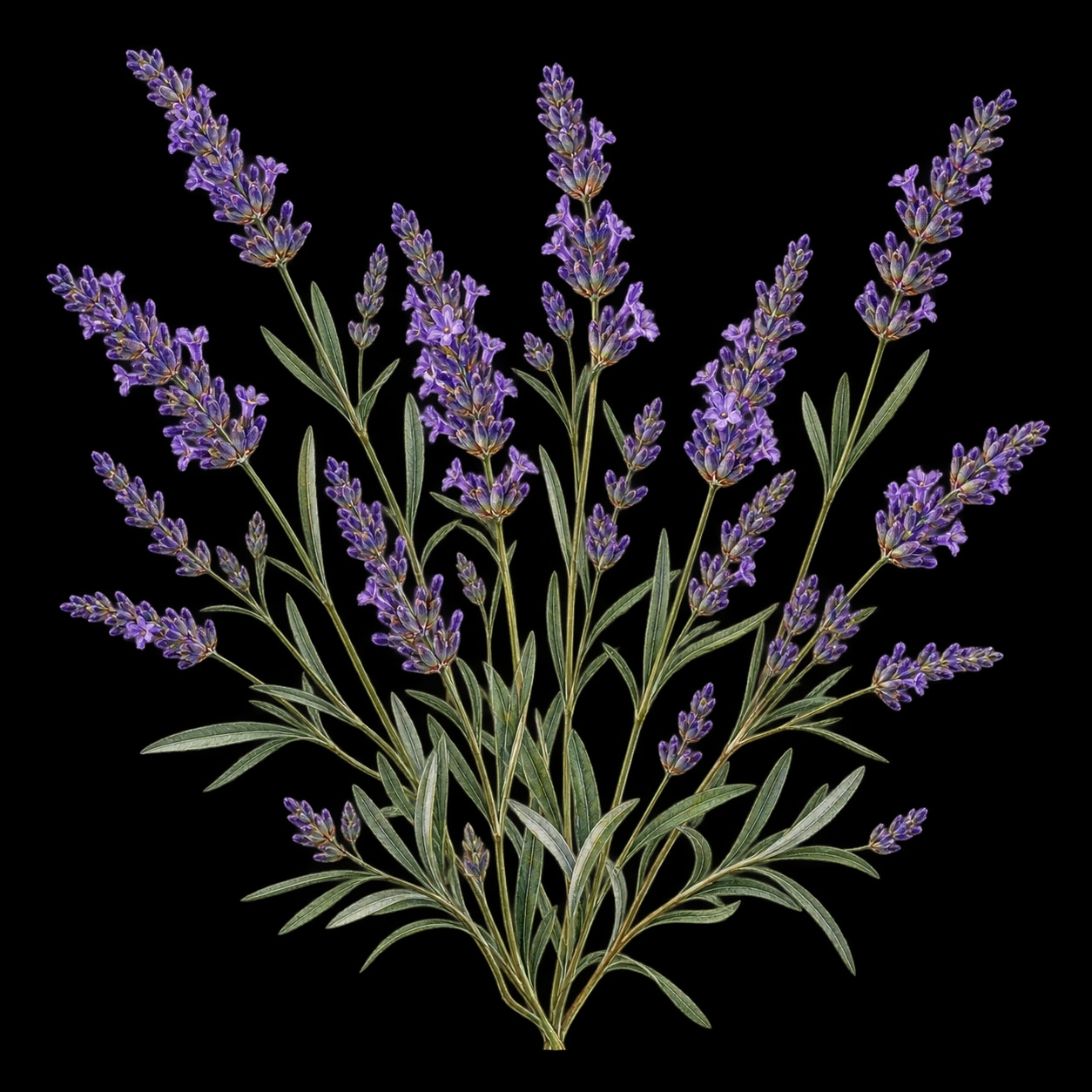
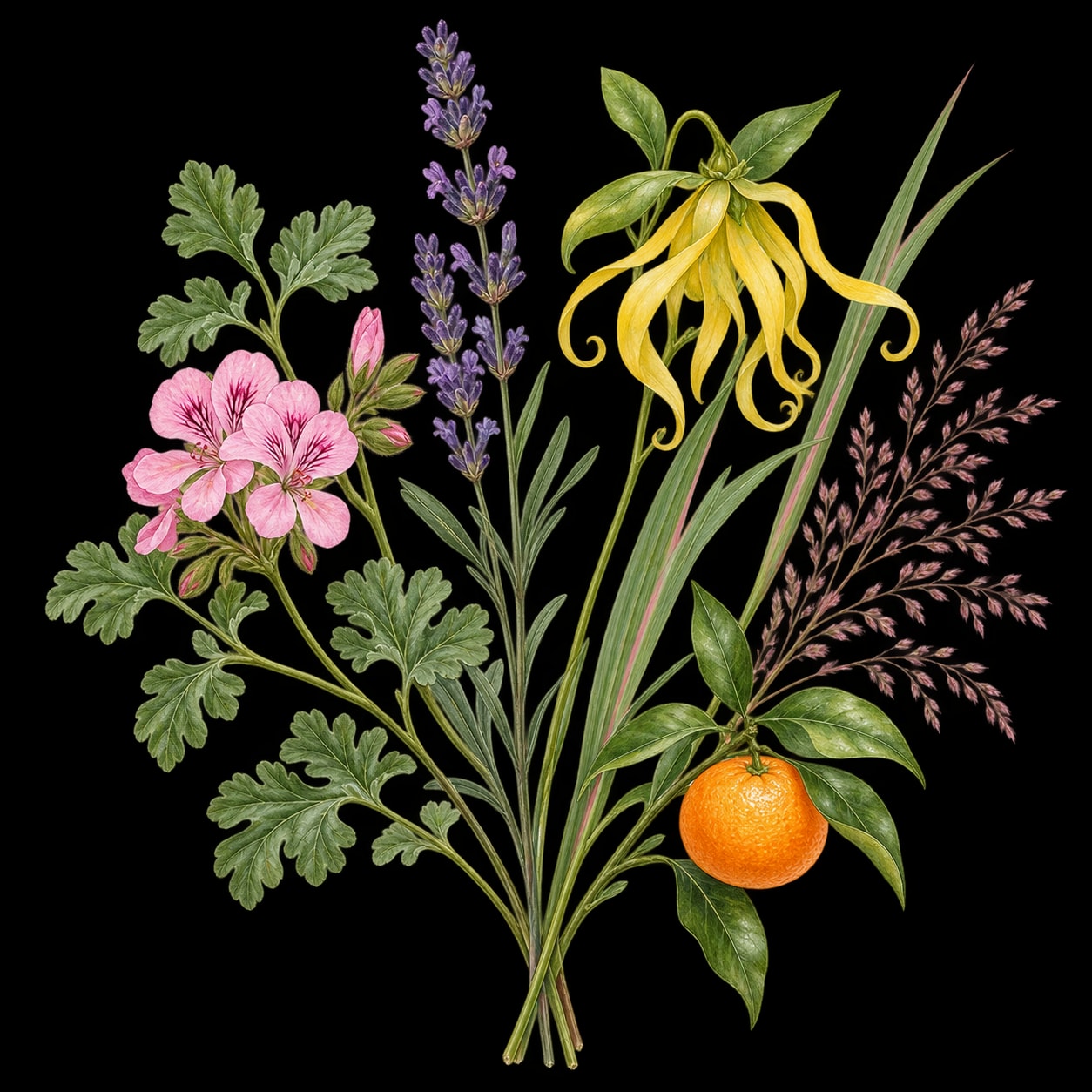
For massage, geranium works well as the floral heart of a blend: it connects fresh top notes with the woody base and requires few drops. Pair it with lavender in evening blends, or with mandarin and cypress for daytime use.
Women's aromatherapy
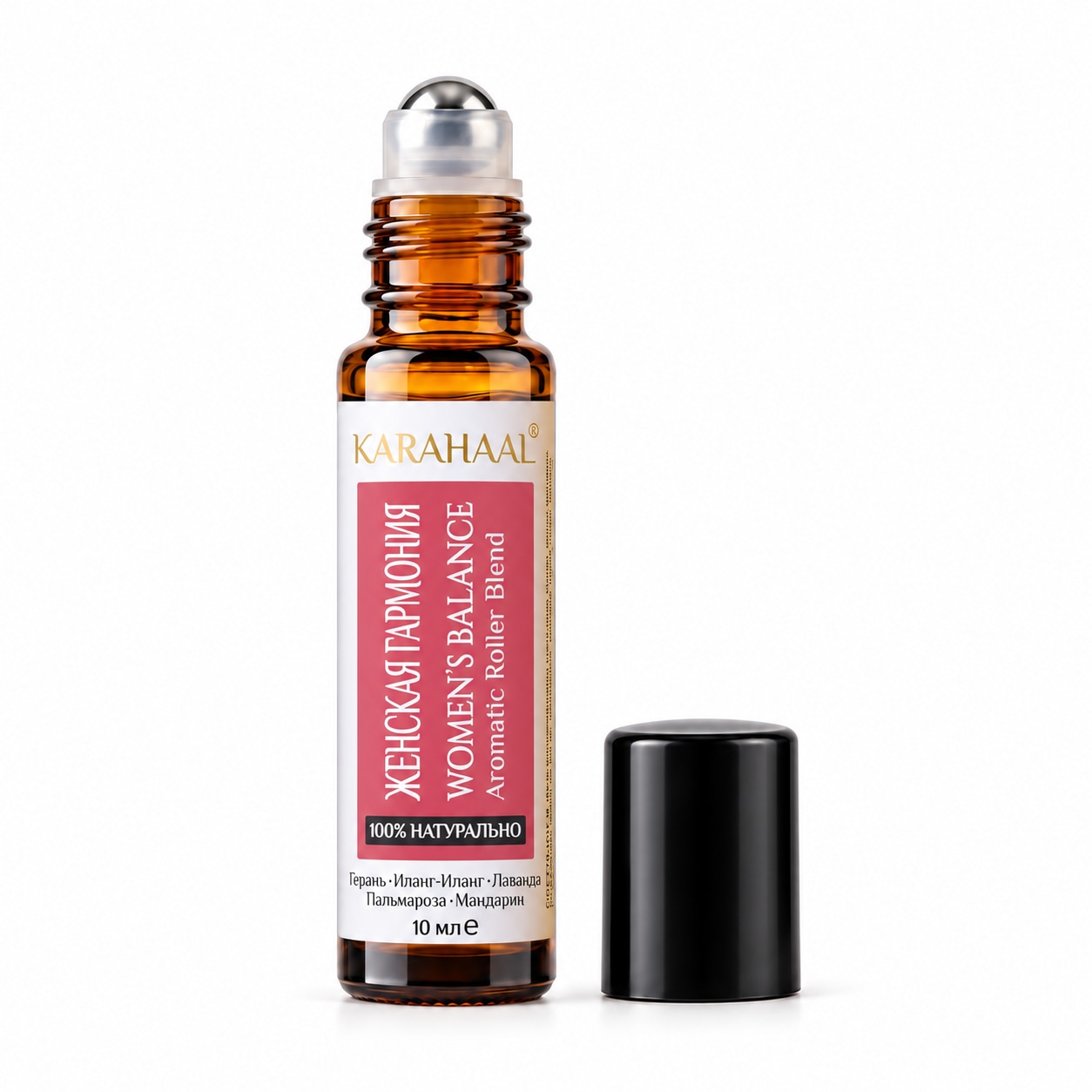
Rose geranium is often selected for supportive care during periods of emotional fluctuations. This is a clear approach to managing well-being and stress. Assigning it a role in correcting estrogen levels based on studies of anxiety would be incorrect: hormones were not a confirmed site of action in this context.
Blending suggestions
Lavender softens the floral tone, palmarosa enhances the rose accent, mandarin adds lightness. Cypress and patchouli help make the sweet composition drier.
Research in detail
The scent of geranium and anxiety: 100 participants
In a randomized study of first-time mothers, inhaling geranium essential oil was compared to a control procedure during the first stage of labor. The authors observed reduced anxiety and changes in diastolic blood pressure. The procedures took place in a hospital setting; the use of aromas during pregnancy and childbirth requires individual medical consultation. [1]
How to use
Examples for adults. Quantities are given for the entire bottle; for one application, take a small portion of the mixture. These are aromatic therapy routines, not medicinal dosages.
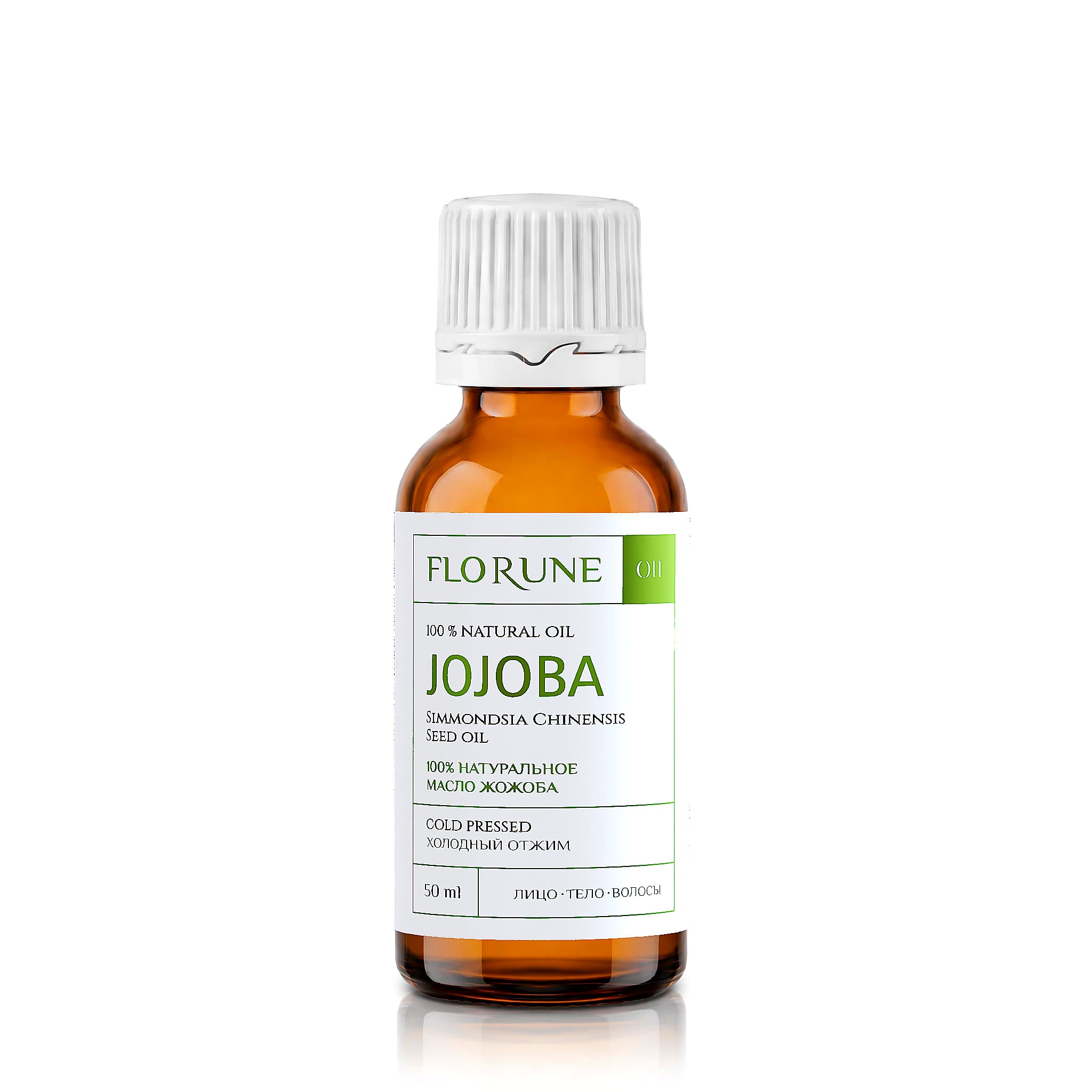
- Simple blend for local massage: 1 drop of rose geranium oil in 10 ml of jojoba. Mix in a clean bottle. Apply a small amount of the prepared blend to the shoulders or upper back and spread with gentle massage movements.
- Gentle evening blend: 1 drop of rose geranium oil + 1 drop of true lavender essential oil in 20 ml of jojoba. Mix; use a small amount to gently massage the forearms or shoulders.
- Scenting without a diffuser: 1 drop on a paper towel or aromastone. Hold at a comfortable distance from the face, without touching the skin with the oil; several ordinary breaths are sufficient to assess the scent.
- “Floral Depth” blend: rose geranium oil — 1 drop; patchouli oil — 1 drop; jojoba — 20 ml. Combine in a clean, dry bottle and mix. Use a small amount of the prepared blend to gently massage an adult’s shoulders or forearms, away from the face.
Precautions
Dilute in a carrier oil before applying to skin. Do not ingest or apply to mucous membranes; stop use if irritation occurs.
What to combine with this care
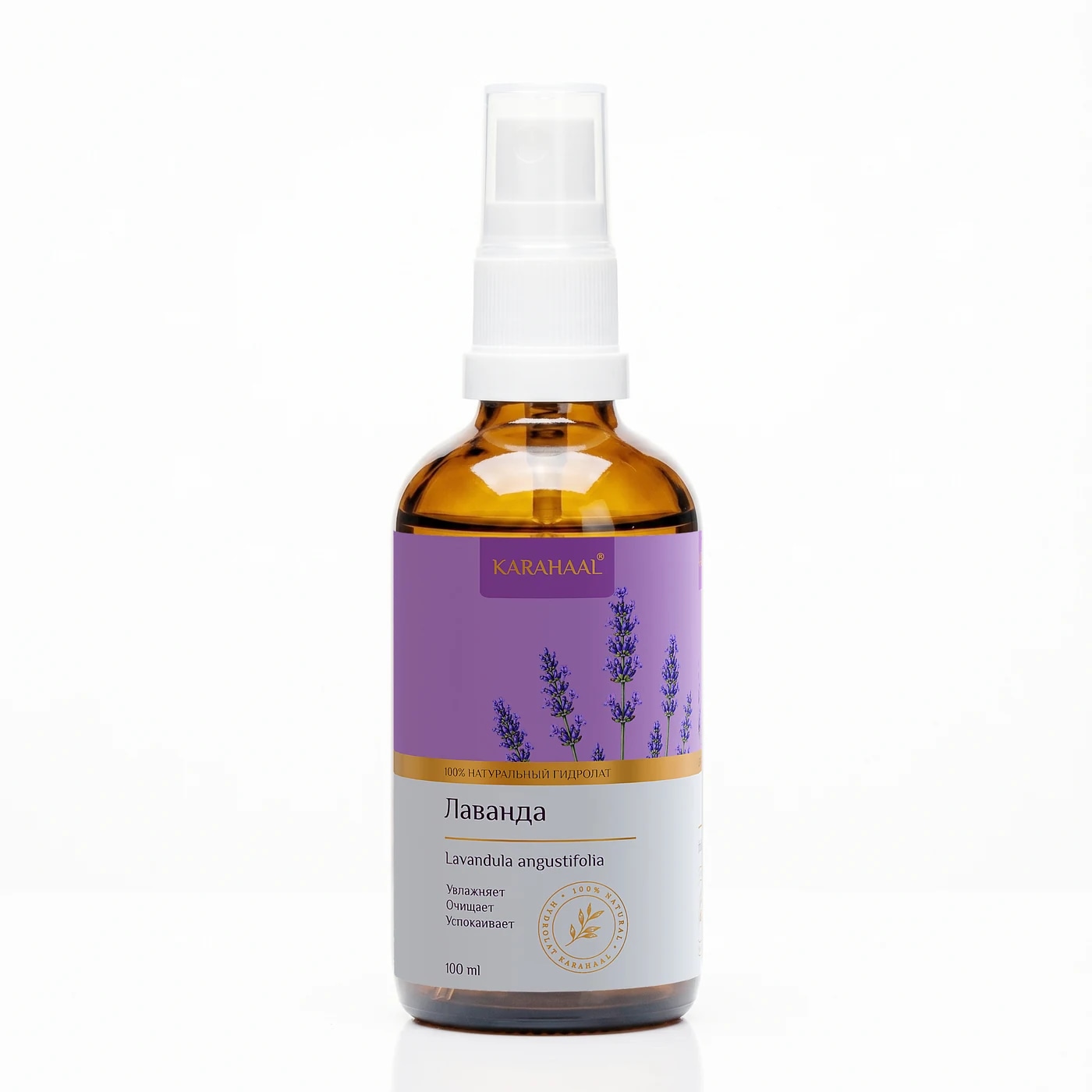
- “Provence” lavender essential oil — Aromatic combination
- Mandarin essential oil — Aromatic combination
- Essential oil of palmarosa — Aromatic combination
- Jojoba oil — Base for the oil recipes above
- Patchouli essential oil