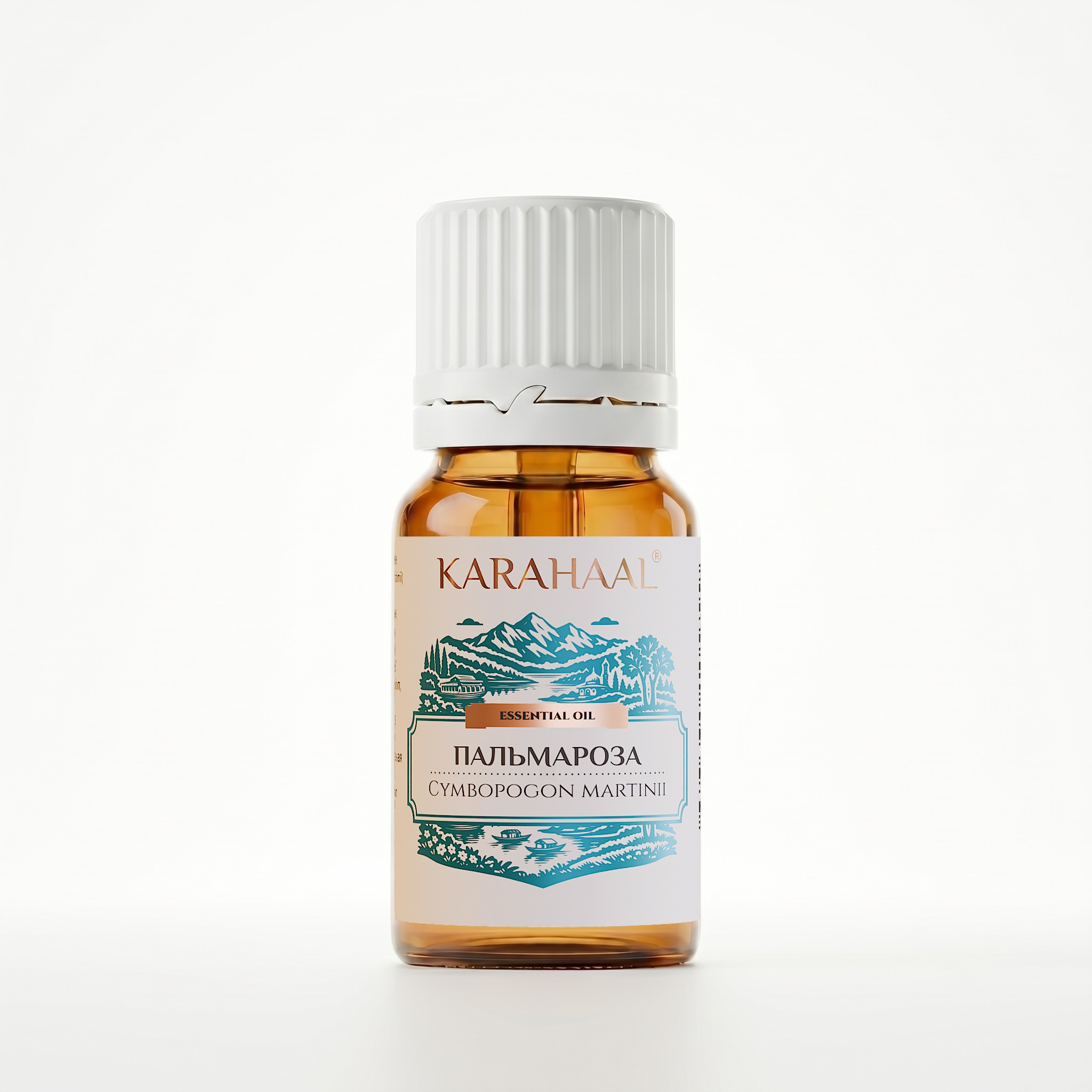
Palmarosa: skin microbiota, inflammation, and rose freshness
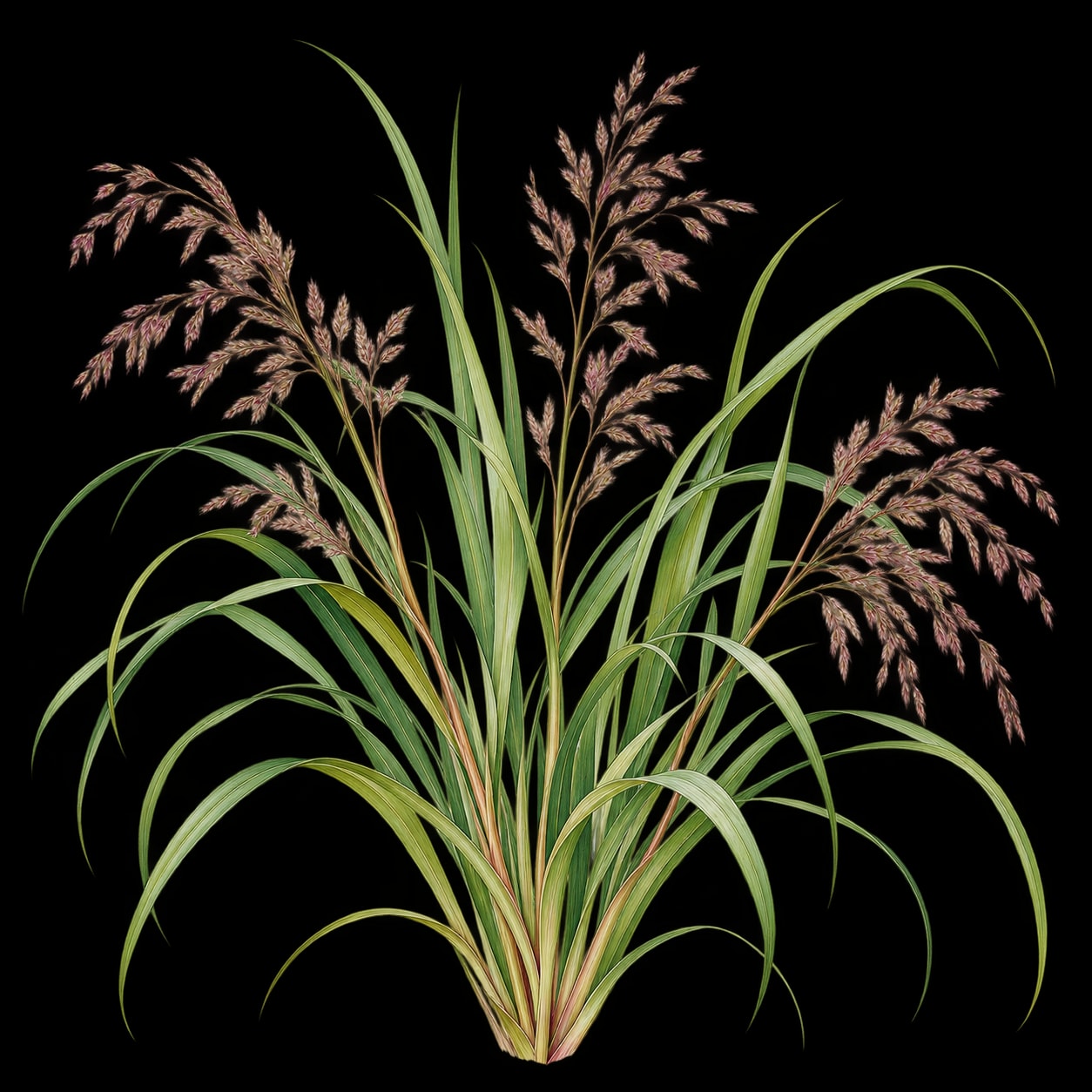
Palmarosa is suitable for aromatherapy skincare when a fresh floral profile without heavy sweetness is needed. This is an aromatic grass, but its essential oil resembles rose with a soft herbaceous surrounding.
Antimicrobial activity
In a comparative study of five essential oils, palmarosa with high geraniol content demonstrated pronounced activity against a range of microorganisms. Under the tested conditions, it was the most effective antimicrobial agent among the comparison. This is a result of laboratory tests on specific samples, useful for developing topical formulations. [1]
Inflammation and skin with imperfections
In the same study, inflammatory signals caused by an acne-associated bacterium were investigated. Oil Cymbopogon martinii reduced the secretion of TNF-α, IL-1β, and IL-8 by THP-1 cells. Therefore, interest in palmarosa for acne-prone skin care has a specific experimental basis: both microorganisms and the body's response to them are considered. [1]
Palmarosa essential oil is practically introduced into well-diluted cosmetic mixtures. Applying the concentrate directly to a inflamed area may exacerbate irritation; more oil does not necessarily mean better effect.
Deodorizing compositions
The rose-herbal scent is suitable for foot and body care products. In such a formula, compatibility with the base and skin tolerance are important; aroma does not replace hygiene or the identification of the cause of a persistent unpleasant odor.
Emotional sphere
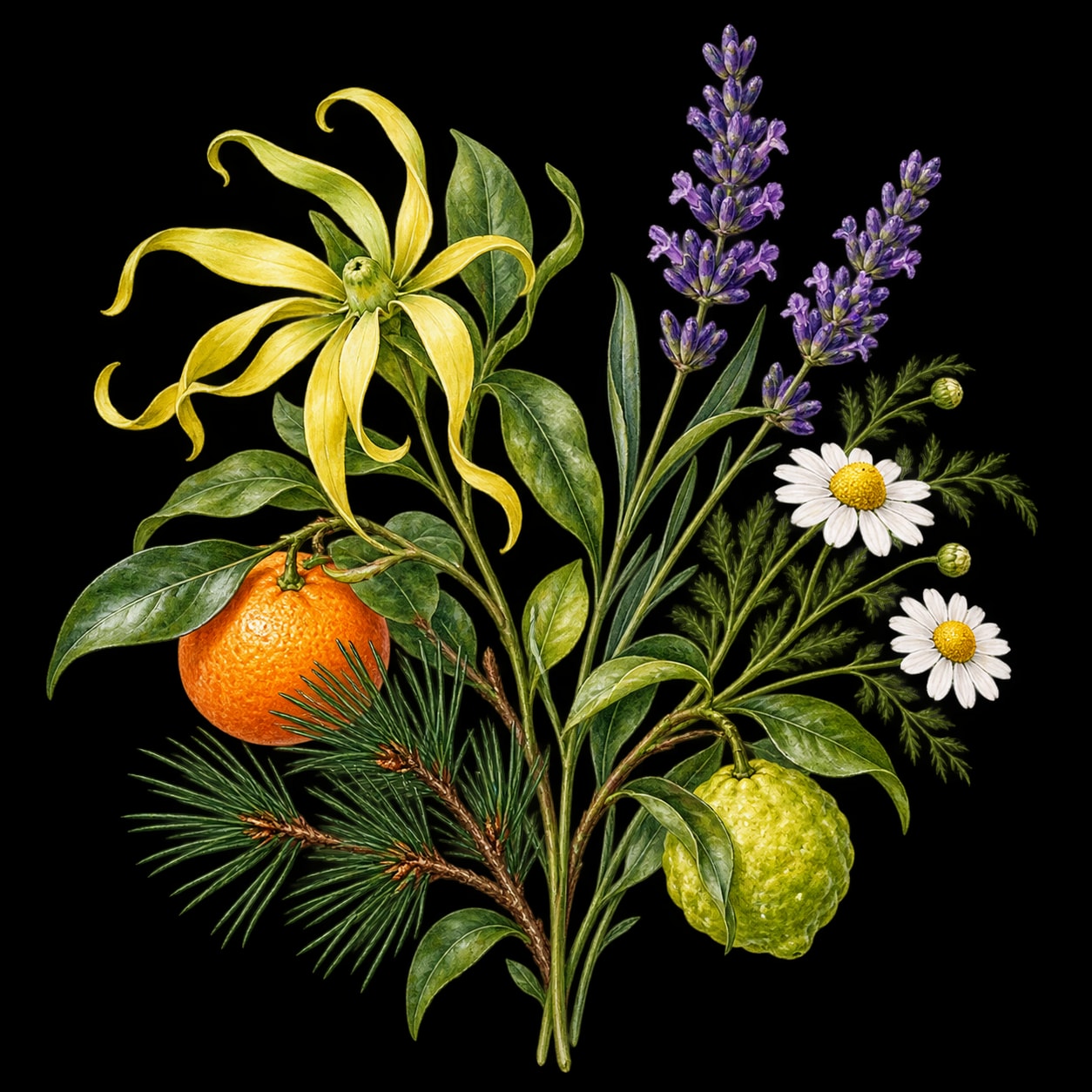
Palmarosa creates a feeling of soft freshness and pairs well with evening hand massage. Lavender makes the composition calmer, orange adds lightness, cedar reduces sweetness. Geranium enhances the rose theme, and patchouli provides a stable balsamic base.
Blending suggestions
Geranium enhances the rose center, lavender softens the herbaceous aspect. Orange adds lightness, cedar adds a dry structure, and patchouli provides a warm balsamic finish.
Research in detail
Antimicrobial activity and cytokines
Compared to five aromatic plants, the geraniol-containing oil Cymbopogon martinii demonstrated pronounced antimicrobial activity in laboratory tests. In a cell system stimulated by acne-causing bacteria, researchers also observed a reduction in the secretion of specific pro-inflammatory cytokines. The study links the chemical profile of palmarosa to specific experimental outcomes; treatment of acne with a pre-formulated formula was not tested. [1]
How to use
Examples for adults. Quantities are given for the entire bottle; for one application, take a small portion of the mixture. These are aromatic therapy routines, not medicinal dosages.
- A simple mixture for local massage: 1 drop of palmarosa essential oil per 10 ml of jojoba oil. Mix in a clean bottle. Apply a small amount of the prepared mixture to the non-injured skin of the forearm for local care.
- Fresh daytime blend: 1 drop of palmarosa oil + 1 drop of true lavender essential oil in 20 ml of jojoba. Mix; use a small amount to gently massage the forearms or shoulders.
- Scenting without a diffuser: 1 drop on a paper towel or aromastone. Hold at a comfortable distance from the face, without touching the skin with the oil; several ordinary breaths are sufficient to assess the scent.
- “Fresh Palmarosa” blend: palmarosa oil — 1 drop; tea tree oil BIO — 1 drop; jojoba — 20 ml. Combine in a clean, dry bottle and mix. Use a small amount of the prepared blend to gently massage an adult’s shoulders or forearms, away from the face.
Precautions
Dilute in a carrier oil before applying to skin. Do not ingest or apply to mucous membranes; stop use if irritation occurs.
What to combine with this care
- “Provence” lavender essential oil — Aromatic combination
- Essential oil of sweet orange — Aromatic combination
- Rose geranium essential oil — Aromatic combination
- Jojoba oil — Base for the oil recipes above
- Tea tree essential oil BIO