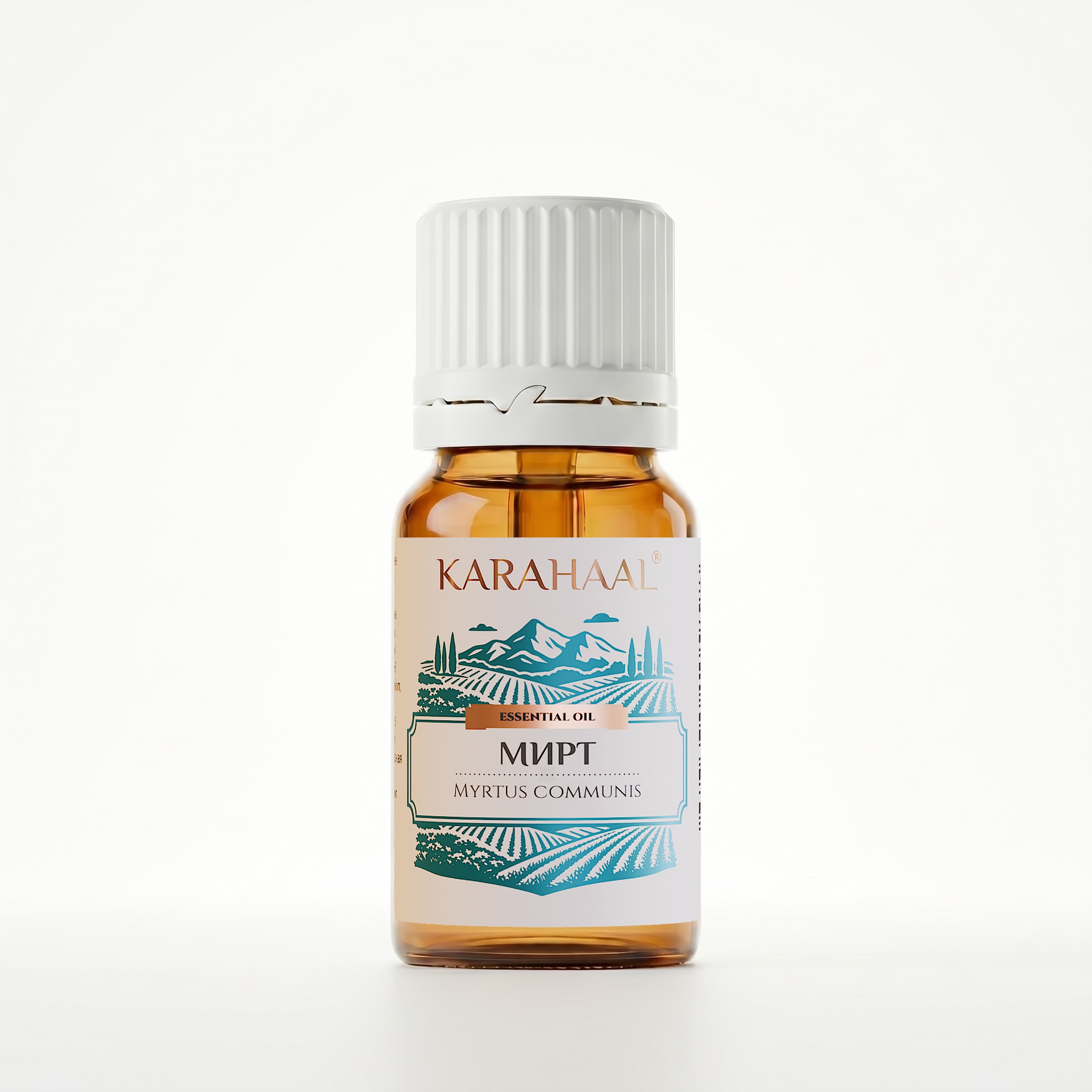
Myrtle: respiratory support, inflammation reduction, and a gentle green freshness
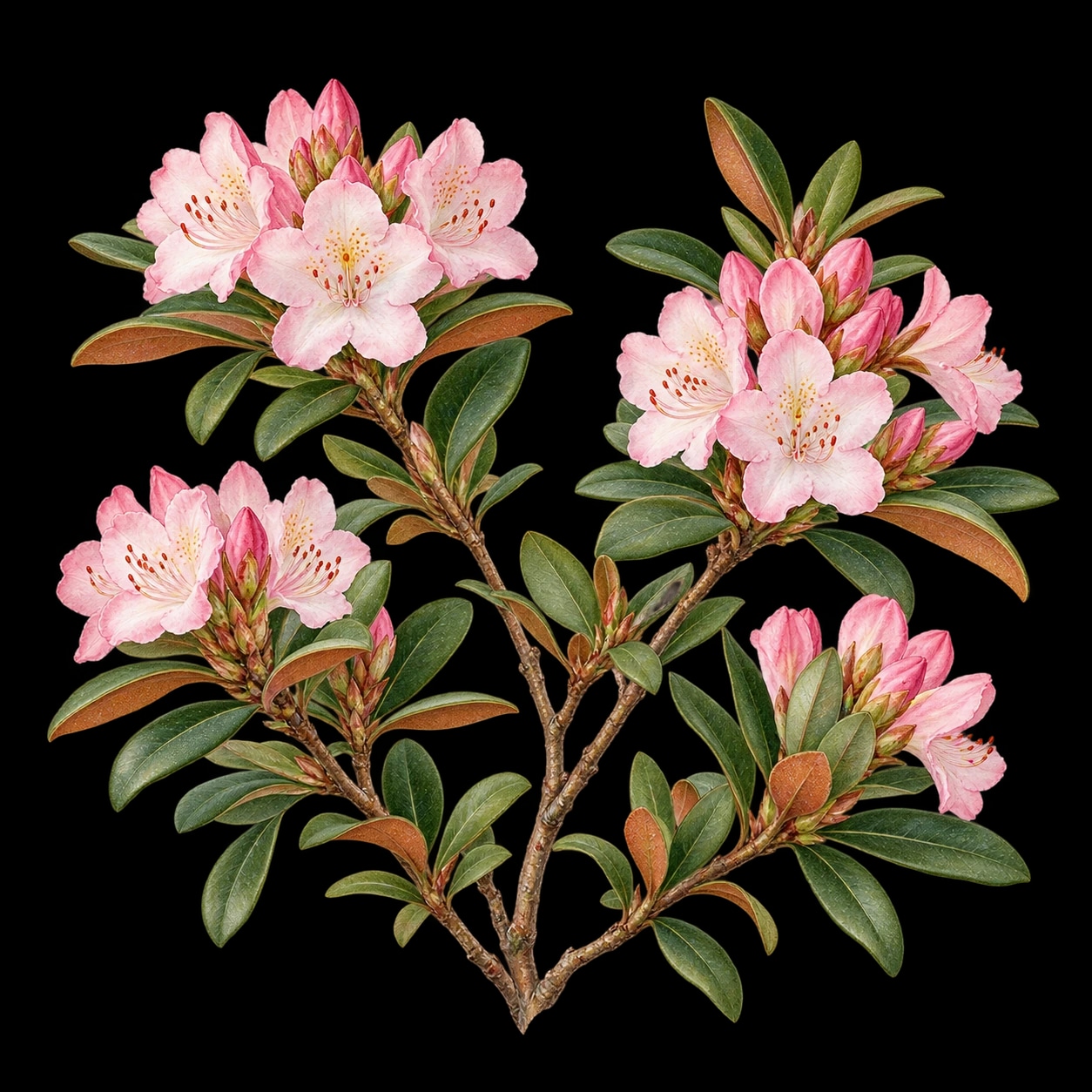
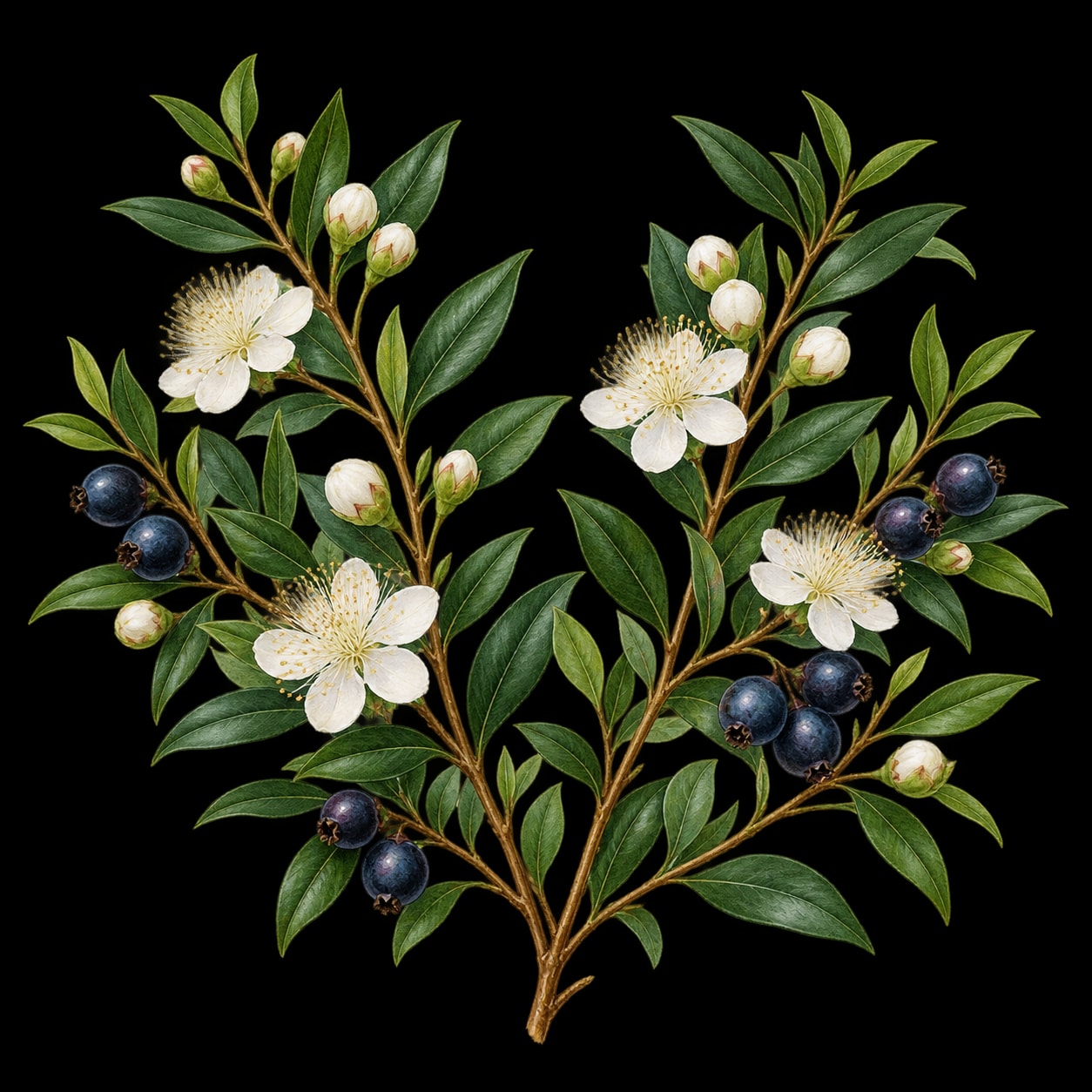
Myrtle is selected for a softer green aroma in seasonal blends. Its profile combines herbaceous freshness, a slight sweetness, and a cineole-based coolness. In aromatherapy, leaf oil is used in respiratory and restorative skin applications.
Breathing comfort
Traditional use of myrtle is associated with cough and viscous secretions. In a weak aromatic composition, it provides a feeling of freshness without requiring a sharply camphoraceous scent. For adults, a short cold test and a well-diluted mixture for the back are suitable; intensity is especially important for sensitive respiratory tracts.
Anti-inflammatory effect
In an experimental study, topical application of myrtle essential oil reduced inflammatory edema and myeloperoxidase activity. Levels of TNF-α and IL-6 also decreased. Authors linked the results to changes in leukocyte migration into tissue. [1]
This is a direct basis for studying the oil in topical formulations. For home care, it is introduced into a neutral base and used on undamaged skin.
Antifungal potential
Two chemically distinct essential oils Myrtus communis showed laboratory activity against certain yeasts and dermatophytes. In a cellular model, they also reduced nitric oxide production during inflammatory stimulation without reducing cell viability under the tested conditions. [2]
Such data are interesting for cosmetology and the development of external products; household mixtures do not replace treatment of established fungal infections.
Emotional sphere
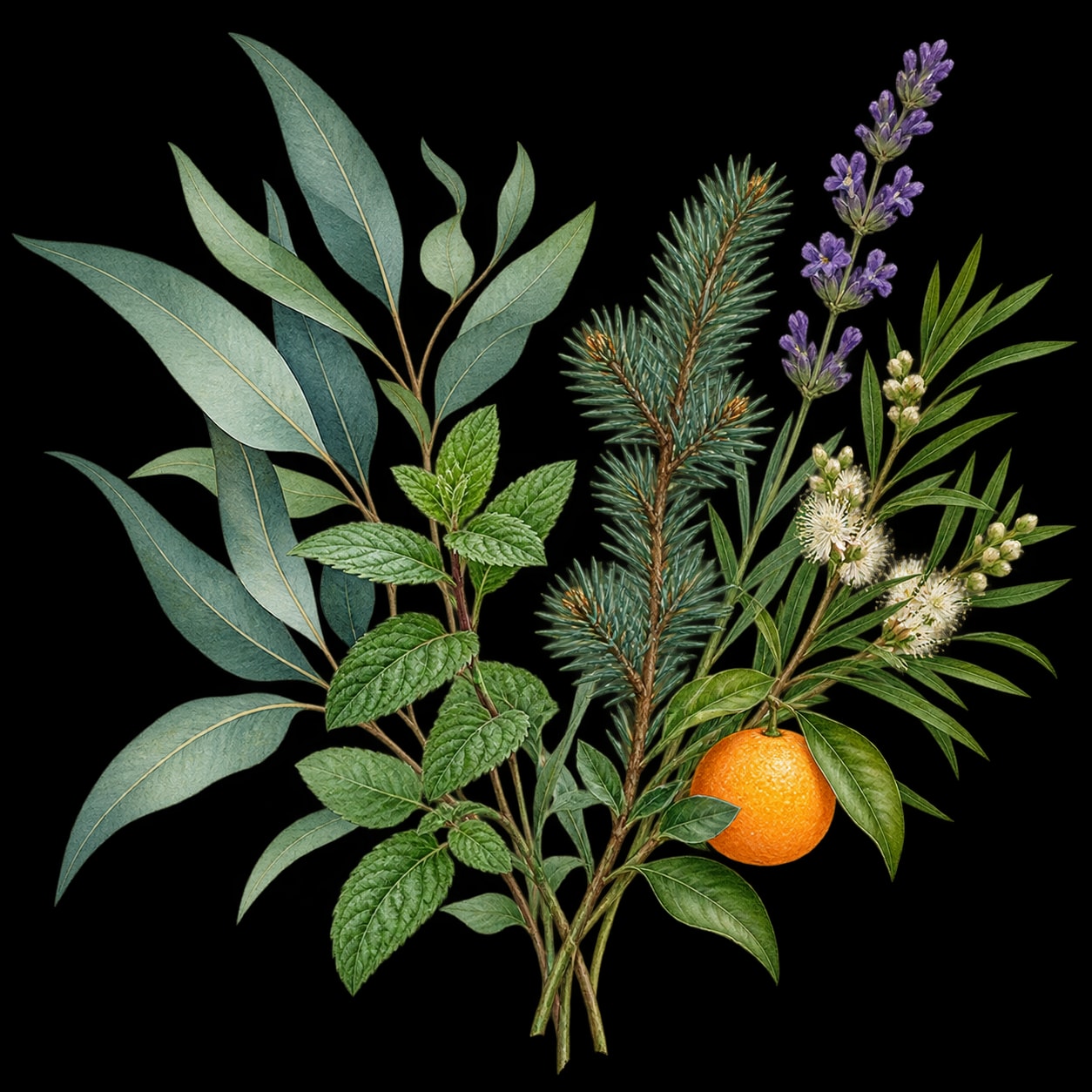
Myrtle is suitable for calm clarity: it is less sweet than floral oils and milder than many intense cineole profiles. Mandarin adds warmth, lavender brings a more evening note, and neroli contributes a delicate floral center.
Blending suggestions
Lavender softens the green freshness, mandarin adds fruity warmth. Cypress makes the blend drier, fir adds a forest character, and neroli brings a subtle floral note.
Research in detail
External anti-inflammatory action
In an experimental study, myrtle essential oil reduced edema, myeloperoxidase activity, and certain inflammatory mediators, including IL-6 and TNF-α. The results were linked to changes in leukocyte migration. This area is being studied for the development of topical formulations. [1]
Composition, fungal cultures, and macrophages
Researchers compared two Myrtus communis oils with different ratios of α-pinene, cineole, linalool, and linalyl acetate. In the laboratory, they demonstrated activity against certain fungi and reduced nitric oxide production in nitrosative-stimulated macrophages. Cell viability testing helped distinguish a biological response from general toxic damage. The study reveals the potential of the full profile while maintaining limitations of the cell model. [2]
How to use
Original formulations for adults with a small amount of aromatic component. Mix in a dry, clean bottle; the listed composition refers to the entire bottle, and a small portion is taken per use. Drop amounts are approximate.
- Gentle rubbing on the back: myrtle — 1 drop, jojoba — 10 ml. Mix well; apply a small amount to the upper part of an adult's back, away from the face. The cineole aroma unfolds more softly in an oil base.
- Myrtle and lavender at night: myrtle — 1 drop, lavender narrow-leaf — 1 drop, jojoba — 20 ml. Apply a small amount to the shoulders or upper arms. Choose this blend if you desire a fresh herbal scent with a more calm floral base.
Precautions
Dilute in a carrier oil before applying to skin. Do not ingest or apply to mucous membranes; stop use if irritation occurs. Do not apply cineole-rich fragrances near the nose or face of young children. Do not use self-formulated therapeutic blends in cases of asthma or epilepsy, or during pregnancy or breastfeeding. Store tightly closed, away from heat and light: oxidised oil is more likely to cause skin reactions.
What to combine with this care
- “Provence” lavender essential oil — Aromatic combination
- Mandarin essential oil — Aromatic combination
- Essential oil of Cypress — Aromatic combination
Sources
- Maxia and co-authors. Myrtle essential oil in inflammation models. 2011.
- Bouzabata and co-authors. Biological activity of two chemically characterized myrtle essential oils. 2015.
- Robert Tisserand. Dilution for essential oils: principles and concentration ranges.
- Aroma-Zone. Myrtus communis cineoliferum: precautions and aromatic use.