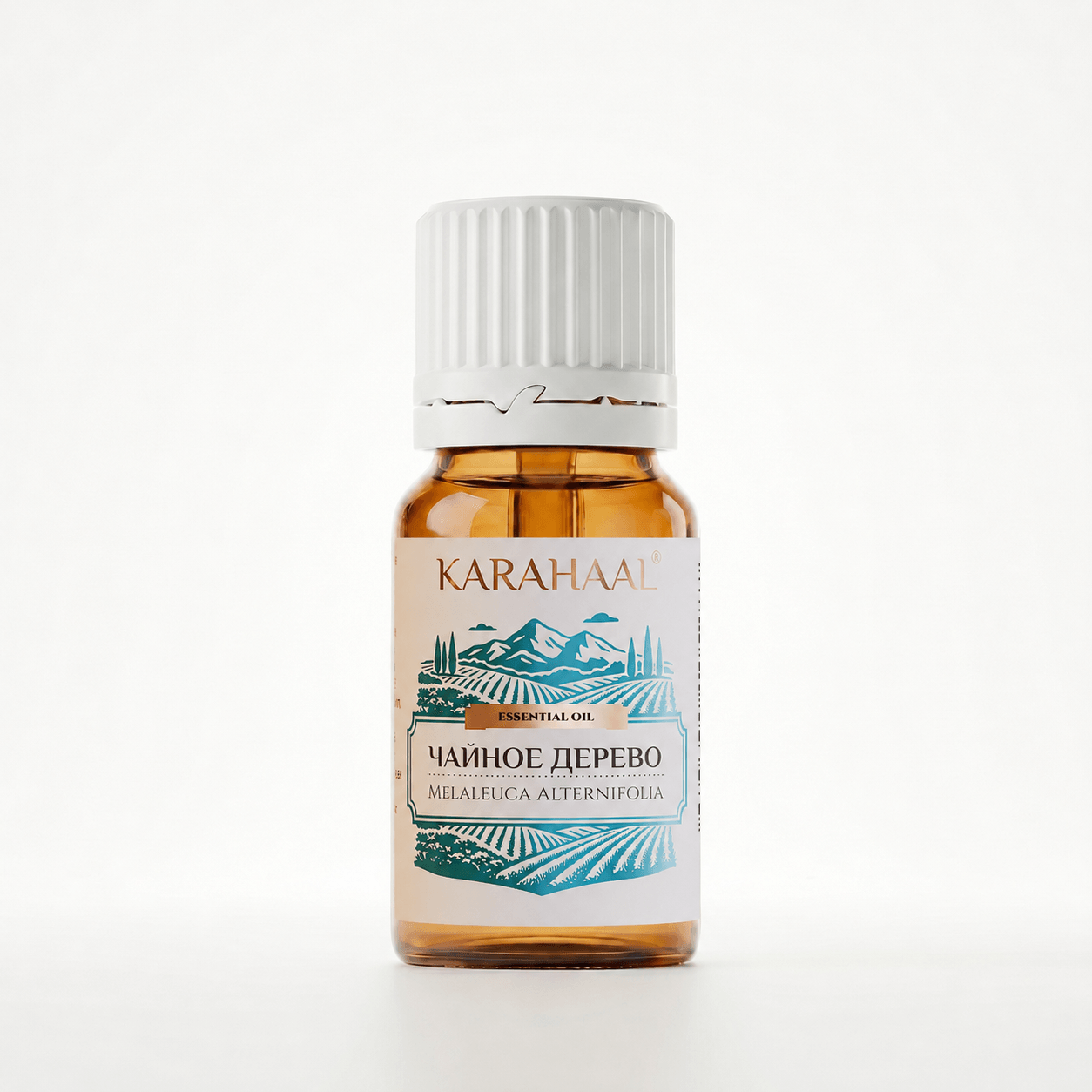
Tea tree: acne-prone skin, dandruff, and anti-inflammatory care
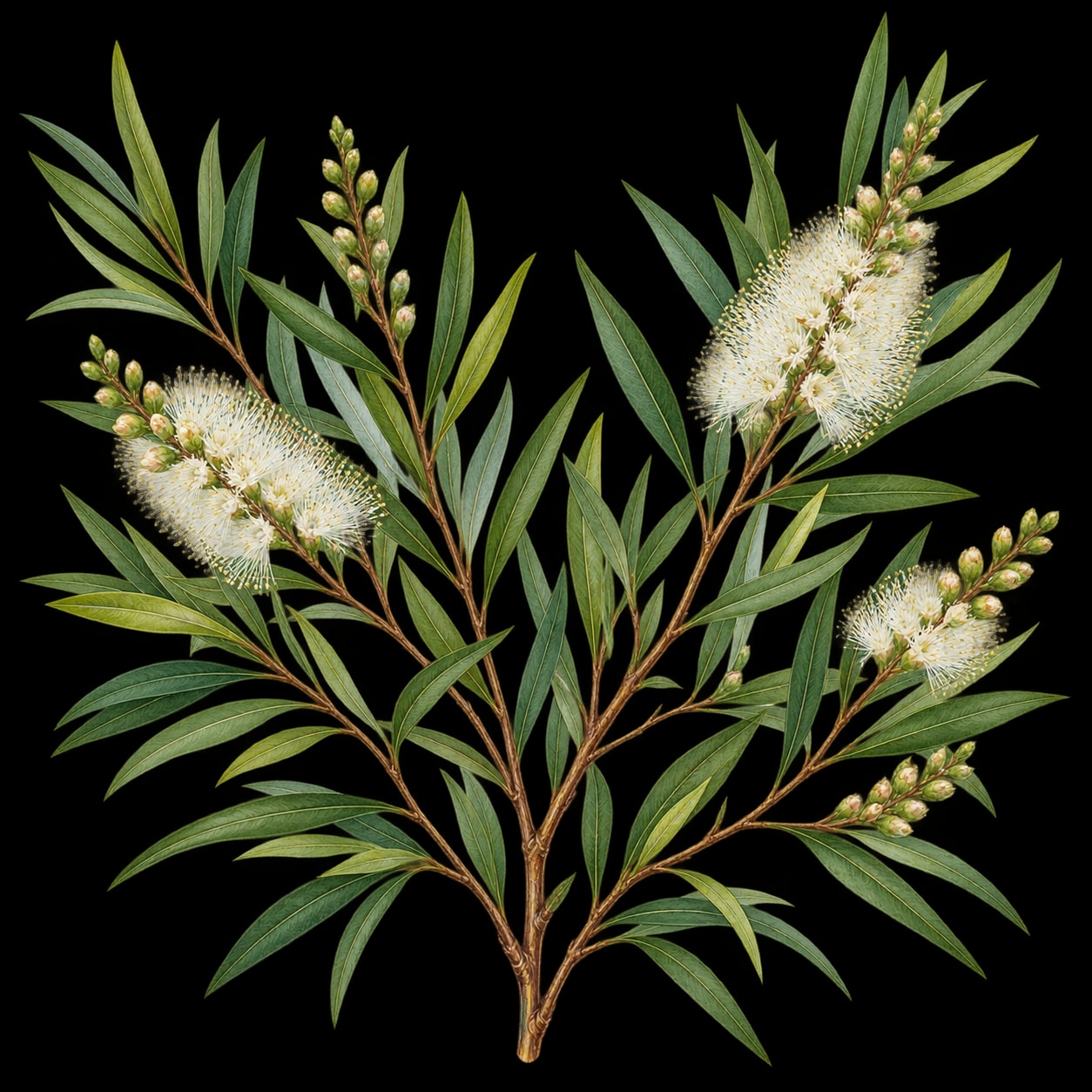
Tea tree essential oil BIO (Melaleuca alternifolia) is valued primarily for its dermatological application profile. It has a dry herbaceous aroma with a green freshness, but the main reason to choose this oil is skincare and care for the hair-bearing scalp. Among essential oils, tea tree stands out due to clinical studies involving specific gels and shampoos.
Therapeutic properties
Acne-prone and inflamed skin
Tea tree oil is used in formulas for acne-prone skin due to its combination of antimicrobial and anti-inflammatory properties. In a randomized study, a 5% gel improved mild to moderate acne symptoms more effectively than a gel base. The number of lesions and overall severity index were evaluated. These are specific clinical data for a topical product containing essential oil. [1]
At home, essential oil is added to a suitable cosmetic base in small amounts. Applying a concentrate to each pimple does not make skincare more effective and may cause irritation. On sensitive skin, it is especially important to distinguish between active inflammation and a reaction to the product itself; severe or scarring acne requires dermatological treatment.
Dandruff and scalp itching
In a study of a shampoo containing 5% tea tree essential oil, 126 people participated. After four weeks, improvement in the overall dandruff score was 41% compared to 11% in the control shampoo. The authors also evaluated accompanying symptoms. This refers to a change in severity scale, not the fact that dandruff completely disappeared in 41% of participants. [2]
This approach is conveniently implemented in wash-off products, where the oil is distributed throughout the formula. A formulated shampoo with a studied recipe and a drop of oil in a homemade product are different options: for self-mixing, a compatible base and adherence to its instructions are required.
Anti-inflammatory action of terpinen-4-ol
Hart and colleagues studied the reaction of human monocytes to an inflammatory stimulus. Upon addition of terpinen-4-ol, cells released less TNF-α, individual interleukins, and prostaglandin E2. This laboratory observation explains the interest in the anti-inflammatory properties of the component. [3]
Feet, local care, and scent
In aromatherapy, tea tree is included in products for feet, damp areas, and local cleansing care. The dry herb note combines with cypress, lavender, and mild citrus notes. For damaged skin, open wounds, and mucous membranes, medically formulated products are required; home-made oil preparation does not become a sterile antiseptic agent.
Aromatic character
Tea tree creates a feeling of cleanliness without sweetness. In a home fragrance composition, only a small amount of tea tree is needed: lavender softens the scent, lemon makes it brighter, eucalyptus gives it a more camphor-like character. Here, the oil serves an aromatic role, while antimicrobial effects always refer to a specific concentration and mode of contact.
Blending suggestions
Lavender softens the herbal sharpness and is suitable for local cosmetic blends. Cypress provides a dry green note for foot care. Lemon and sweet orange lighten the scent; with eucalyptus, a more pronounced camphoraceous character is achieved.
Research in detail
Acne gel — randomized study, 2007
In a double-blind study, 60 participants with mild to moderate acne received a gel containing tea tree or a base without it. The observation period lasted 45 days; researchers counted acne lesions and assessed acne severity index. In the active gel group, both indicators improved more significantly than in the placebo group; adverse reactions were described as relatively comparable and tolerable. [1]
Shampoo for dandruff — Satchell and colleagues, 2002
The study included 126 participants. For four weeks, they compared a shampoo containing tea tree essential oil with a control shampoo. On a scale assessing the area and severity of dandruff, improvement was 41% in the main group and 11% in the control group. This was a change in the study metric, not the percentage of people completely free of dandruff. [2]
Inflammatory mediators and terpinen-4-ol
In a human blood cell study, monocytes activated by bacterial lipopolysaccharide were used. The formation of inflammatory response signaling molecules was examined. Among the separately tested water-soluble components of the oil, terpinen-4-ol reduced the production of several cytokines and prostaglandin E2. [3]
How to use
Examples for adults. Quantities are given for the entire bottle; for one application, take a small portion of the mixture. These are aromatic therapy routines, not medicinal dosages.
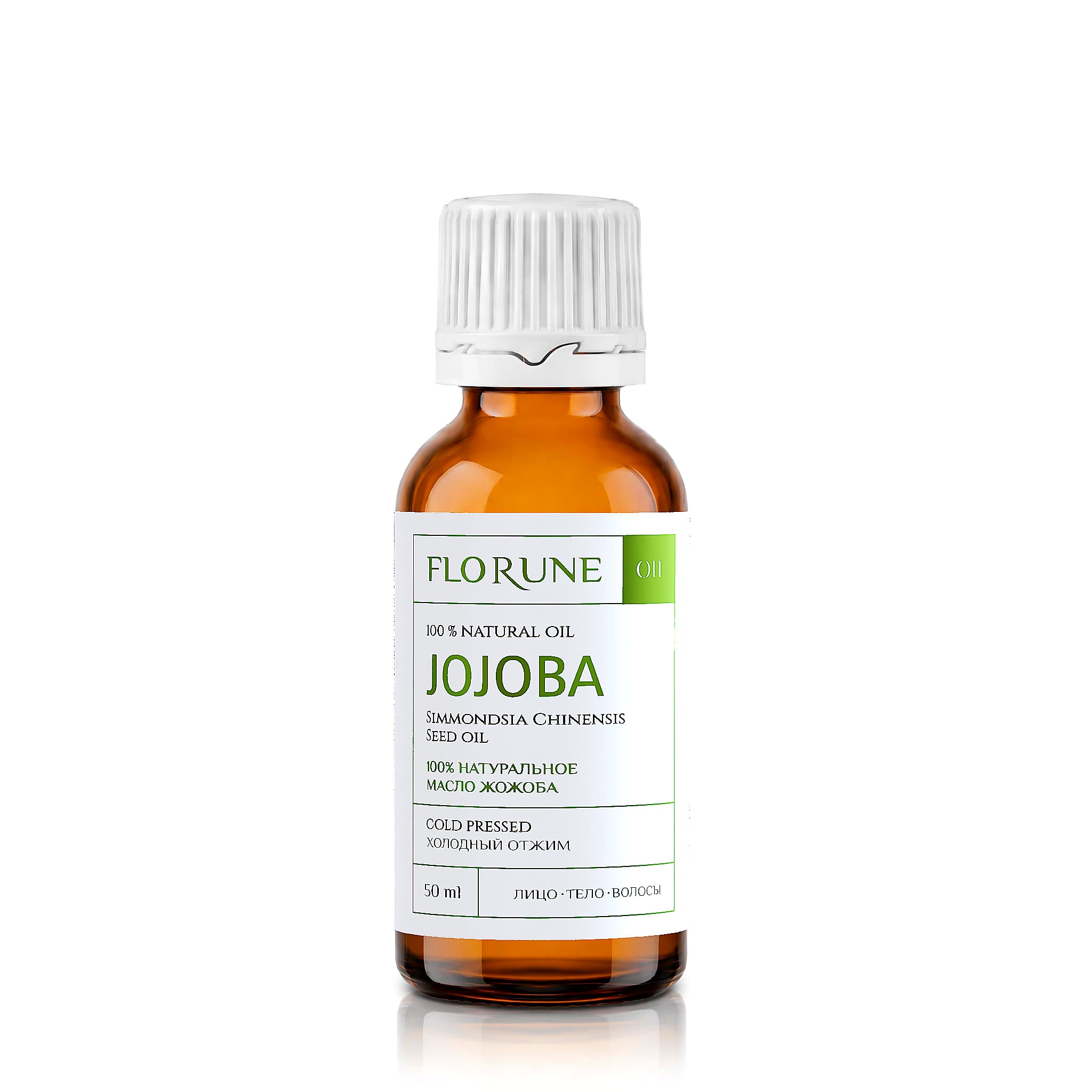
- Simple mixture for local massage: 1 drop of tea tree essential oil bio per 10 ml of jojoba oil. Mix in a clean bottle. Apply a small amount of the prepared mixture to healthy skin on the forearm for local care.
- Fresh daytime blend: 1 drop of tea tree oil bio + 1 drop of true lavender essential oil in 20 ml of jojoba. Mix; use a small amount to gently massage the forearms or shoulders.
- Scenting without a diffuser: 1 drop on a paper towel or aromastone. Hold at a comfortable distance from the face, without touching the skin with the oil; several ordinary breaths are sufficient to assess the scent.
- “Herbal Care” blend: tea tree oil BIO — 1 drop; palmarosa oil — 1 drop; jojoba — 20 ml. Combine in a clean, dry bottle and mix. Use a small amount of the prepared blend to gently massage an adult’s shoulders or forearms, away from the face.
Precautions
Do not swallow: tea tree oil is toxic if ingested. Do not apply the concentrate to skin, mucous membranes or the eye area. Choose new products particularly carefully if you have eczema, a tendency to contact allergies or very sensitive skin. Use fresh oil and stop if irritation occurs. The home blends below are for adults.
Frequently Asked Questions
Can tea tree oil be applied directly to blemishes?
A concentrate is not needed for daily skincare. For the face, a suitable ready-made formula is chosen; homemade oil examples are intended for undamaged body skin.
What to combine with this care
- “Provence” lavender essential oil — Aromatic combination
- Essential oil of palmarosa — Aromatic combination
- Essential oil of Cypress — Aromatic combination
- Jojoba oil — Base for the oil recipes above
Sources
- Enshaieh S. et al. The efficacy of 5% topical tea tree oil gel in mild to moderate acne vulgaris: a randomized, double-blind placebo-controlled study. 2007.
- Satchell A.C. et al. Treatment of dandruff with 5% tea tree oil shampoo. J Am Acad Dermatol. 2002;47:852–855.
- Hart P.H. et al. Terpinen-4-ol suppresses inflammatory mediator production by activated human monocytes. Inflammation Research. 2000.
- EMA. Melaleucae aetheroleum — herbal monograph and assessment.