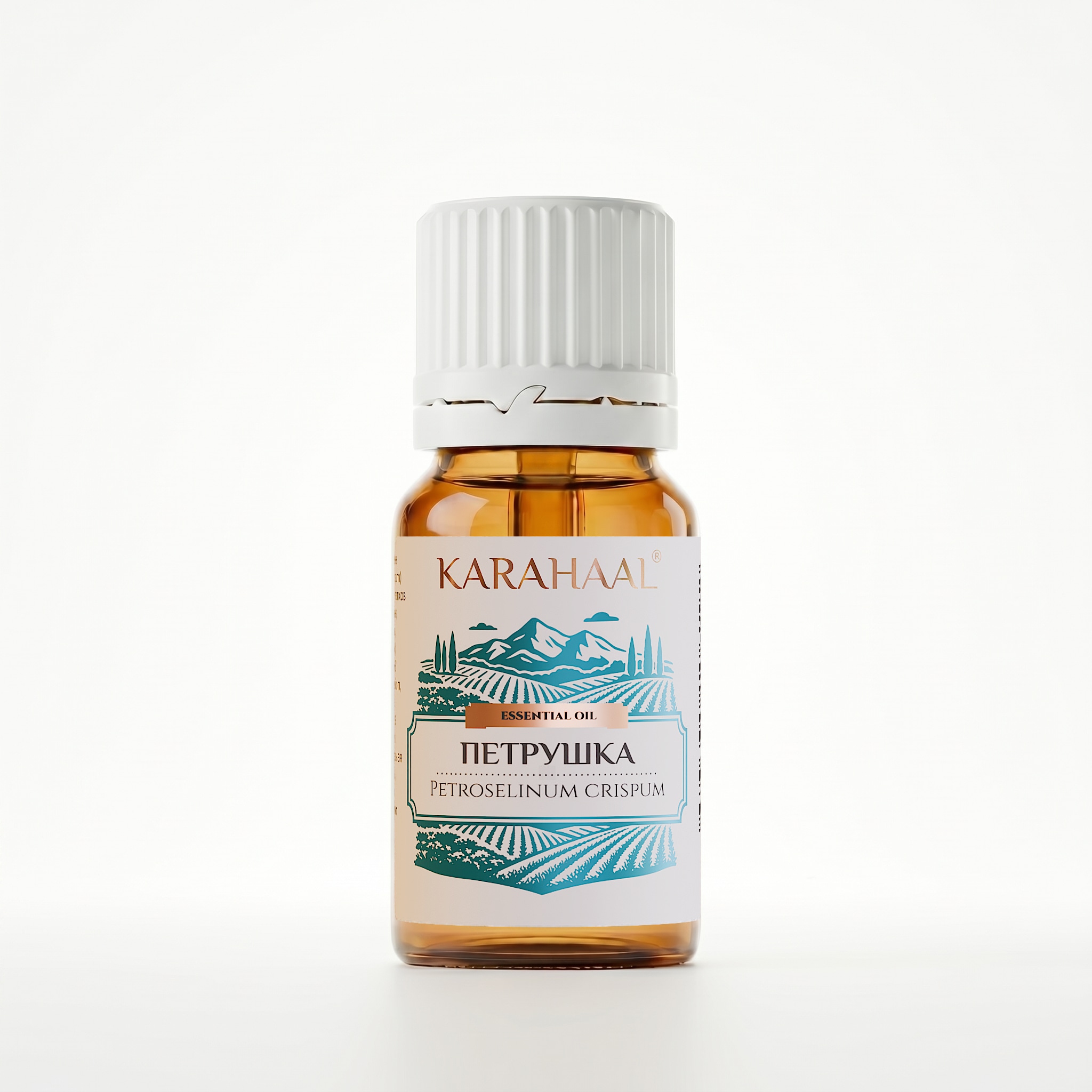
Parsley: antibacterial studies and activity of phenylpropanoids
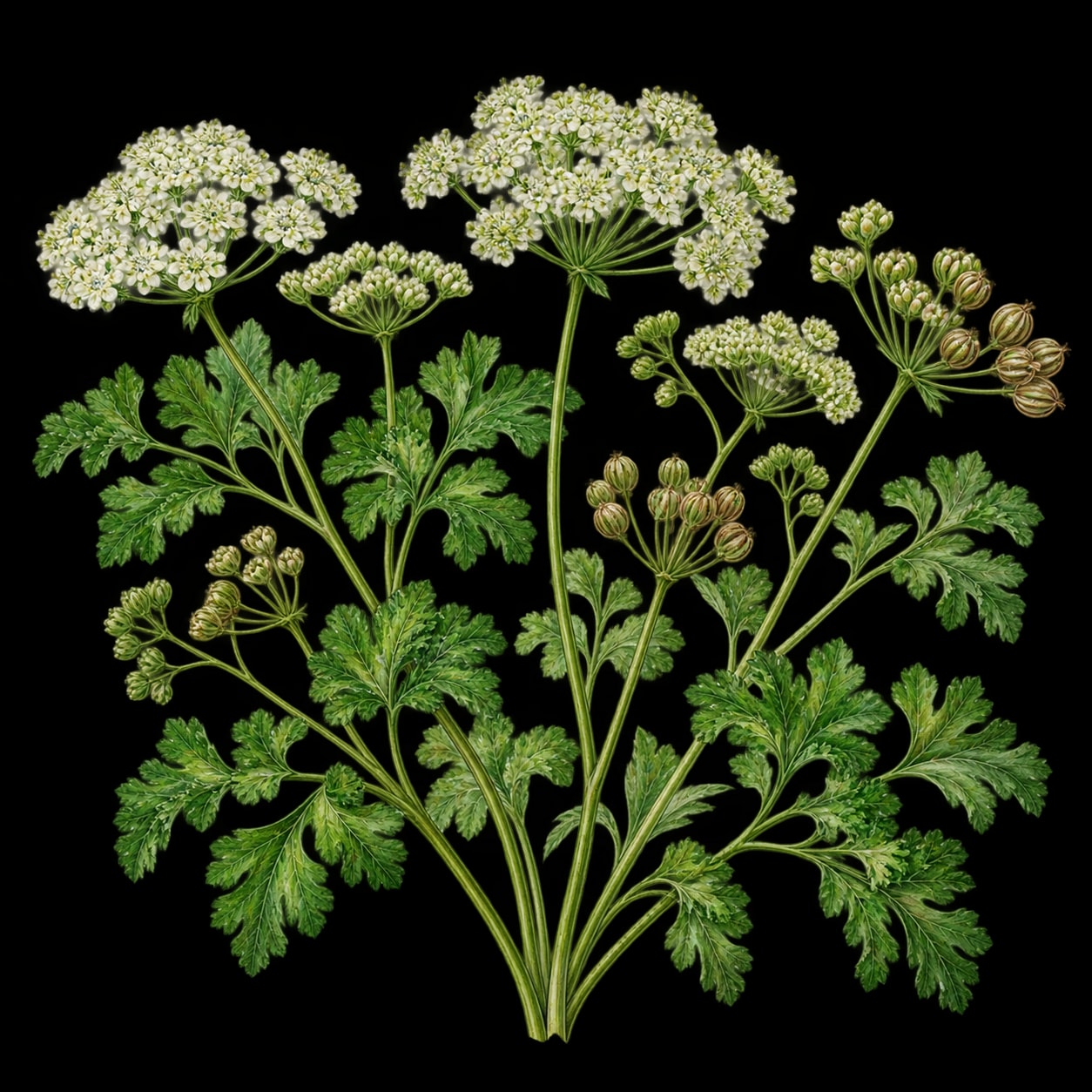
The familiar scent of parsley's greenness masks a complex volatile chemistry. Essential oil is much more concentrated than culinary herb and possesses a pronounced biological potential. Its antimicrobial properties and the effects of its components on inflammation-related processes are particularly interesting.
Antibacterial activity and biofilms
In the study of parsley and basil oils, bacteria Vibrio were suppressed and their formed biofilms were affected. A biofilm is a community of microorganisms protected by a common matrix; its destruction presents a separate challenge for antimicrobial agents. The study focused on seafood safety, so its practical significance lies in the potential of natural sources of active substances. [1]
Anti-inflammatory potential
In the laboratory study, parsley leaf oil was examined in cell-free tests of albumin denaturation and protease activity. Such tests help investigate possible anti-inflammatory mechanisms at the level of protein reactions. [2]
Why the chemical composition matters
Apiol and myristicin belong to the phenylpropanoids. Their share varies depending on the plant part and raw material origin. Lighter terpenes create a fresh green top, while these compounds give the spice a denser character. It is precisely the composition that determines the safe working conditions with the concentrate.
Practical application
Parsley essential oil is of interest to specialists working with rare green and aromatic materials. Its aroma can add cohesion and an unusual plant depth to a composition. For self-administered diuretic use, "kidney cleansing," or menstrual cycle regulation, the concentrate is not suitable: such applications require a different form of preparation and medical evaluation.
Blending suggestions
In a professional perfumery composition, parsley's green freshness is balanced by coriander, cedar, and citrus notes. The combination is selected based on the desired freshness, spice, and woody depth.
Research in detail
Parsley in biofilm studies
A chemically characterized comparison of parsley and basil oils was conducted. The oils suppressed certain Vibrio strains and influenced biofilms on polystyrene; the study was primarily related to potential protection of marine products from contamination. The parsley oil sample contained terpenes, apiol, and myristicin. The results reveal the activity of a specific mixture, while maintaining the necessity of separately considering plant parts and tolerance. [1]
How to use
Examples for adults. Quantities are given for the entire bottle; for one application, take a small portion of the mixture. These are aromatic therapy routines, not medicinal dosages.
- Material for individually tailored professional blends. Do not apply concentrate to skin, mucous membranes, or damaged areas; do not ingest. No home therapeutic regimen is recommended with this product.
Precautions
Do not use during pregnancy or breastfeeding, or for children. Do not ingest. Do not use on your own in cases of kidney disease or to influence the menstrual cycle. A specialist should determine the topical concentration based on the plant part and composition.