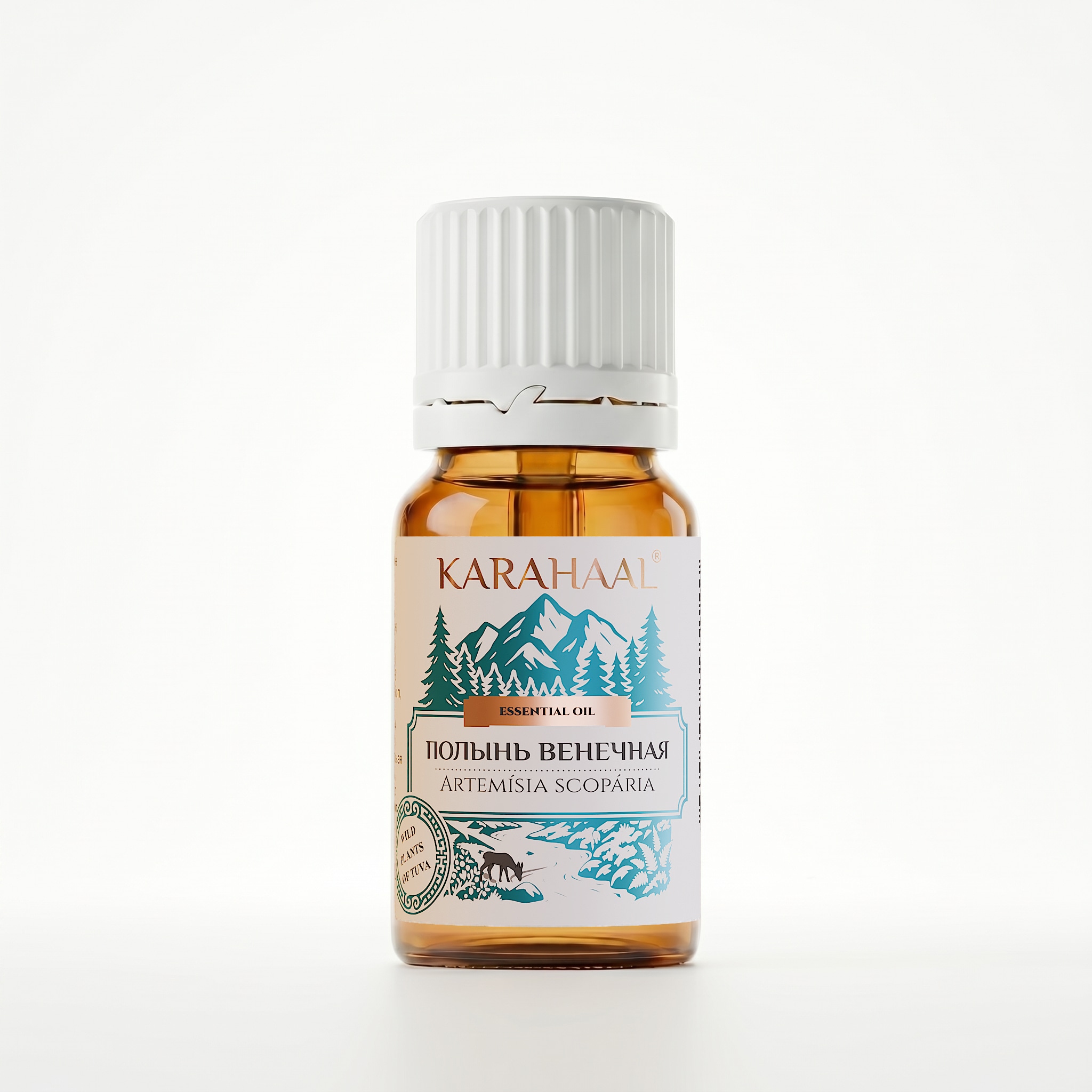
Redstem wormwood: antimicrobial potential and aromatherapy for muscle tension
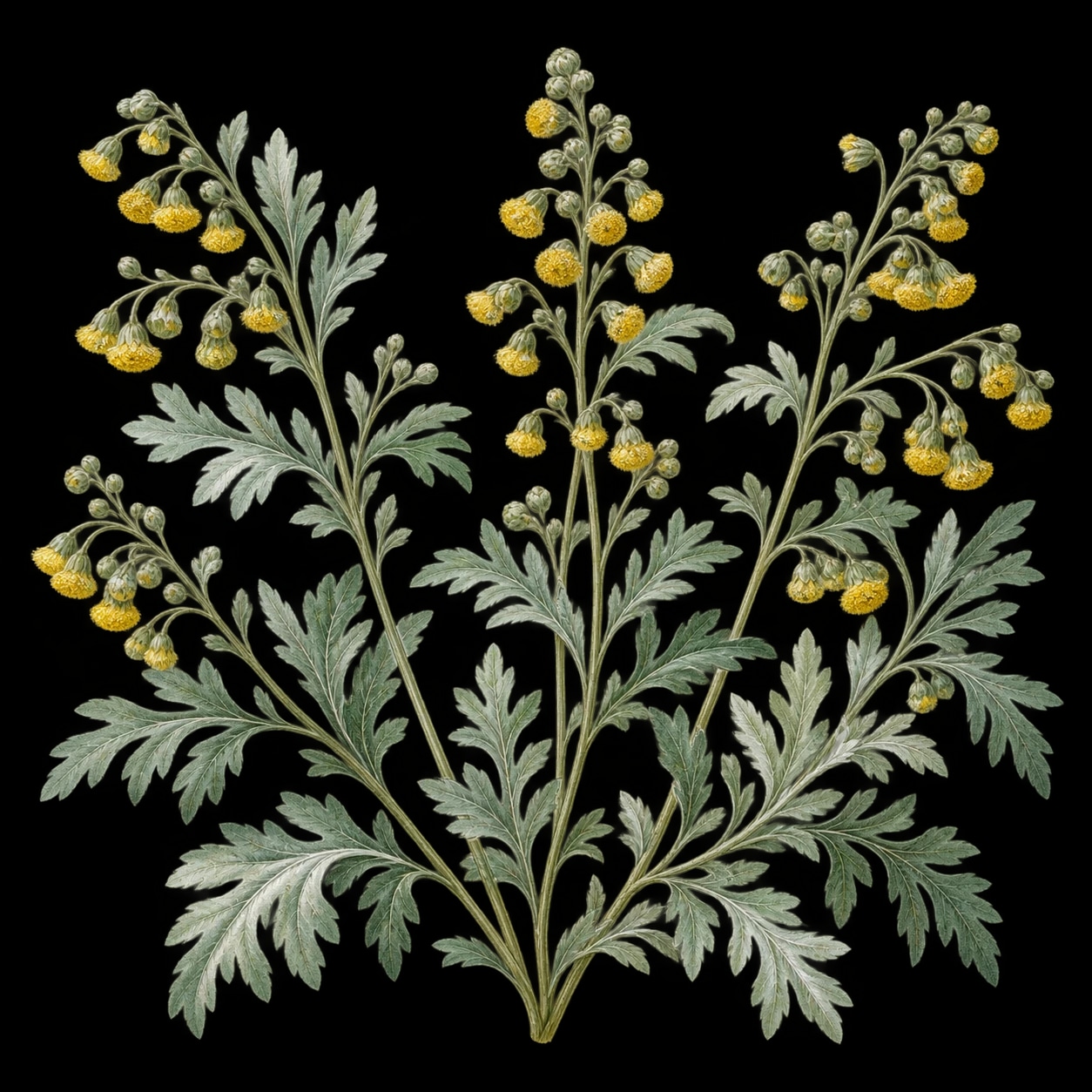
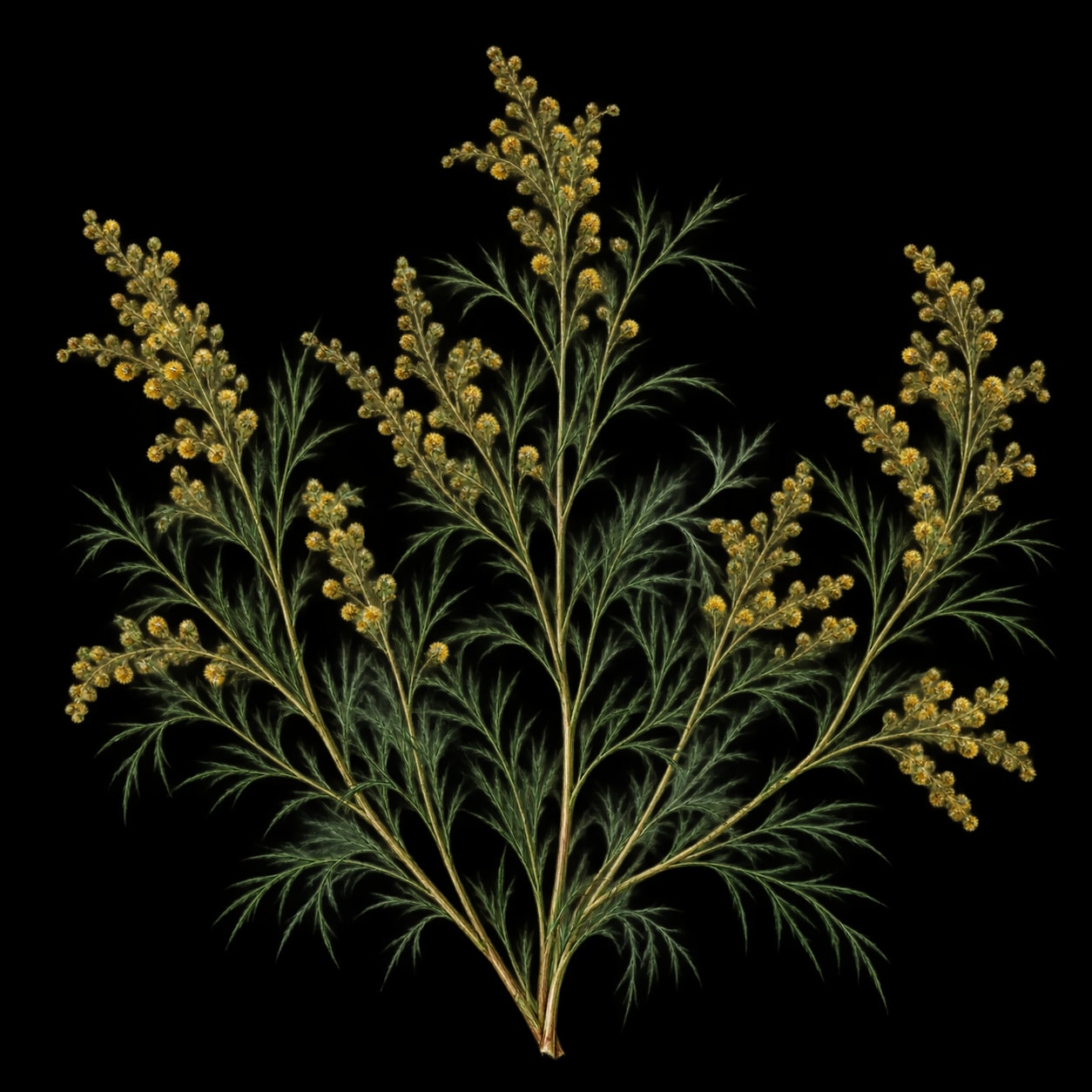
Redstem wormwood combines fresh green notes with light sweetness and a dry, smoky nuance. Its history in therapeutic aromatherapy includes skin, muscle and respiratory care. It is a distinct species, Artemisia scoparia, whose chemical profile can differ considerably from bitter wormwood and Taurian wormwood.
Therapeutic applications
Monograph KARAHAAL describes anti-inflammatory, spasmolytic, and mucolytic uses: muscle pain after exertion, tension, and cough with difficult-to-eliminate mucus. Dermatological applications include care for inflammatory elements and skin recovery. These are insights from aromatherapy practice that give the oil a specific place in composition selection. [1]
In a laboratory study, Artemisia scoparia essential oil suppressed the growth of 15 groups of oral bacteria. Individual components exhibited varying activity. The study focuses on the cineole-camphor profile; the chemical profiles of redstem wormwood also include artemisia ketone variants. [2]
Aromatic chemistry and mixture selection
Artemisia ketone creates a characteristic herbal note, while β-selinene and β-caryophyllene add dry depth. In a professionally formulated blend, redstem wormwood can link soothing lavender with woody essential oils. Formulas for skin care and breathing practices are selected with this distinctive ketone profile in mind.
Emotional sphere
In aromatherapy tradition, it is chosen for restlessness, feelings of confusion, and during periods of transition. The dry herbaceous scent provides a striking contrast to sweet flowers: with bergamot it becomes lighter, with vetiver it becomes deeper and calmer. It is better to start with getting acquainted with one aromatic note before incorporating it into a complex mixture. [1]
Blending suggestions
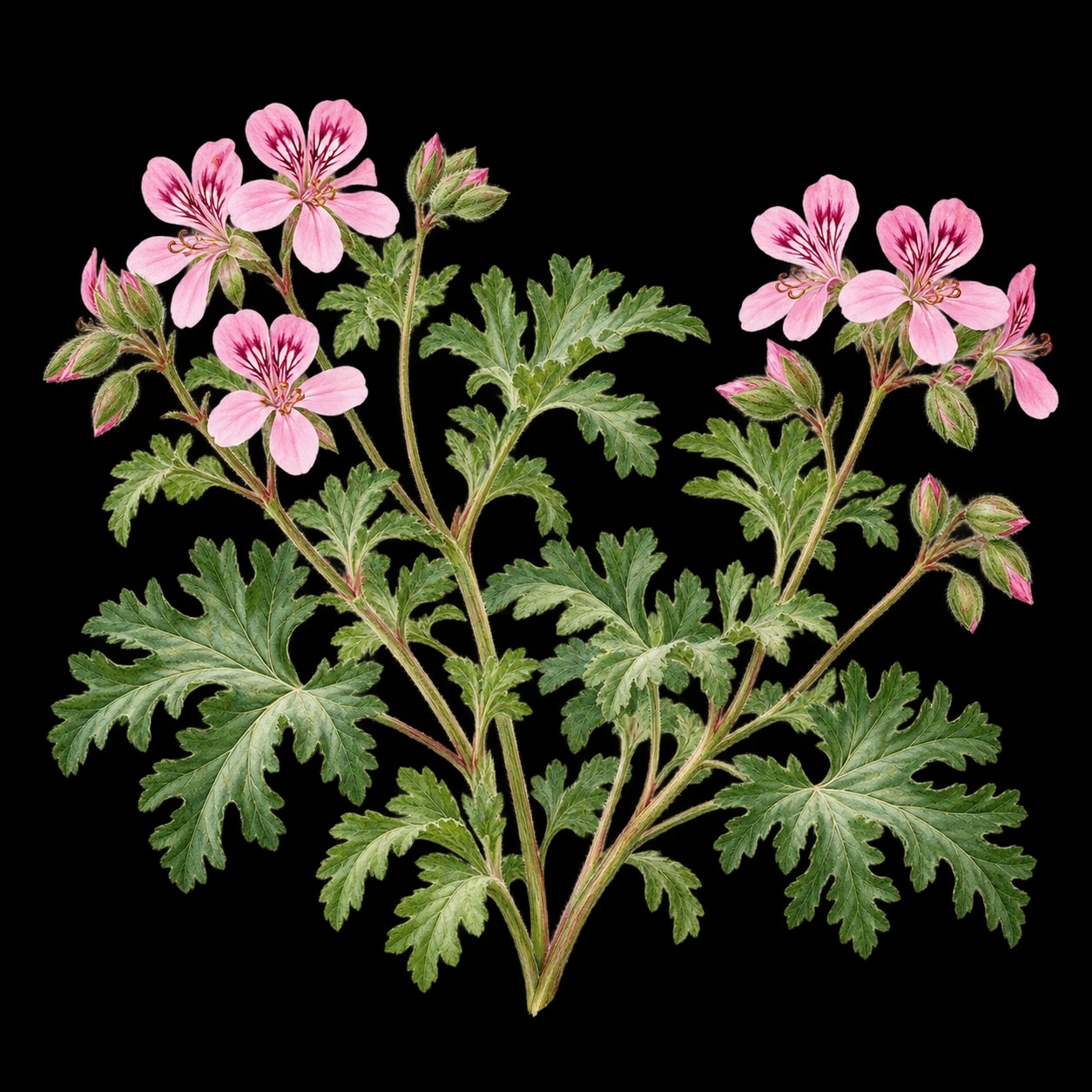
Lavender softens wormwood's dryness; bergamot opens the citrus note; geranium unites the green and floral aspects; vetiver and patchouli deepen the base. These are directions for professional aroma selection.
Research in detail
Comparison of two wormwood species
In a laboratory study Artemisia scoparia and A. capillaris compared the composition of oils and their effects on oral bacteria. Oils and individual components showed different responses. For oral care, specially formulated ready-made products are used; essential oil concentrate is not added to home rinses. [2]
How to use
Examples for adults. Quantities are given for the entire bottle; for one application, take a small portion of the mixture. These are aromatic therapy routines, not medicinal dosages.
- Material for individually tailored professional blends. Do not apply concentrate to skin, mucous membranes, or damaged areas; do not ingest. No home therapeutic regimen is recommended with this product.
Precautions
Do not ingest or use for homemade mouth rinses. Skin blends require an individually selected formula. Do not use without professional guidance during pregnancy or breastfeeding, for children or in cases of epilepsy.
What to combine with this care
- “Provence” lavender essential oil — Aromatic combination
Sources
- KARAHAAL. Monograph Artemisia scoparia, pp. 36–38 of the provided catalog.
- Chemical composition and antimicrobial activity of the essential oils of Artemisia scoparia and A. capillaris.