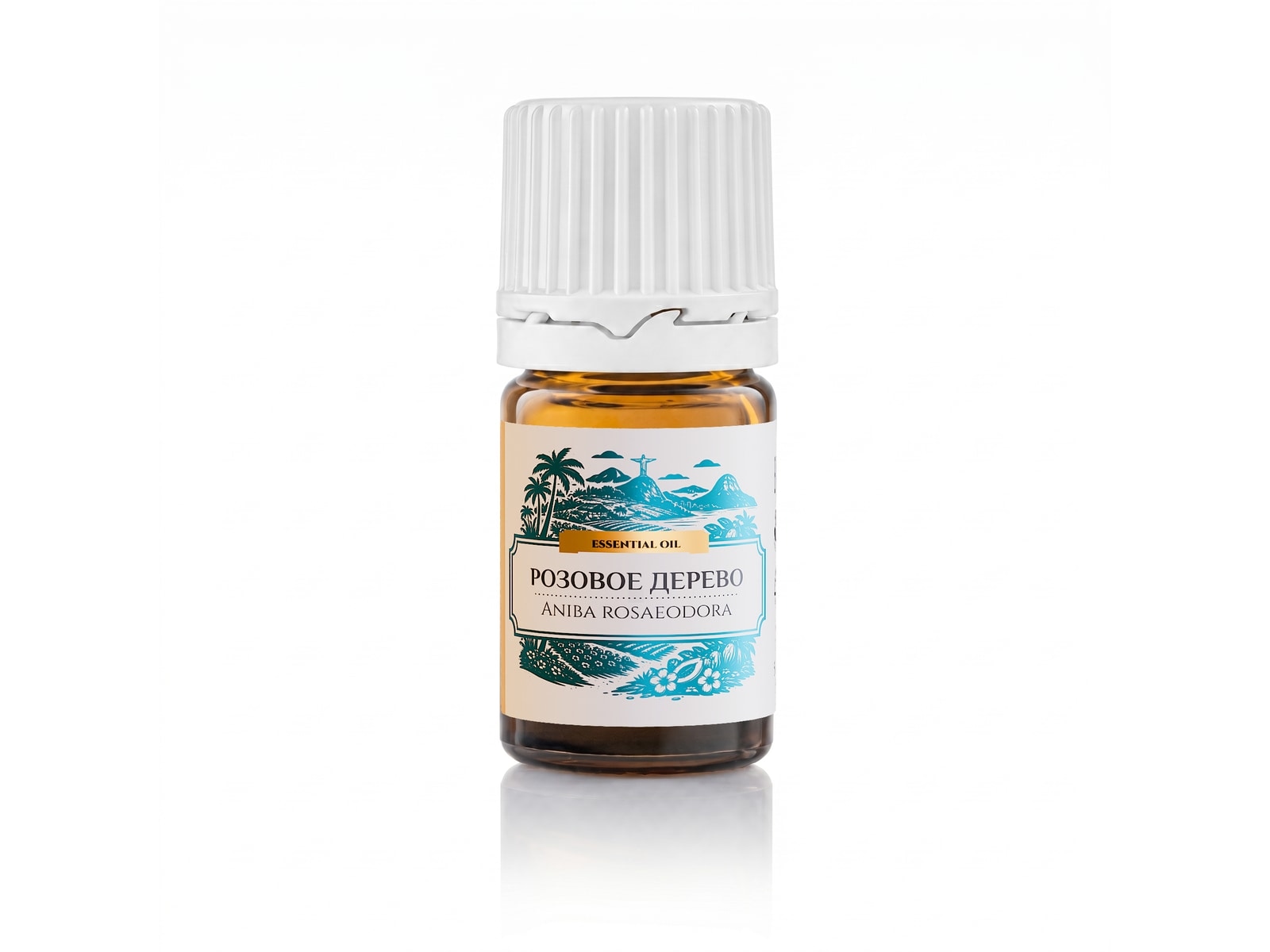

Rosewood: linalool, nervous system, and gentle aromatic care
The oil Aniba rosaeodora combines floral transparency with a warm woody base. It is suitable for those who find heavy resins too dense and bright citrus notes too fleeting. Therapeutic interest in rosewood is primarily linked with its relaxing effects and the high concentration of linalool in its chemical profile.
Therapeutic properties
The sedative direction of the whole oil
In an experimental study from 2009, rosewood oil altered sleep parameters and reduced the electrical response of isolated nervous tissue. Researchers linked the results to its effect on nervous excitability. The study reveals the sedative potential of the oil under controlled conditions. [1]
In aromatherapy, rosewood is selected for calming blends during emotional stress, irritability, and difficulty finishing an active day. For home care, gentle exposure to the aroma and massage with a diluted mixture are suitable.
Anxiolytic potential of linalool
In an experimental study by Harada and colleagues, the scent of linalool demonstrated an anti-anxiety potential. The response depended on preserved olfaction; researchers identified the involvement of GABA-dependent mechanisms. The study focuses on the perception of the scent of a single volatile compound. [2]
Linalool does not make all oils containing it identical. Rosewood, lavender, and coriander differ in accompanying components and aromatic character. Rosewood is suitable to choose when one desires a calming composition with a pronounced floral softness and without the usual lavender note.
Massage and skin care
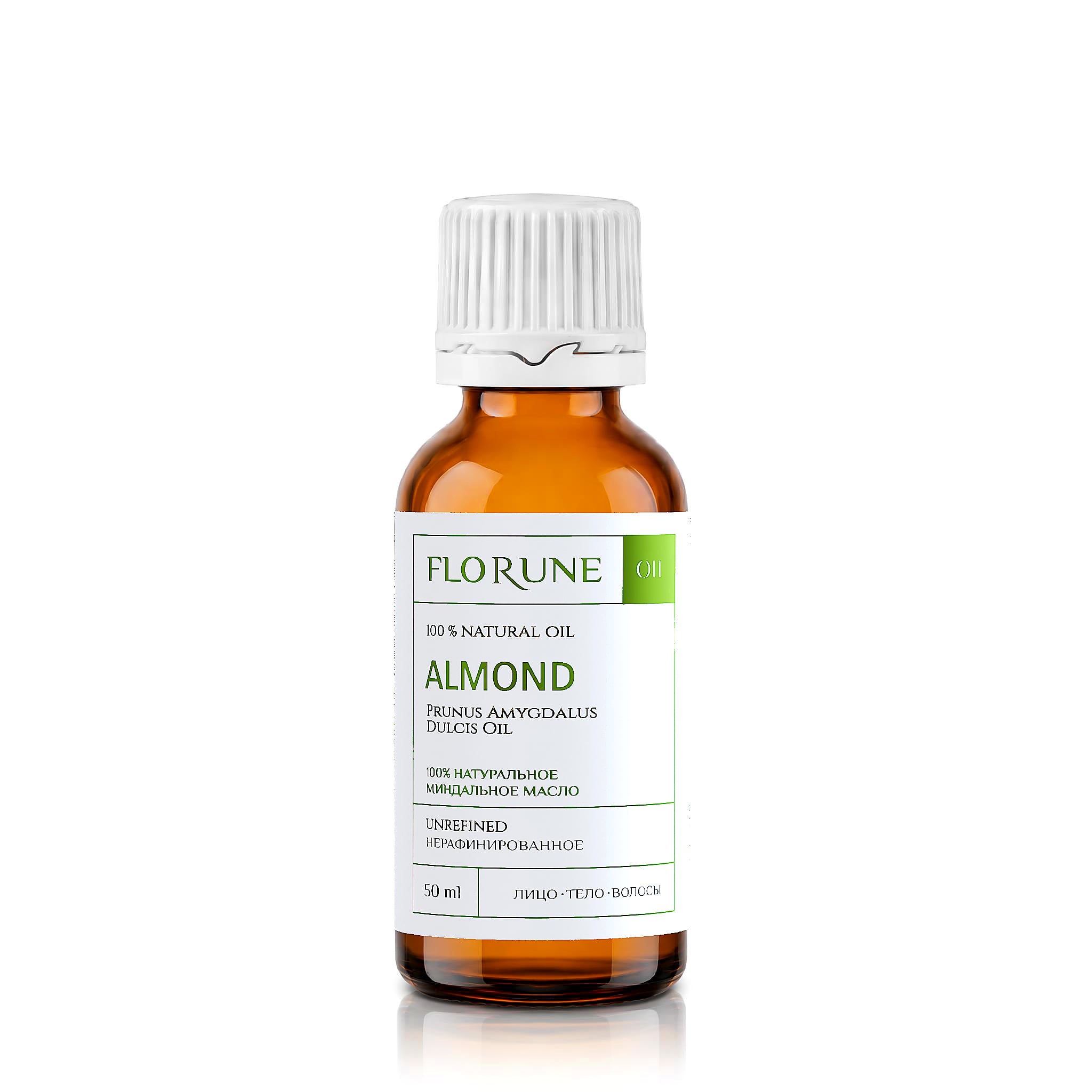
In aromatic therapy cosmetics, the oil is used as a gently perfumed component in massage and care blends. Jojoba provides a neutral waxy base, while almond oil offers a more pliable glide. For the face and sensitive skin, low concentration and freshness of the raw material are especially important: linalool, upon oxidation, can form substances capable of causing contact allergy.
Aromapsychological characteristics
Rosewood helps create a calm, open, and warm aroma. In blends, it is selected for recovery after interaction and a full day, when a gentle, light touch is needed. Neroli lightens the floral aspect, sandalwood extends the woody notes, and orange adds a friendly fruity note. The name of the oil does not mean a mixture of rose and wood: it is a distinct botanical raw material.
Blending suggestions
Neroli enhances floral clarity, lavender adds herbal freshness. Sweet orange makes the aroma lighter; sandalwood and cedar extend the woody base. Geranium is suitable if a more pronounced rose tone is desired.
Research in detail
Whole oil: sedative direction in the experiment
In the 2009 experimental study, rosewood oil influenced sleep parameters and electrical activity of isolated neural tissue. The authors linked the results to changes in neural excitability. The study is devoted to the sedative potential of the oil. [1]
Linalool and the olfactory pathway
In the experimental study by Harada and colleagues, the anxiolytic response to the scent of linalool was investigated. The effect depended on olfactory pathways and the involvement of the GABA system. The study reveals one of the mechanisms of aromatic action of a single component. [2]
How to use
Original formulations for adults with a small amount of aromatic component. Mix in a dry, clean bottle; the listed composition refers to the entire bottle, and a small portion is taken per use. Drop amounts are approximate.
- Gentle care for dry body skin: rosewood — 1 drop, jojoba — 10 ml. Mix in a bottle; a few drops of the prepared mixture can be applied to slightly damp skin on forearms or calves after a shower.
- For relaxation after a stressful day: rosewood — 1 drop, lavender (narrow-leafed) — 1 drop, jojoba — 20 ml. Mix and use a small portion for a slow massage of the shoulders; the floral note will become softer, while the woody base will remain noticeable.
Precautions
Dilute in a carrier oil before applying to skin. Do not ingest or apply to mucous membranes; stop use if irritation occurs. Store tightly closed, away from heat and light: oxidised oil is more likely to cause skin reactions.
What to combine with this care
- “Provence” lavender essential oil — Aromatic combination
- Essential oil of sweet orange — Aromatic combination
- White sandalwood essential oil BIO — Aromatic combination
Sources
- Rosewood oil: experimental study of sedative potential and neural activity, 2009.
- Harada and co-authors. The calming effect of linalool and the anti-anxiety response: experimental study, 2018.
- Robert Tisserand. Dilution for essential oils: principles and concentration ranges.
- Australian Wholesale Oils. Rosewood Essential Oil: dilution and application.