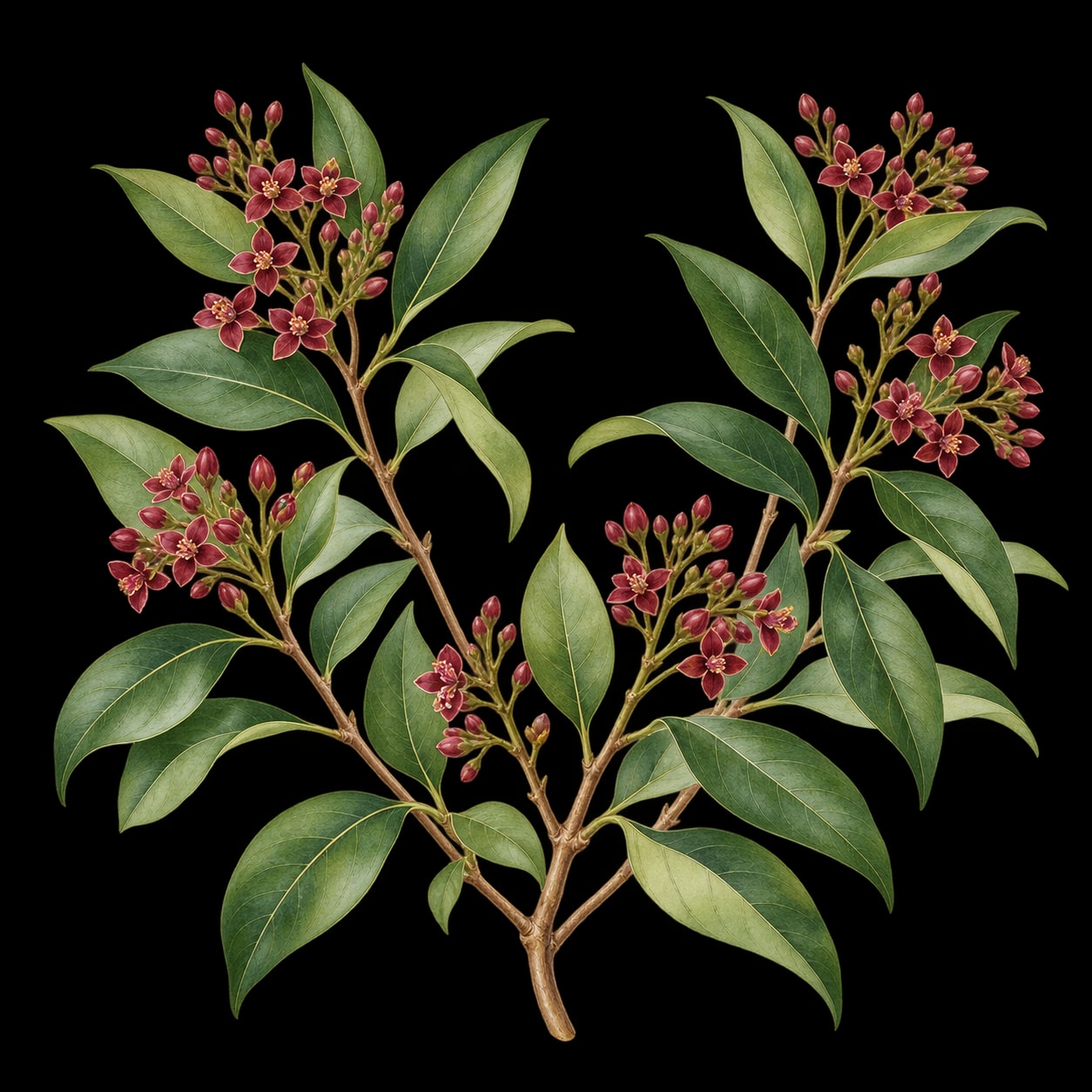
White sandalwood: skin inflammation and deep relaxation
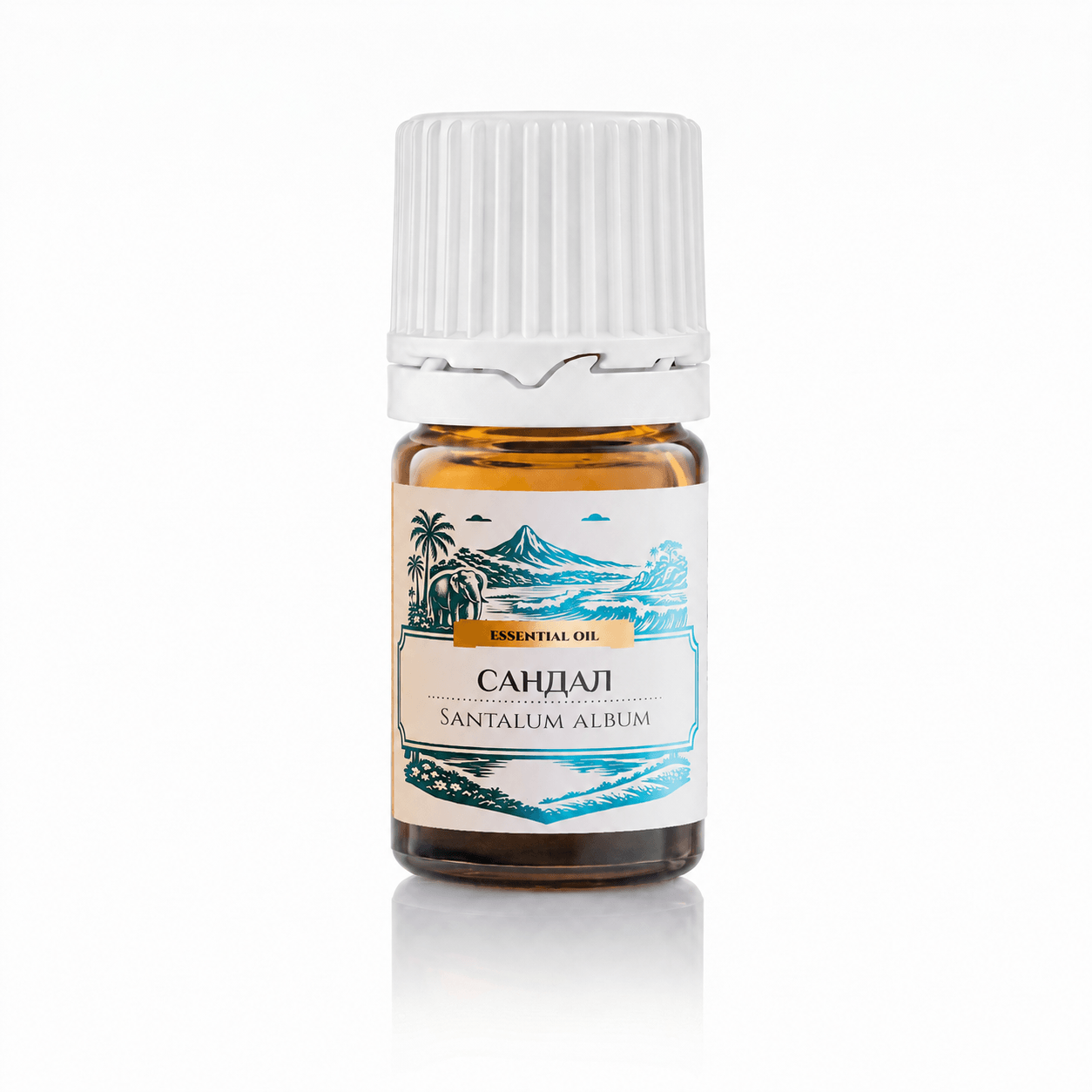
True white sandalwood is obtained from the wood Santalum album. Its scent is soft, rounded, wood-sweet, without a sharp coniferous top note. The oil is valuable both as a stable base in compositions and as a source of santalols with studied biological activity.
Therapeutic properties
Anti-inflammatory skin care
Sandalwood is used in aromatherapy cosmetics for dry, sensitive, and prone-to-irritation skin. This area has experimental support: in a co-culture of human keratinocytes and fibroblasts, sandalwood oils reduced the production of several inflammatory signaling molecules. Individually tested α- and β-santalols also influenced cytokines and metabolites of arachidonic acid. [1]
Sandalwood is included in gentle cosmetic formulations for sensitive and dry skin. The lipid base softens its surface, while a small amount of essential oil adds a warm woody aroma. In cases of eczema or psoriasis, treatment selection should be coordinated with a dermatologist.
Antiviral studies
The oil Santalum album was tested against herpes simplex viruses HSV-1 and HSV-2 in cell culture. The authors found a reduction in viral replication, especially for HSV-1. However, no direct virucidal effect was observed in a separate test. This is an important distinction: the study examined the effect on viral replication in a cell system, not the immediate destruction of the virus upon application. [2]
The data open up avenues for developing specialized preparations. Concentrated essential oil applied to eruptions and mucous membranes does not cause harm; for active herpes, a treatment specifically intended for it should be chosen.
Calming aromatherapeutic use
Sandalwood is traditionally selected for emotional overexertion, internal restlessness, and difficulty slowing down. Its long, steady scent is suitable for massage, evening blends, and calm breathing practices without forced inhalations.
Sandalwood was studied in a pilot study, comparing massage with oil, massage with a base, and aromatherapy via an aroma stone. The limited data volume did not allow for a stable conclusion regarding its effect on anxiety, but the study demonstrates practical ways of using it in supportive skincare. [3]
In aromatherapeutic descriptions, sandalwood is associated with resilience, focus, and a soft bodily warmth. It is particularly suitable in compositions where a bright citrus or rich floral note is combined with a calmer base. For this effect, a heavy aromatic cloud is not required: sandalwood unfolds gradually and works well in small amounts.
Blending suggestions
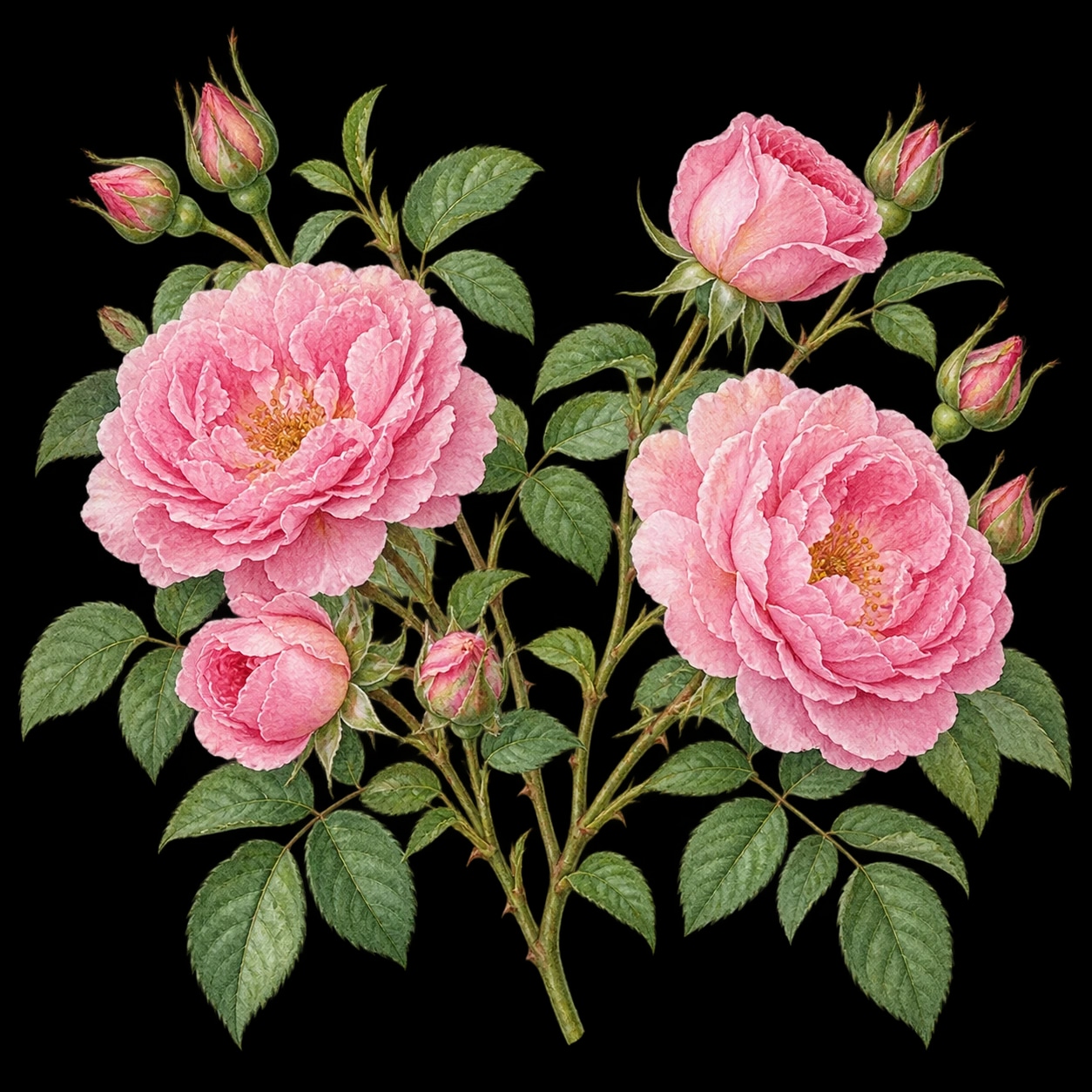
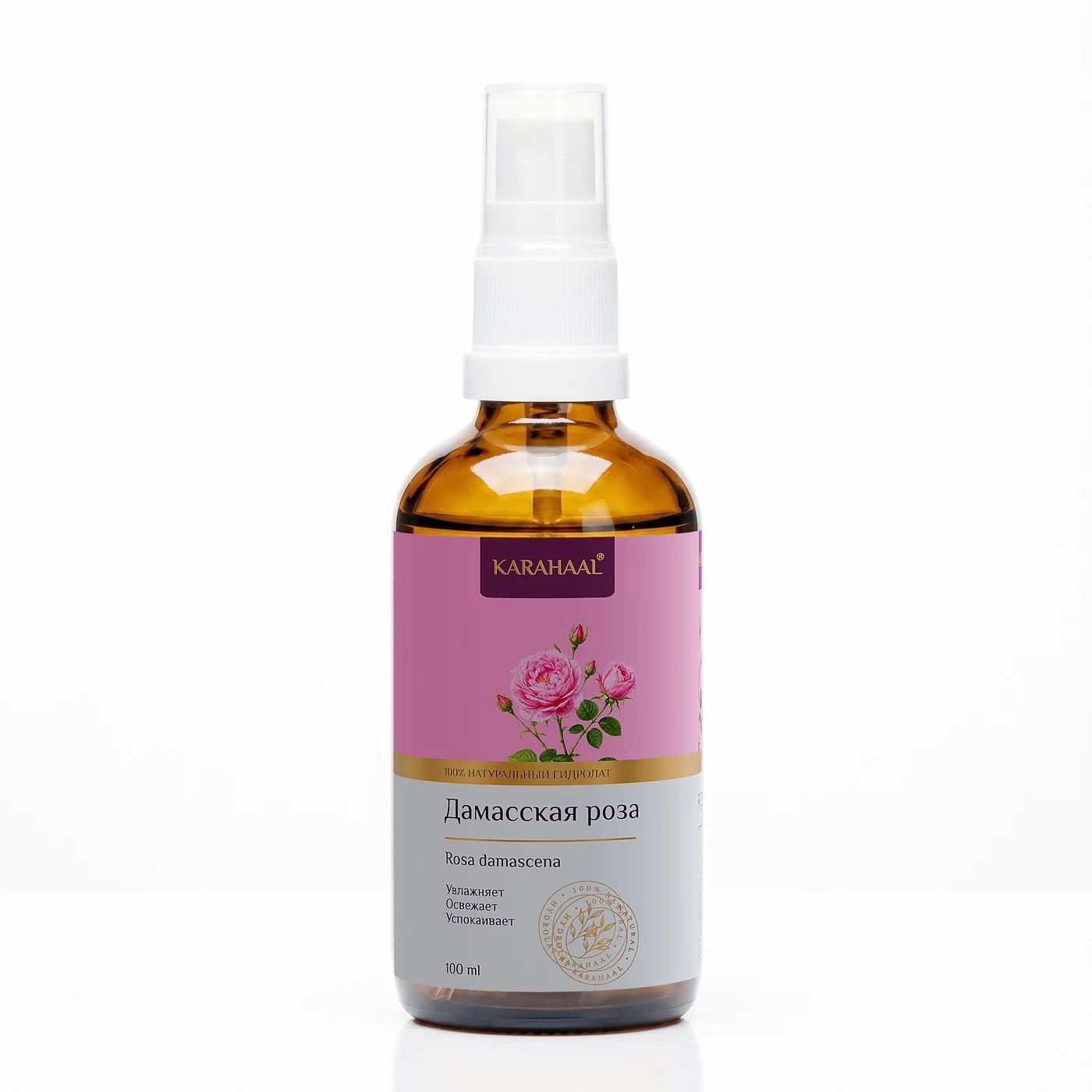
Rose and sandal create a soft floral-wood composition. Neroli preserves a more transparent floral character. Lavender is suitable for evening massage, bergamot enhances density. Vetiver and patchouli strengthen the deep base, so they are added sparingly.
Research in detail
Santalols and inflammatory signals in skin cells
In a co-culture of human keratinocytes and dermal fibroblasts, researchers modeled inflammatory stimulation using lipopolysaccharide. Sandalwood oils reduced the production of many measurable cytokines and chemokines. Isolated α- and β-santalols also influenced several of these markers and the formation of prostaglandin E2 and thromboxane B2. [1]
Herpes simplex viruses — laboratory study from 1999
The oil Santalum album was studied in cell culture with HSV-1 and HSV-2 viruses. In the presence of the oil, their replication was reduced; the result depended on concentration and was more pronounced for HSV-1. However, the oil did not show a direct virucidal effect in the test used. [2]
Three methods of care in a pilot study, 2006
In a pilot study with 34 palliative care patients, massage with Santalum album, massage with a single almond base, and sandalwood aroma through an aromatherapy stone were compared. Researchers were interested in anxiety and organization of further testing. [3]
How to use
Examples for adults. Quantities are given for the entire bottle; for one application, take a small portion of the mixture. These are aromatic therapy routines, not medicinal dosages.
- Simple blend for local massage: 1 drop of white sandalwood oil bio in 10 ml of jojoba. Mix in a clean bottle. Apply a small amount of the prepared blend to the shoulders or upper back and spread with gentle massage movements.
- Gentle evening blend: 1 drop of white sandalwood oil bio + 1 drop of true lavender essential oil in 20 ml of jojoba. Mix; use a small amount to gently massage the forearms or shoulders.
- Scenting without a diffuser: 1 drop on a paper towel or aromastone. Hold at a comfortable distance from the face, without touching the skin with the oil; several ordinary breaths are sufficient to assess the scent.
- “Bright Wood” blend: white sandalwood oil BIO — 1 drop; sweet orange oil — 1 drop; jojoba — 20 ml. Combine in a clean, dry bottle and mix. Use a small amount of the prepared blend to gently massage an adult’s shoulders or forearms, away from the face.
Precautions
Dilute in a carrier oil before applying to skin. Do not ingest or apply to mucous membranes; stop use if irritation occurs.
What to combine with this care
- Mandarin essential oil — Aromatic combination
- Vetiver essential oil — Aromatic combination
- KARAHAAL neroli essential oil — Aromatic combination
- Jojoba oil — Base for the oil recipes above
- Essential oil of sweet orange
Sources
- Suppression of lipopolysaccharide-stimulated cytokine/chemokine production in skin cells by sandalwood oils and purified α-santalol and β-santalol. 2014.
- Antiviral activity of sandalwood oil against herpes simplex viruses-1 and -2. 1999.
- Evaluating the effectiveness of aromatherapy in reducing levels of anxiety in palliative care patients: results of a pilot study. 2006.