Vetiver: restoration without haste
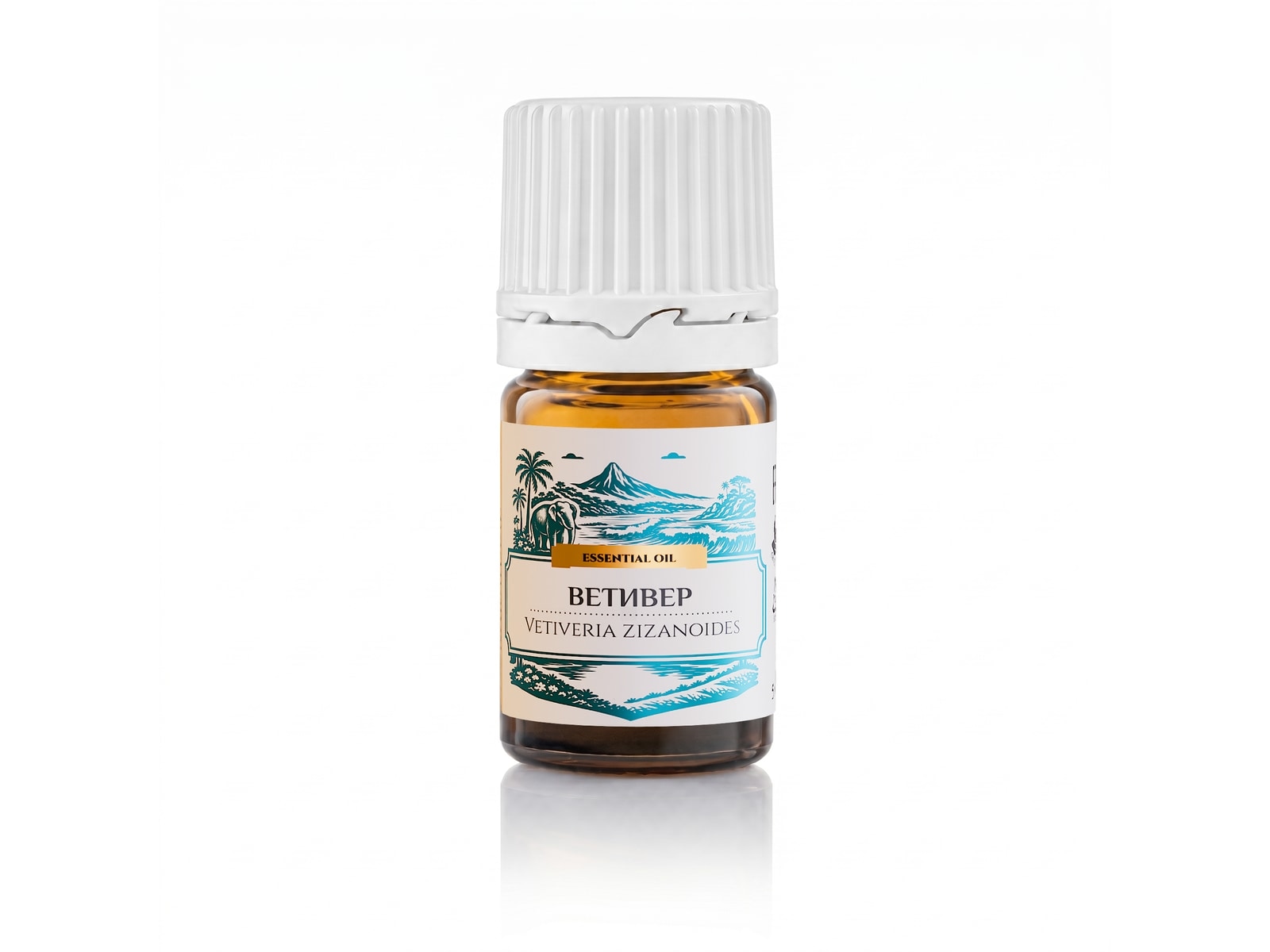
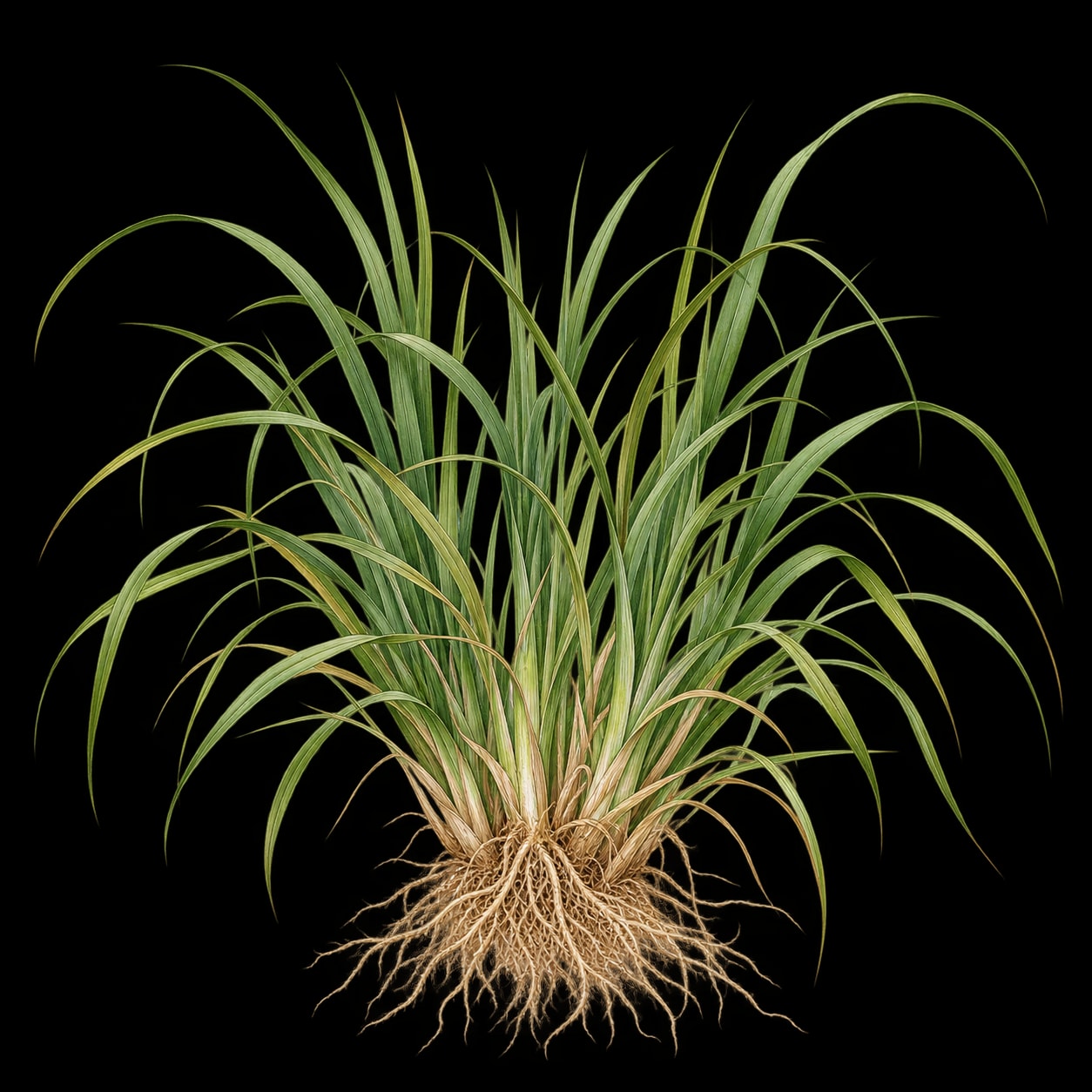
Vetiver is chosen when light fragrances fade quickly and a more lasting sense of calm is desired. The oil from the roots reveals earthy, smoky, and woody notes, gradually becoming softer. In aromatherapy, it is associated with recovery after emotional stress and returning focus to the body.
Nervous tension and focus
Vetiver is traditionally included in evening blends for restlessness and a sense of internal disarray. Its calm, slowly evolving scent pairs well with foot, hand, and shoulder massage. For this purpose, only a small amount is needed: excess vetiver makes the blend heavy and may interfere with relaxation.
Vetiver may be perceived as a calm and at the same time gathering aroma. In an experimental study, its inhalation influenced the sleep-wake balance and EEG indicators. For evening or daytime use, rely on your personal reaction to the scent. [1]
Daily and evening compositions
During the day, vetiver works well as a focus anchor: with orange it creates a clear, warm blend, and with rosemary it produces a more rigorous herbaceous-woodsy note. In the evening, lavender or sandalwood helps soften the profile. The choice depends on personal perception: if the scent invigorates, it is better suited for daytime use.
Massage after exercise
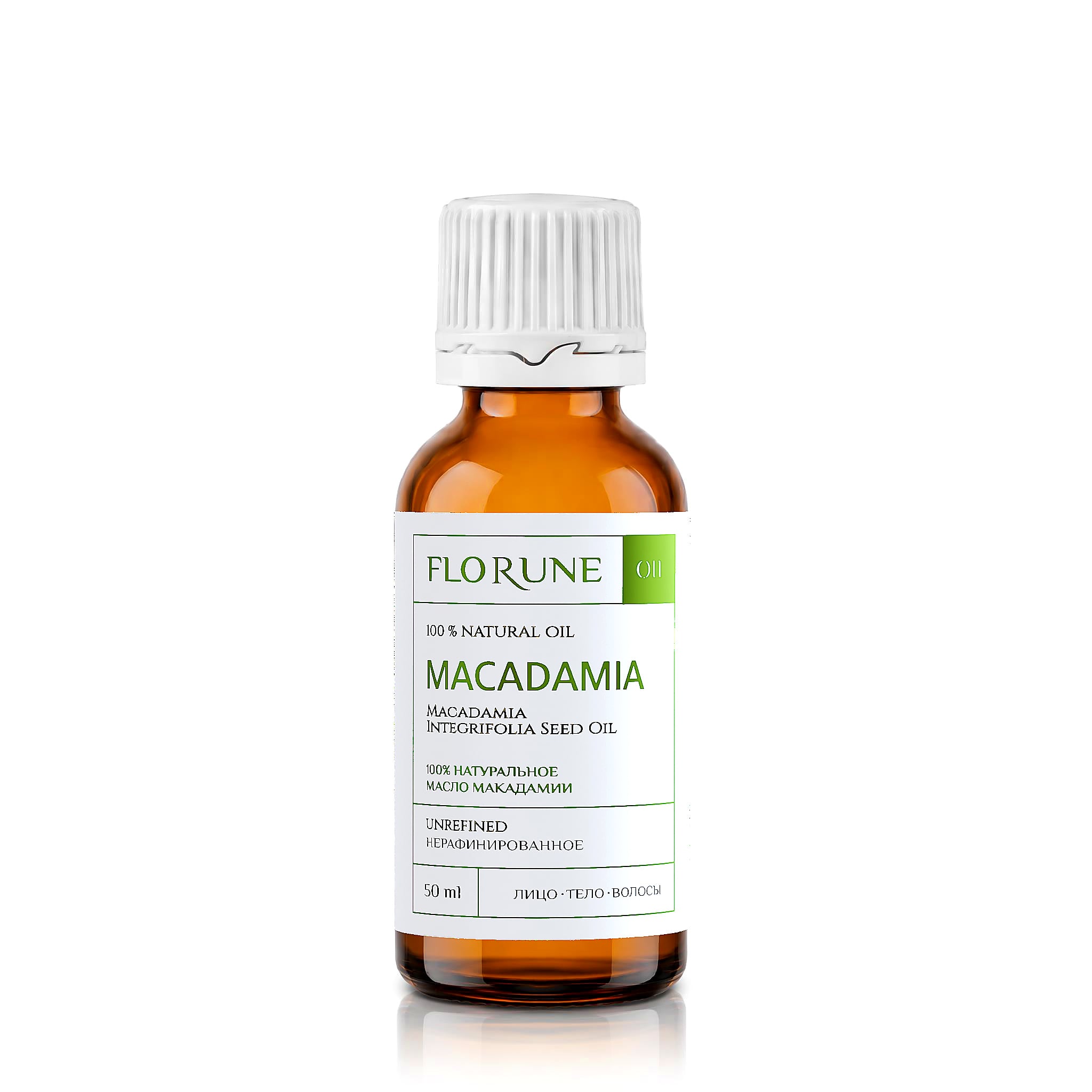
Vetiver is well suited for slow massage of tired legs and shoulders. Here, it is valued for its long-lasting calm and the ability to use a minimal aromatic dosage. A diluted mixture blends easily with neutral jojoba oil; the base itself provides smoothness and skin softening.
In perfumery, vetiver helps maintain the composition: it adds depth to citrus notes and a dry root contrast to sweet floral notes. It is also a convenient component in individual aromatherapy blends.
Blending suggestions
Orange lightens the earthy depth, lavender adds a soft herbal middle. Sandalwood extends the woody background, rose softens the smokeiness, and patchouli enhances the root-like character.
Research in detail
What sleep monitoring and EEG recordings showed
In an experimental study, the effect of vetiver aroma on sleep, wakefulness, and brain electrical activity was evaluated. Under the studied conditions, wakefulness increased and slow-wave sleep decreased. The authors considered the refreshing and activating nature of the response. [1]
How to use
Examples for adults. Quantities are given for the entire bottle; for one application, take a small portion of the mixture. These are aromatic therapy routines, not medicinal dosages.
- Simple blend for local massage: 1 drop of vetiver oil in 10 ml of jojoba. Mix in a clean bottle. Apply a small amount of the prepared blend to the shoulders or upper back and spread with gentle massage movements.
- Gentle evening blend: 1 drop of vetiver oil + 1 drop of true lavender essential oil in 20 ml of jojoba. Mix; use a small amount to gently massage the forearms or shoulders.
- Scenting without a diffuser: 1 drop on a paper towel or aromastone. Hold at a comfortable distance from the face, without touching the skin with the oil; several ordinary breaths are sufficient to assess the scent.
- “Roots and Wood” blend: vetiver oil — 1 drop; white sandalwood oil BIO — 1 drop; jojoba — 20 ml. Combine in a clean, dry bottle and mix. Use a small amount of the prepared blend to gently massage an adult’s shoulders or forearms, away from the face.
Precautions
Dilute in a carrier oil before applying to skin. Do not ingest or apply to mucous membranes; stop use if irritation occurs. Save the relaxing ritual for a time when you will not need to drive.
What to combine with this care
- “Provence” lavender essential oil — Aromatic combination
- Essential oil of sweet orange — Aromatic combination
- White sandalwood essential oil BIO — Aromatic combination
- Jojoba oil — Base for the oil recipes above