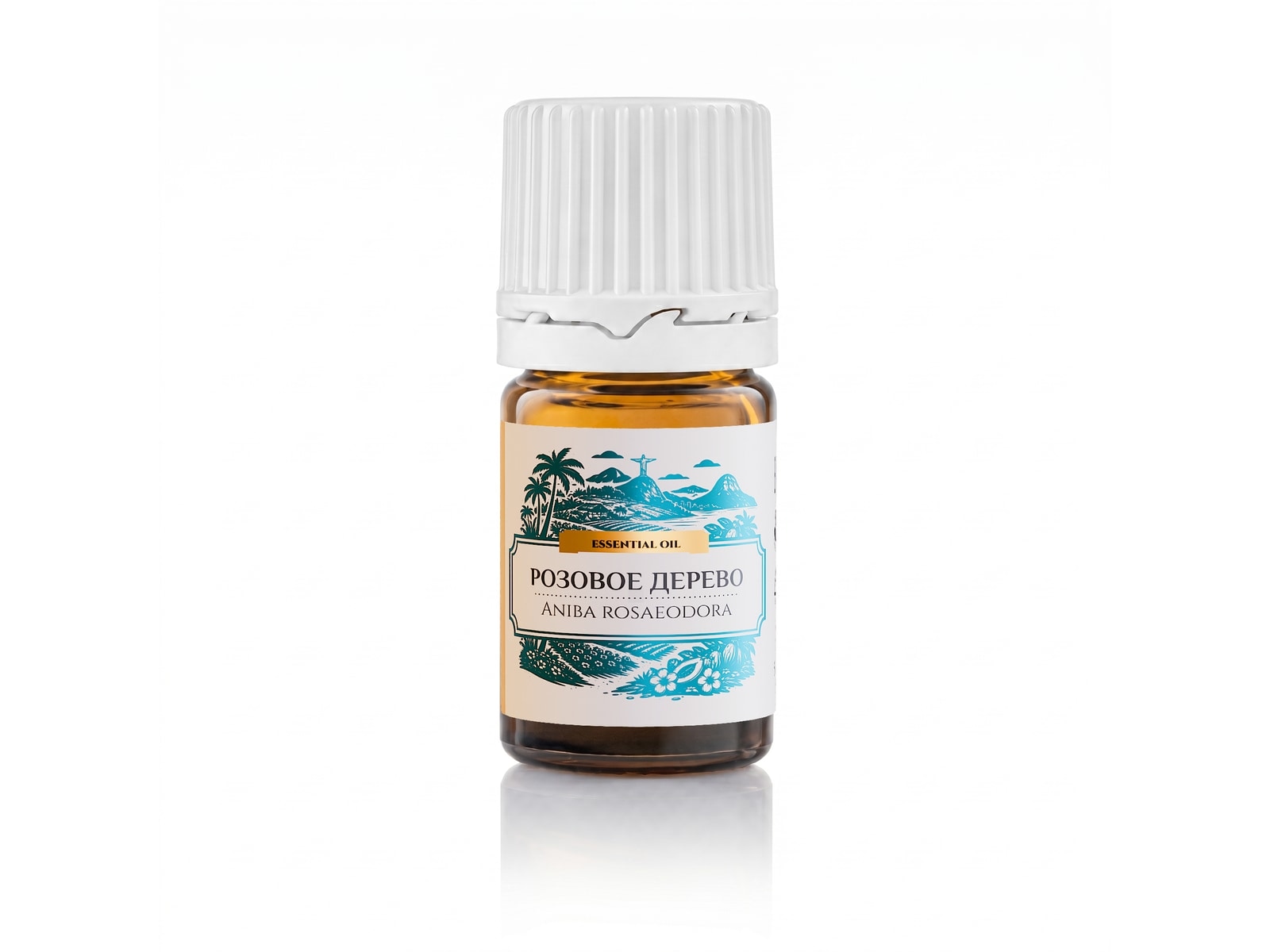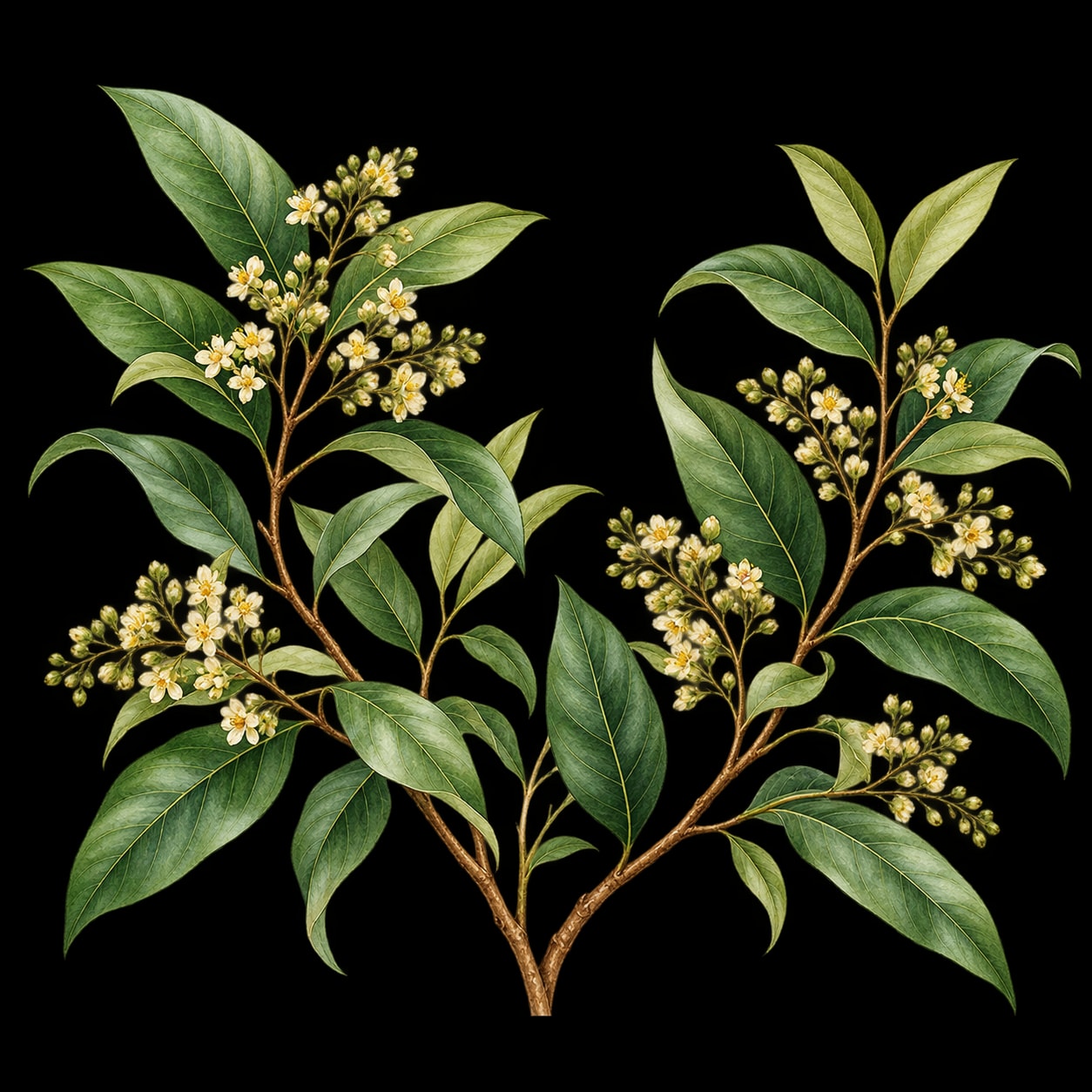
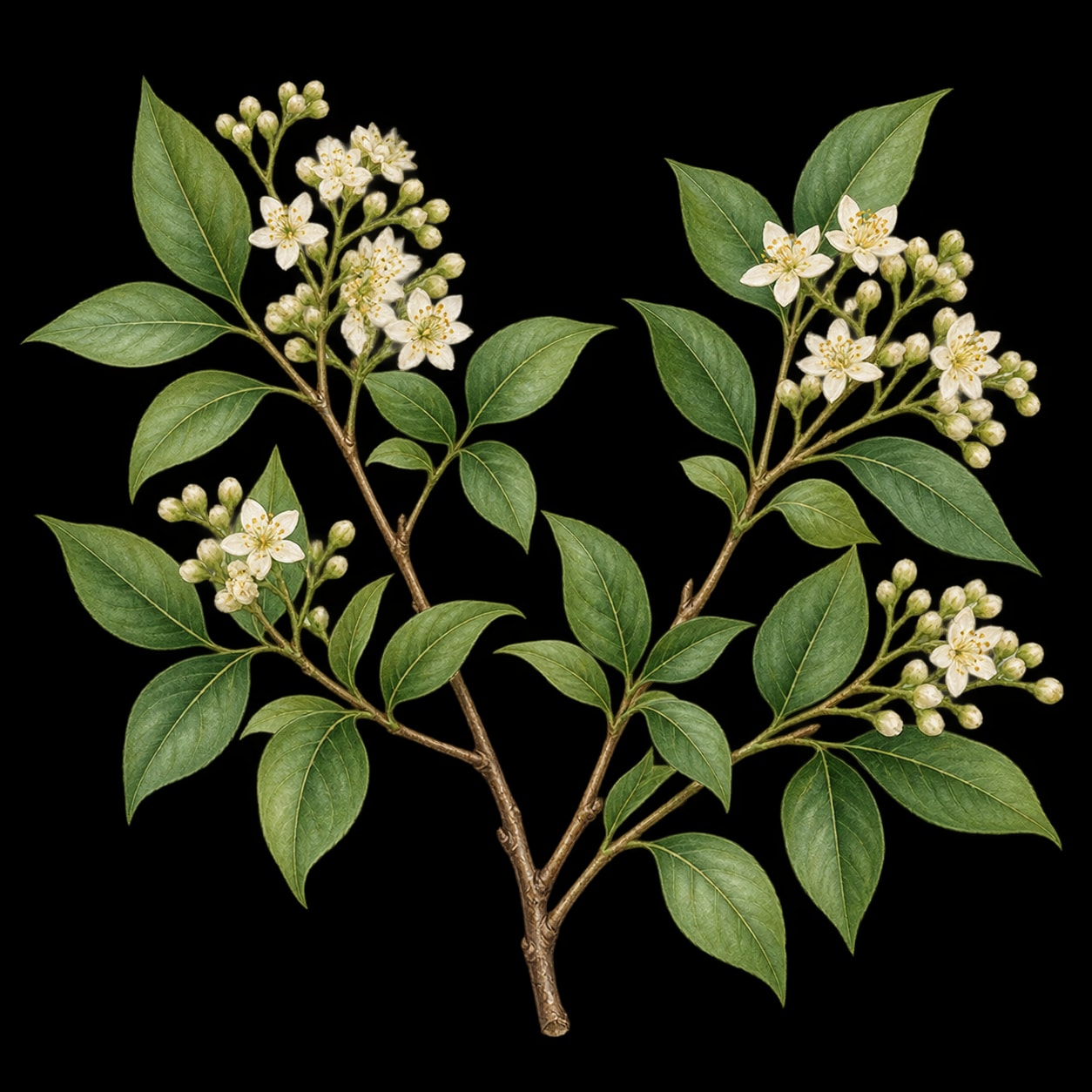
Amyris: calmness, gentle massage, and woody stability
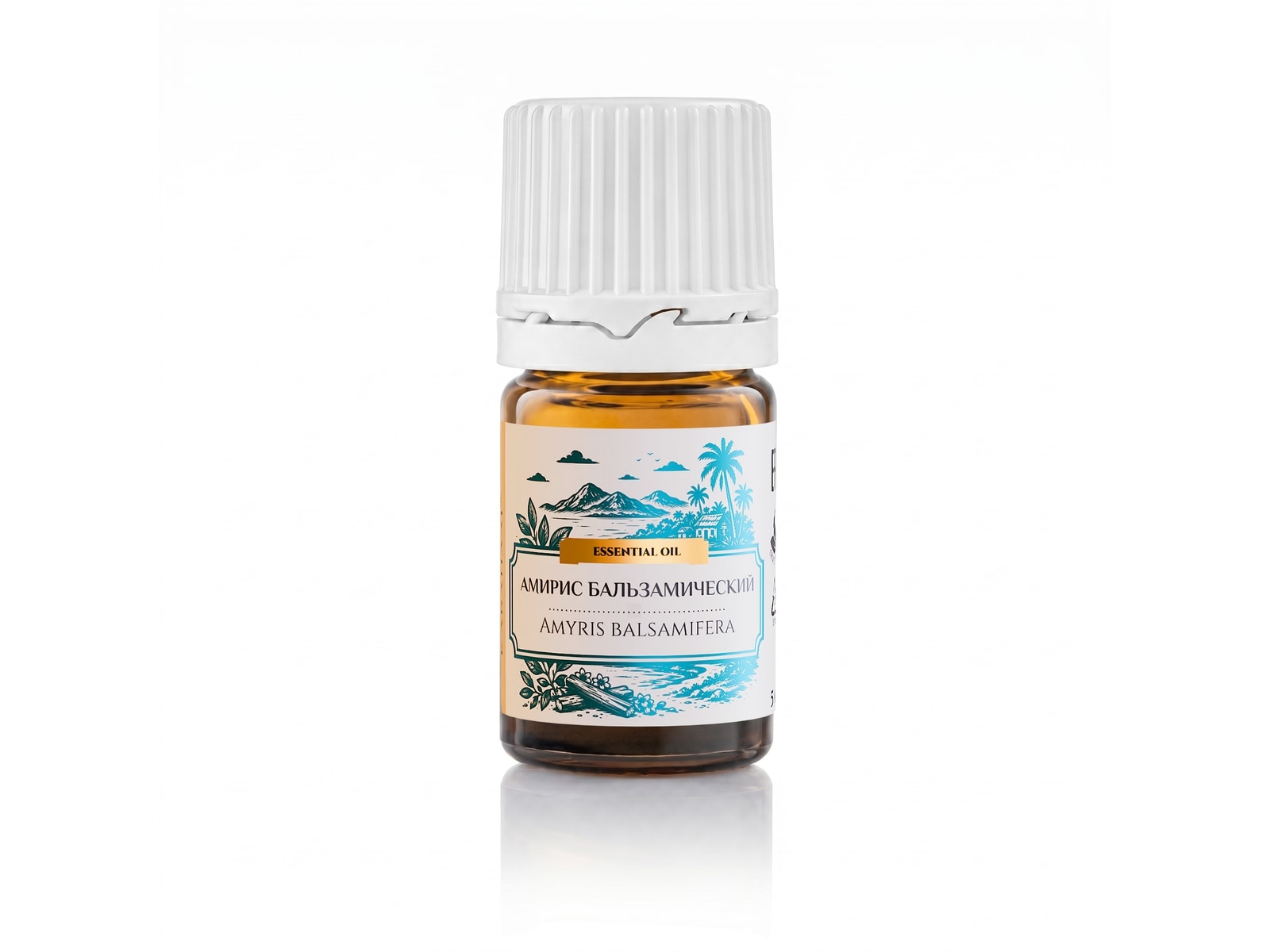
Amyris is chosen for relaxation after a busy day when bright scents seem overwhelming. Its aroma is smooth, warm, and resinous-balsamic. Unlike quickly fading citrus notes, it unfolds slowly and remains noticeable in small amounts.
Relaxation and emotional recovery
In aromatherapy, amyris is included in blends for internal stress, irritability, and difficulty transitioning to rest. This application is linked to its gentle scent and the tradition of evening wood-based compositions. Amyris is particularly suitable for massage of fingers, feet, and shoulders: its aroma does not require strong intensity to be present during the procedure.
Amyris is conveniently included in evening compositions when one wishes to reduce sensory intensity and transition into relaxation. Its gentle woody tone pairs well with slow massage and a calm atmosphere.
Skin care
Amyris can be included in diluted aromatic blends for dry skin. The primary softening effect of such a formula is provided by the carrier oil, while Amyris adds a lasting warm aroma. For sensitive skin, a low intensity and a simple formula with few essential components are preferred.
What has been studied separately
In laboratory tests, Amyris balsamifera repelled ticks of two species from treated surfaces. The response depended on the species and time after application. This area of repellent development; home perfumery mixtures do not have established protection against bites and tick-related infections. [1]
How to create a calm composition
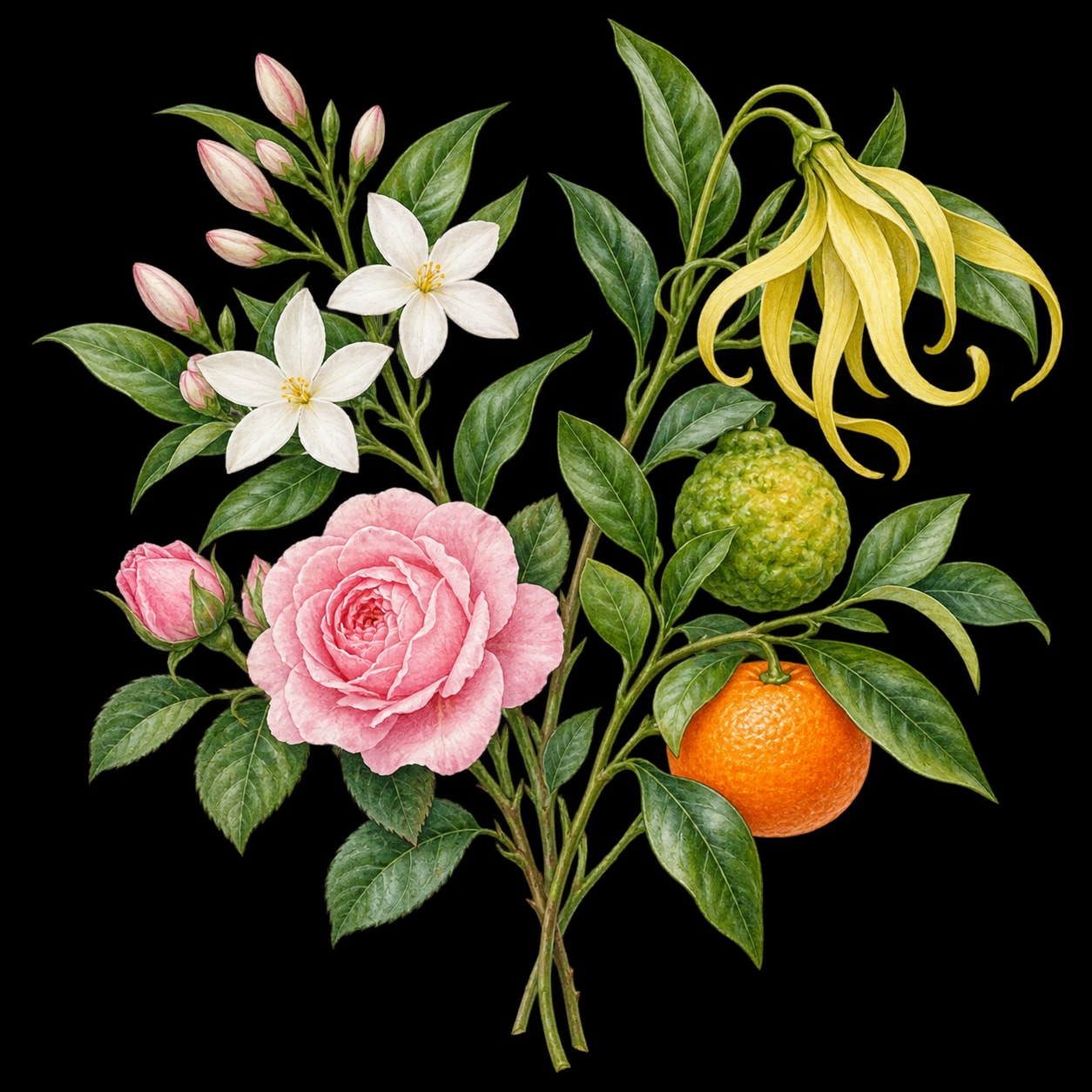
Lavender supports the evening note, mandarin adds a light sweetness, rose opens the floral heart. Vetiver deepens and dries the blend; patchouli enhances the earthy-balsamic character. Amyris can perform a similar perfumery role with sandalwood, but remains a different plant and a different oil.
Blending suggestions
Lavender and mandarin create a soft evening accord. Rose adds floral warmth, patchouli brings balsamic depth, and vetiver provides a dry root base.
Research in detail
Repellent potential in laboratory tests
The oil Amyris balsamifera was tested against two species of ticks using treated paper and fabric strips. In these models, a repellent effect was observed, depending on the tick species, the amount of material, and the time after treatment. The study is interesting for the development of repellents. A self-prepared aromatic mixture does not provide the established protection against tick infections. [1]
How to use
Examples for adults. Quantities are given for the entire bottle; for one application, take a small portion of the mixture. These are aromatic therapy routines, not medicinal dosages.
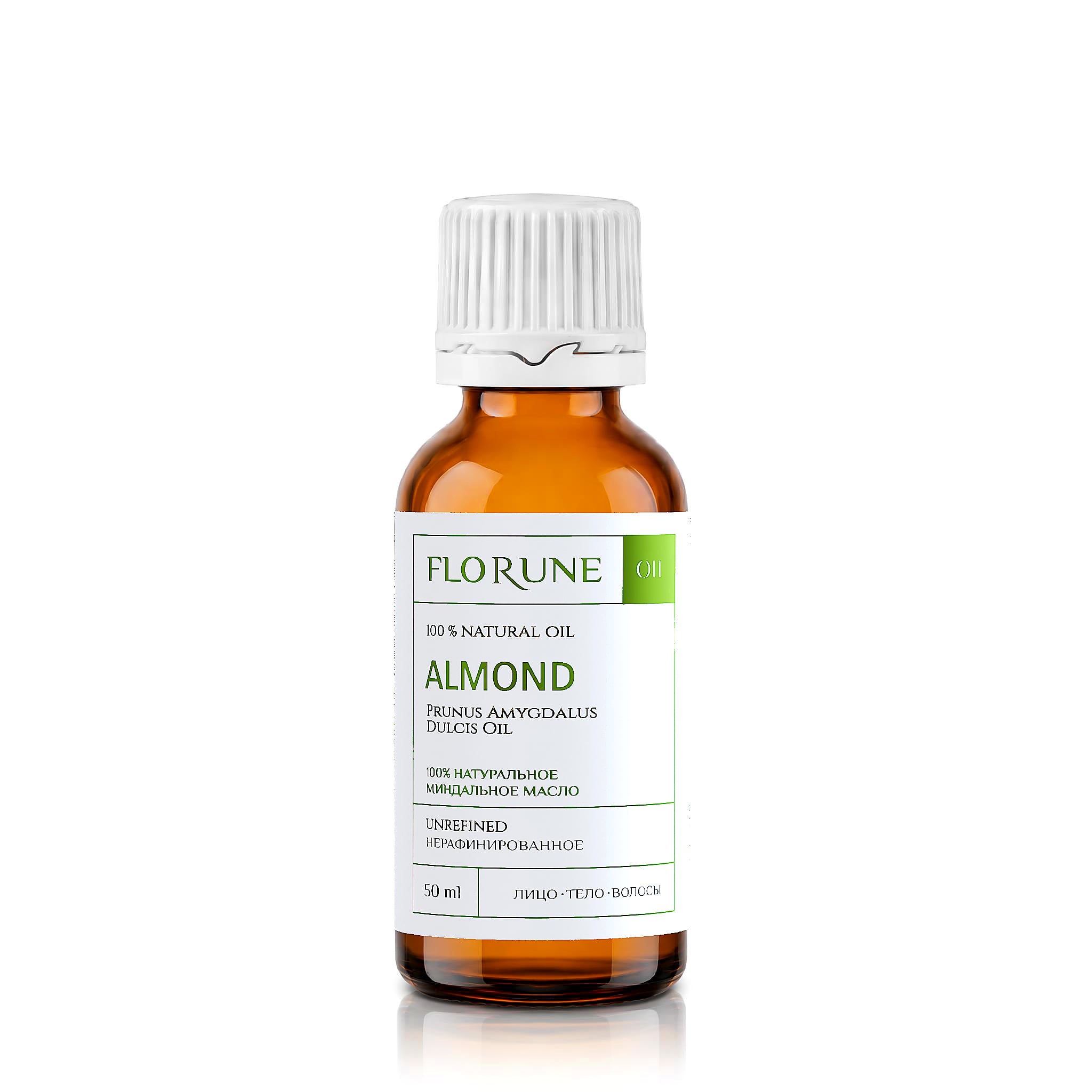
- Simple blend for a local massage: 1 drop of amyris essential oil in 10 ml of jojoba. Mix in a clean bottle. Apply a small amount of the finished blend to the shoulders or upper back and spread gently with massage movements.
- Gentle evening blend: 1 drop of amyris oil + 1 drop of true lavender essential oil in 20 ml of jojoba. Mix; use a small amount to gently massage the forearms or shoulders.
- Scenting without a diffuser: 1 drop on a paper towel or aromastone. Hold at a comfortable distance from the face, without touching the skin with the oil; several ordinary breaths are sufficient to assess the scent.
- “Balsamic Citrus” blend: amyris essential oil — 1 drop; mandarin essential oil — 1 drop; jojoba — 20 ml. Combine in a clean, dry bottle and mix. Use a small amount of the finished blend for a gentle massage of an adult's shoulders or forearms, away from the face.
Precautions
Dilute in a carrier oil before applying to skin. Do not ingest or apply to mucous membranes; stop use if irritation occurs.
What to combine with this care
- “Provence” lavender essential oil — Aromatic combination
- Mandarin essential oil — Aromatic combination
- Vetiver essential oil — Aromatic combination
- Jojoba oil — Base for the oil recipes above