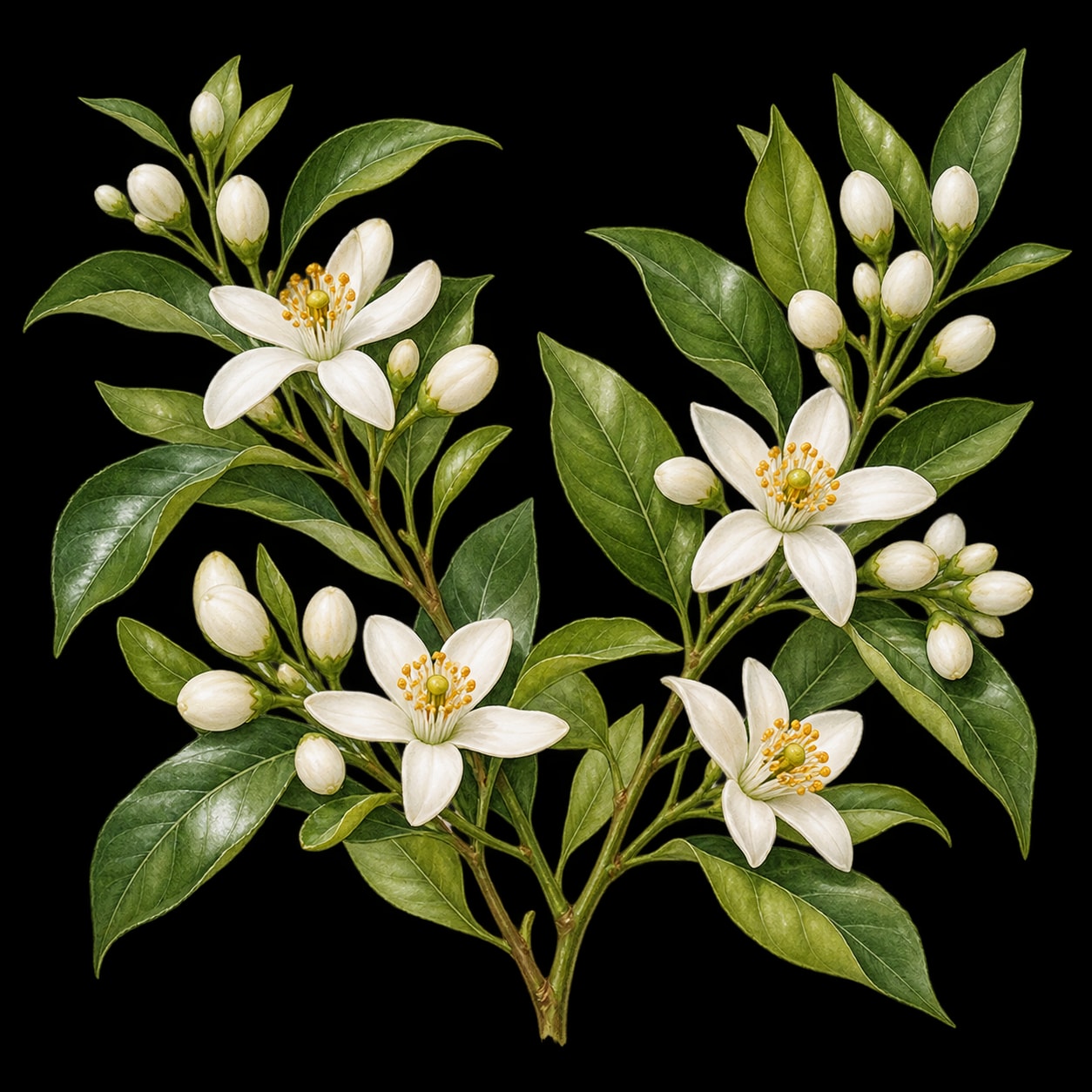
Neroli: emotional tension, feminine well-being, and delicate floral care
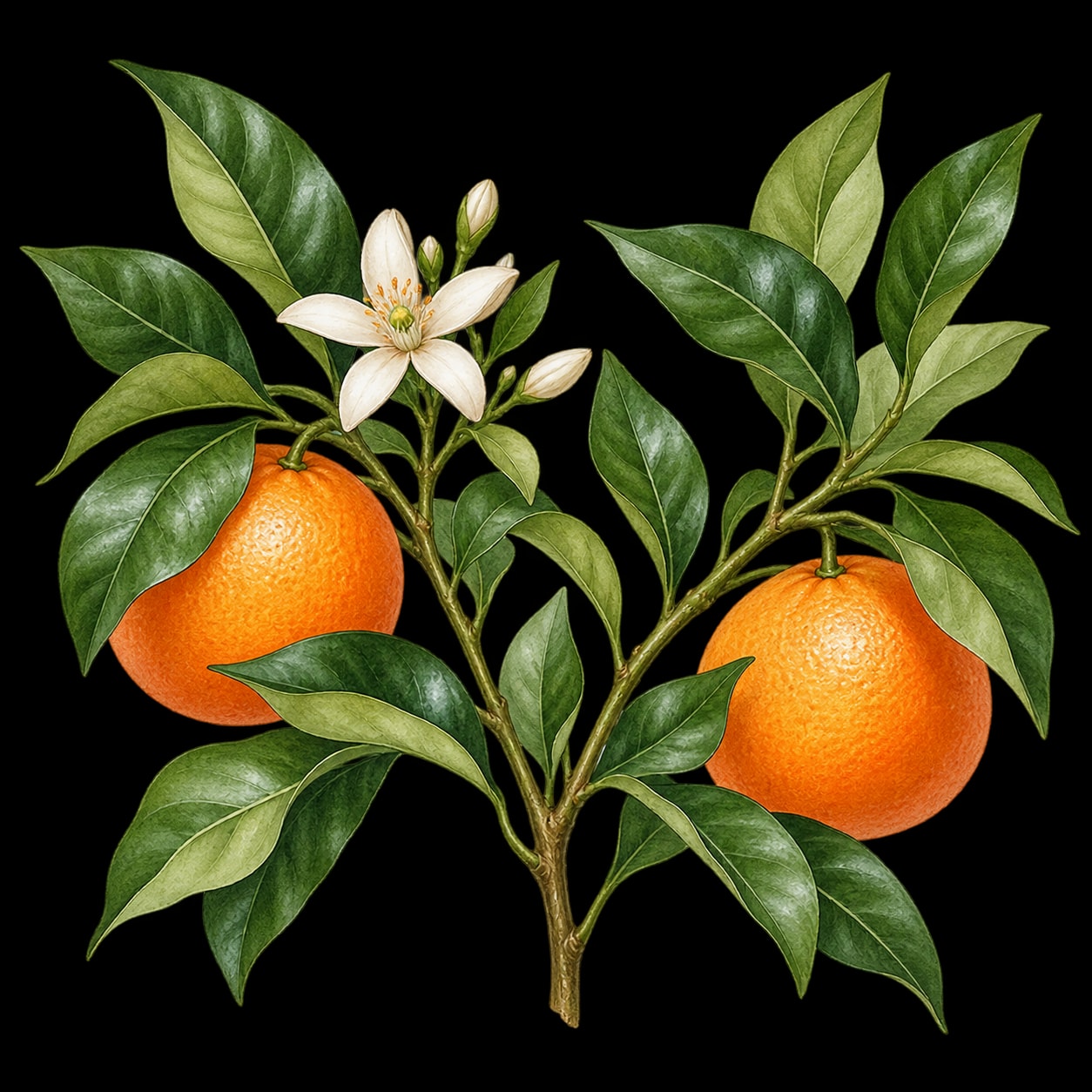
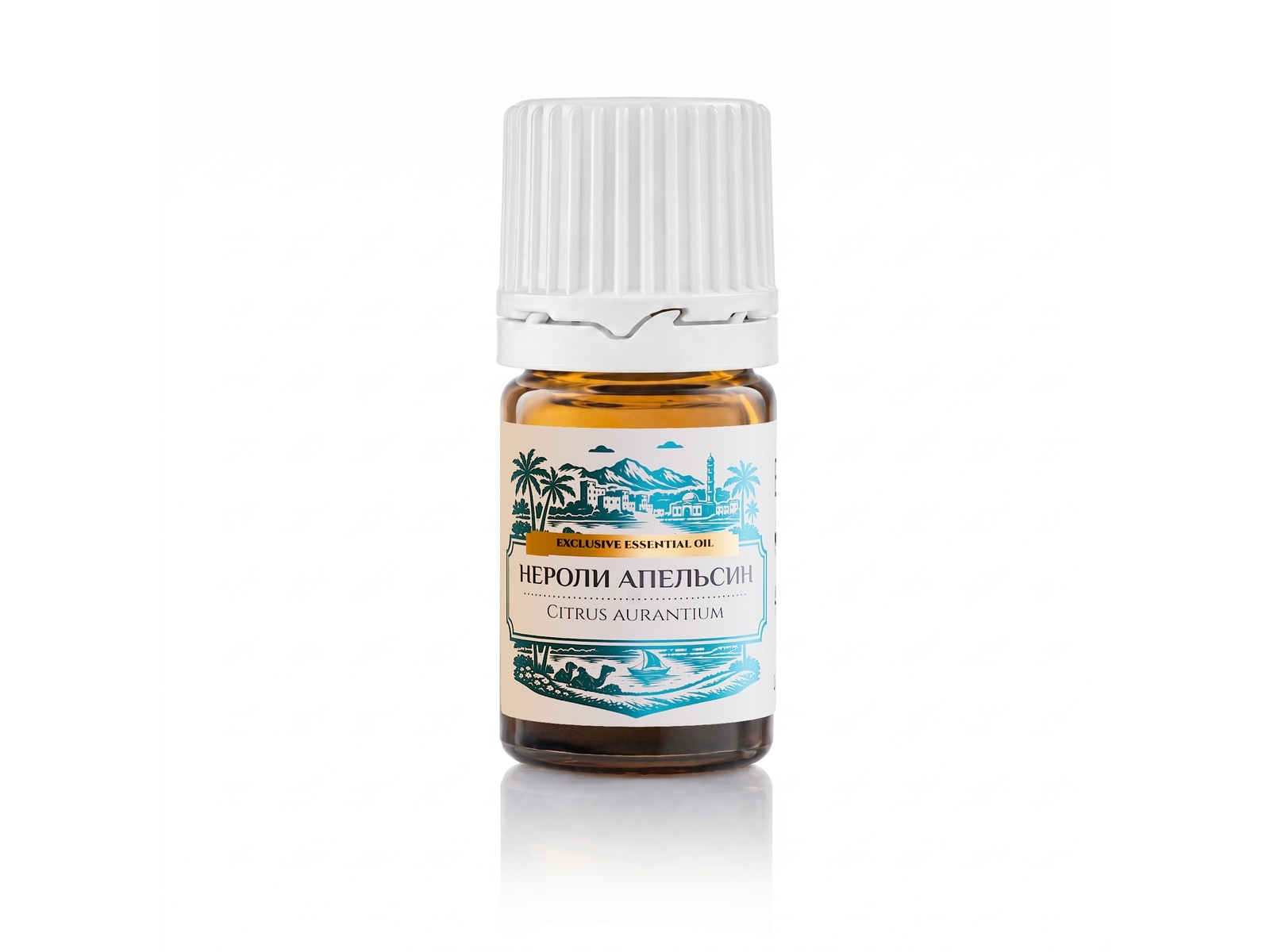
Neroli is extracted from the flowers of bitter orange. This light floral aroma with green notes and citrus freshness is chosen for relaxation and gentle emotional support. It clearly differs from peel oil and from petitgrain derived from leaves.
Well-being after menopause
In a randomized study of 63 postmenopausal women, two dilutions of neroli and a control oil were compared. In the neroli groups, improvements in physical well-being according to the questionnaire and subjective sexual desire were observed; changes in blood pressure were also noted. [1]
In this study, changes in hormonal markers were only trends. Primary focus was placed on well-being, stress perception, and bodily comfort among participants.
Anxiety and tension
In aromatherapy tradition, neroli is used for restlessness, emotional exhaustion, and difficulty relaxing. Its delicate freshness is suitable for those overwhelmed by heavy, sweet floral scents. A mild intensity is sufficient for introduction: a small amount of neroli already imparts character to the blend.
Sensory massage
Neroli blends well with a calm touch and a gentle oil base. Sandalwood extends the floral softness, mandarin adds lightness, and rose deepens the composition. This fragrance is ideal for a calm body care routine and self-awareness.
Cosmetic use
In aromatherapy, neroli is traditionally included in formulas for dry and sensitive skin. For very reactive skin, even a gentle floral component may be excessive: a small portion and a simple formula are chosen. The oil is not applied undiluted to irritated areas.
When prone to low blood pressure, the fragrance should be introduced gradually, taking into account individual reaction.
Blending suggestions
Sandalwood provides a soft, long-lasting base, lavender adds a calming herbal background. Mandarin lightens the composition, while rose and geranium enhance the floral center.
Research in detail
Neroli and well-being after menopause
In a randomized study with 63 women, short inhalation procedures of neroli essential oil and a control oil were compared. The authors noted improvements in certain physical well-being and subjective sexual desire indicators, as well as changes in blood pressure. For some hormonal markers, only trends were observed. [1]
How to use
Examples for adults. Quantities are given for the entire bottle; for one application, take a small portion of the mixture. These are aromatic therapy routines, not medicinal dosages.
- Simple blend for local massage: 1 drop of neroli oil in 10 ml of jojoba. Mix in a clean bottle. Apply a small amount of the prepared blend to the shoulders or upper back and spread with gentle massage movements.
- Gentle evening blend: 1 drop of neroli oil + 1 drop of true lavender essential oil in 20 ml of jojoba. Mix; use a small amount to gently massage the forearms or shoulders.
- Scenting without a diffuser: 1 drop on a paper towel or aromastone. Hold at a comfortable distance from the face, without touching the skin with the oil; several ordinary breaths are sufficient to assess the scent.
- “Flowers and Sandalwood” blend: neroli oil — 1 drop; white sandalwood oil BIO — 1 drop; jojoba — 20 ml. Combine in a clean, dry bottle and mix. Use a small amount of the prepared blend to gently massage an adult’s shoulders or forearms, away from the face.
Precautions
Dilute in a carrier oil before applying to skin. Do not ingest or apply to mucous membranes; stop use if irritation occurs.
What to combine with this care
- “Provence” lavender essential oil — Aromatic combination
- Mandarin essential oil — Aromatic combination
- White sandalwood essential oil BIO — Aromatic combination
- Jojoba oil — Base for the oil recipes above