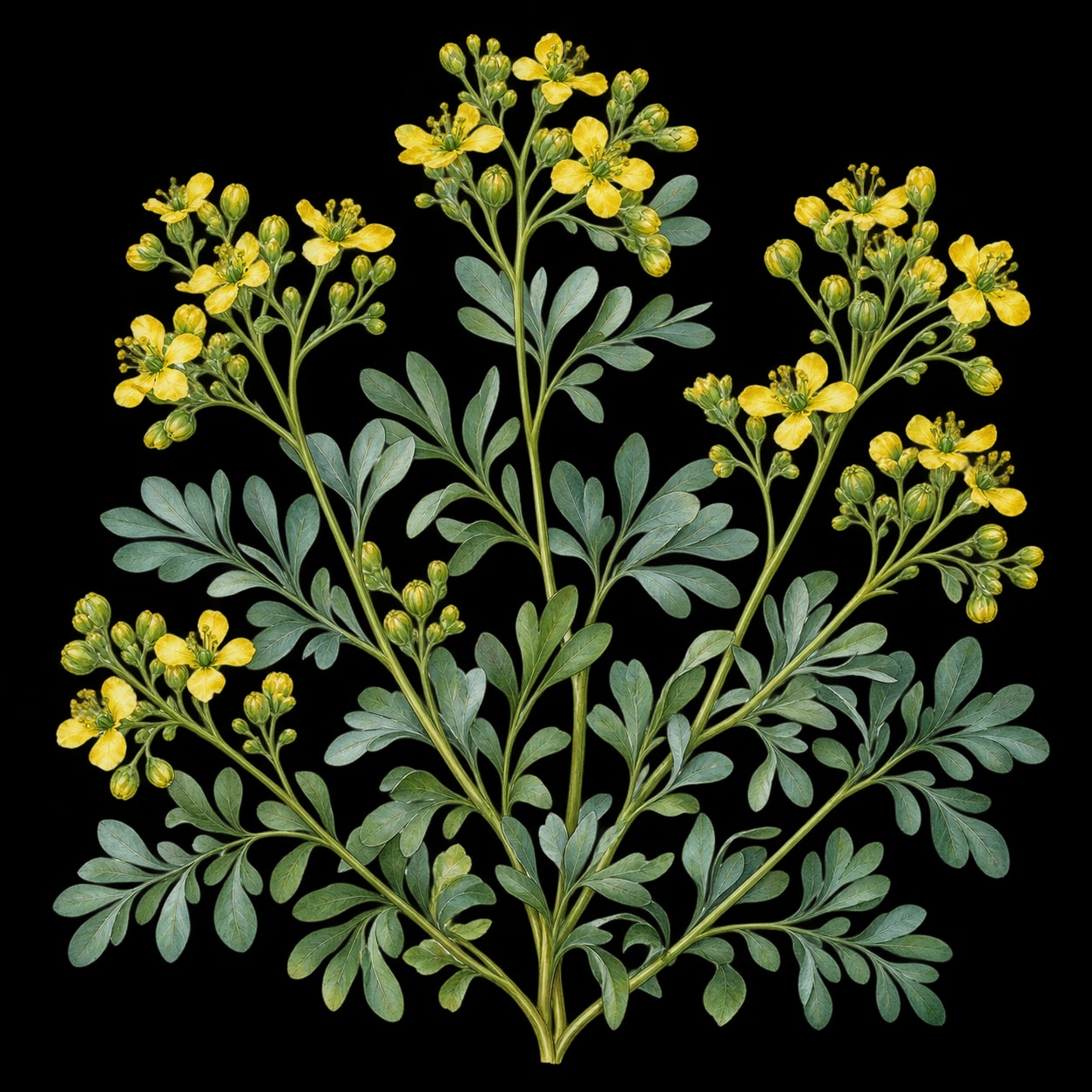
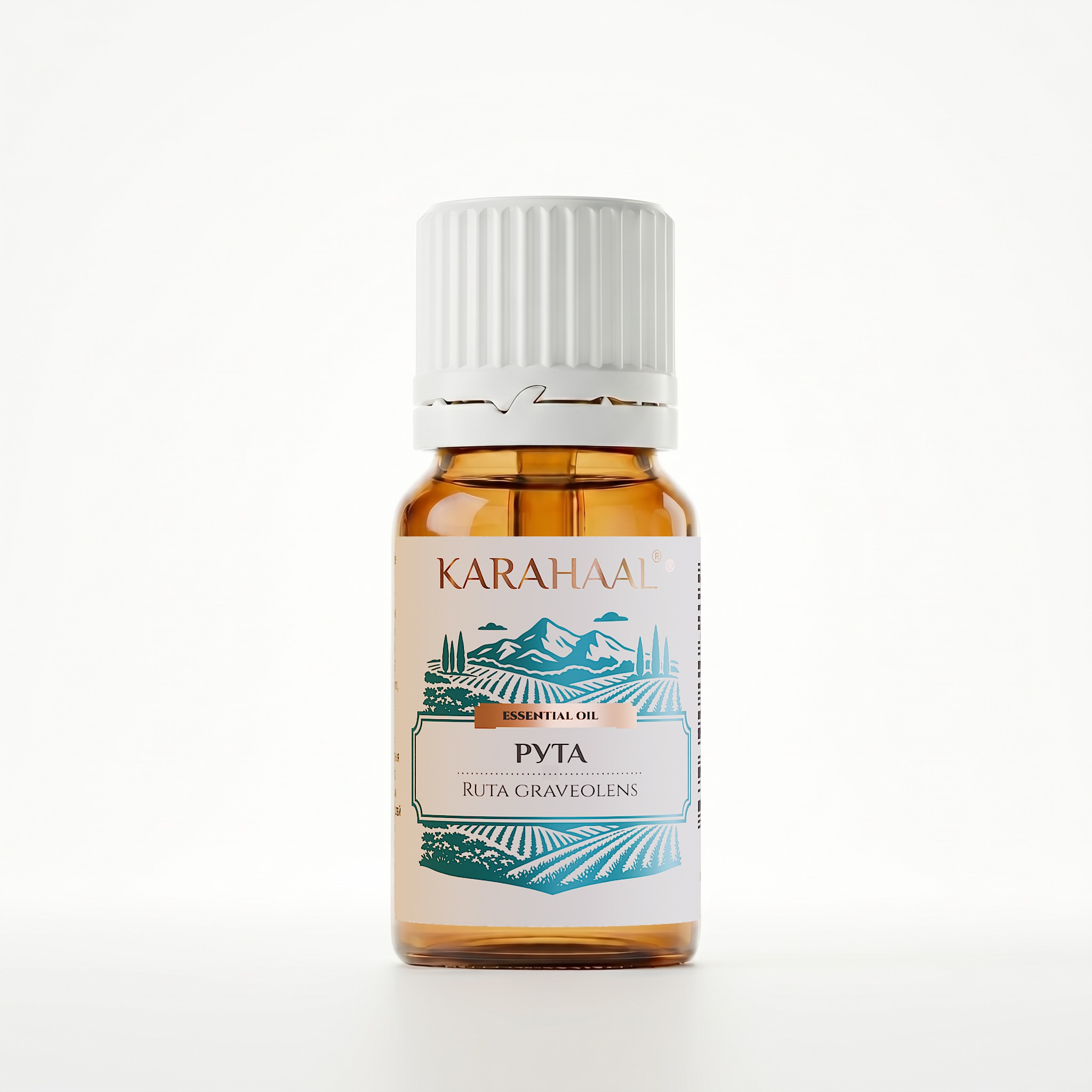
Rue: antifungal potential and special requirements for use
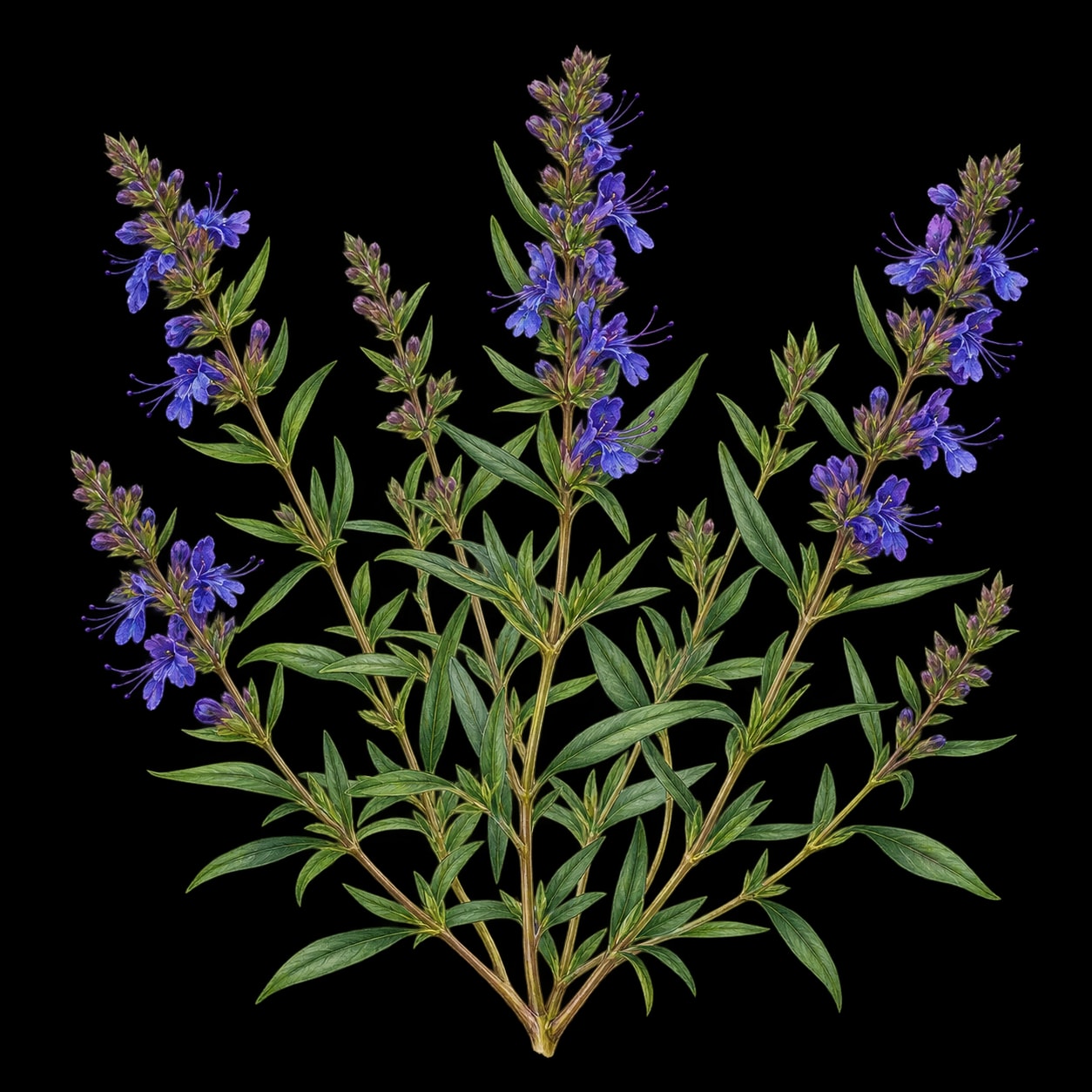
Rue has a sharp bitter-herbal aroma and belongs to materials requiring professional handling. Its scientific interest is also linked to its effects on fungal cells and biofilms.
Candida: differences between species
In a study of Ruta graveolens essential oil, several clinical Candida isolates were examined. Growth inhibition was observed for some species, while cell death was noted for others. This highlights an important distinction between fungistatic and fungicidal responses. [1]
Membrane and biofilm damage
The authors found disruption of membrane integrity and leakage of intracellular contents. The effect on formed biofilm and combination with amphotericin B was also studied. These results reveal the potential for developing antifungal formulations, especially in the context of drug resistance. [1]
Clinical isolates—strains isolated from biological samples—were used. Their sensitivity to rue essential oil was tested under laboratory conditions.
Aromatic role
In perfumery, rue can serve as an unusual bitter green accent. It does not belong to the category of universal calming essential oils and requires precise dosing to avoid overpowering other notes. Pairing partners depend on the composition and form of the specific raw material.
Why there is no massage recipe here
Rue essential oil requires special caution due to toxicological and reproductive risks, as well as potential phototoxicity. It should not be taken internally, applied to mucous membranes, or used independently during pregnancy or for children. Professional formulation is required for external use.
Blending suggestions
Perfumery blends and ratios are individually selected based on the material's characteristics; universal home mixtures for skin are not offered.
Research in detail
Rue and resistant fungal cultures
In the laboratory study, Ruta graveolens essential oil was tested on cultures of several Candida species isolated from clinical samples. Depending on the species, growth inhibition, membrane damage, and biofilm effects were observed. The combination with amphotericin B was also studied. Rue requires professional use with consideration of toxicological limitations. [1]
How to use
Examples for adults. Quantities are given for the entire bottle; for one application, take a small portion of the mixture. These are aromatic therapy routines, not medicinal dosages.
- Material for individually tailored professional blends. Do not apply concentrate to skin, mucous membranes, or damaged areas; do not ingest. No home therapeutic regimen is recommended with this product.
Precautions
Rue requires professional assessment because of its toxicological profile and possible phototoxicity. Do not ingest, apply the concentrate to skin or use in homemade therapeutic blends. Do not use during pregnancy or for children.