Citronella: insect protection, deodorization, and antimicrobial potential
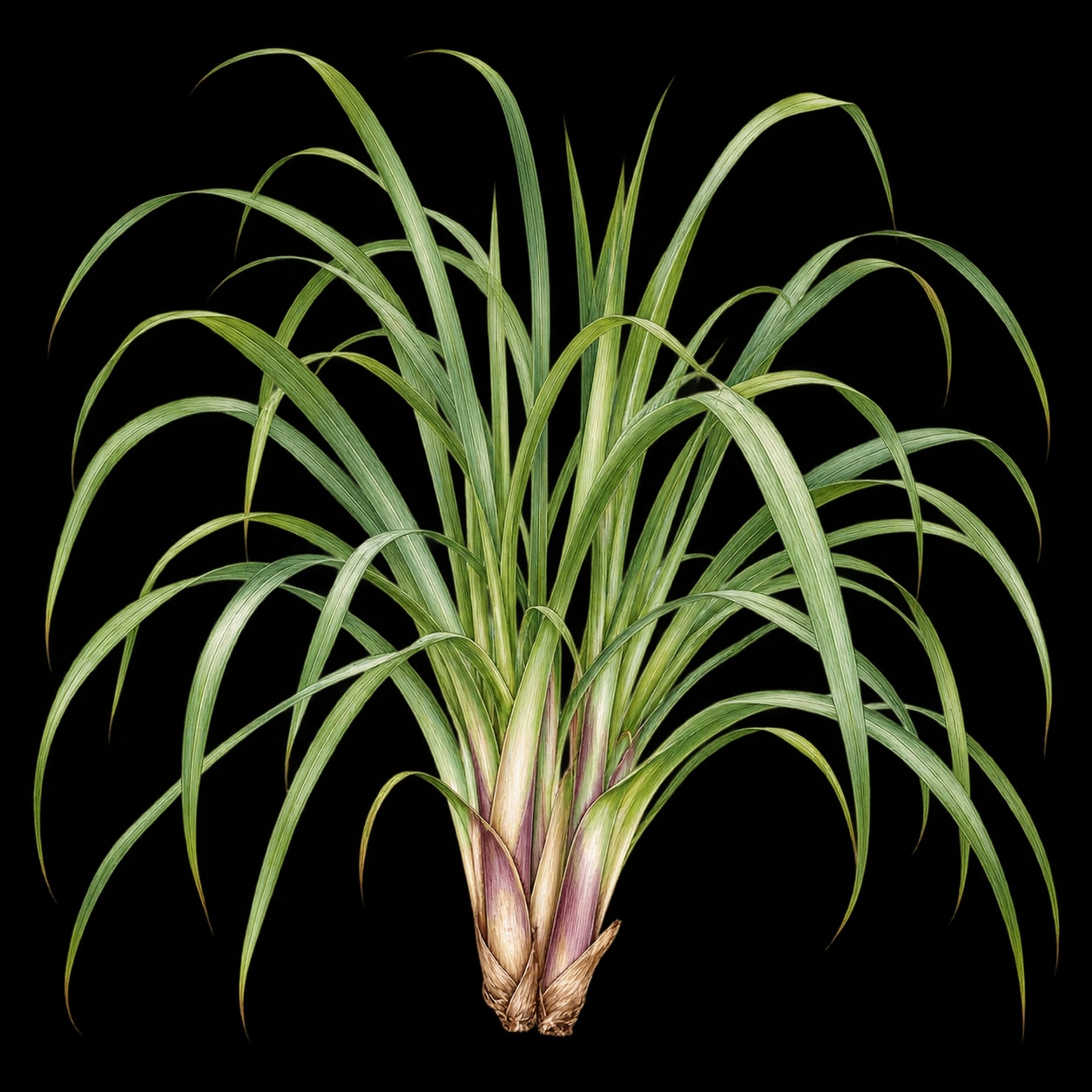
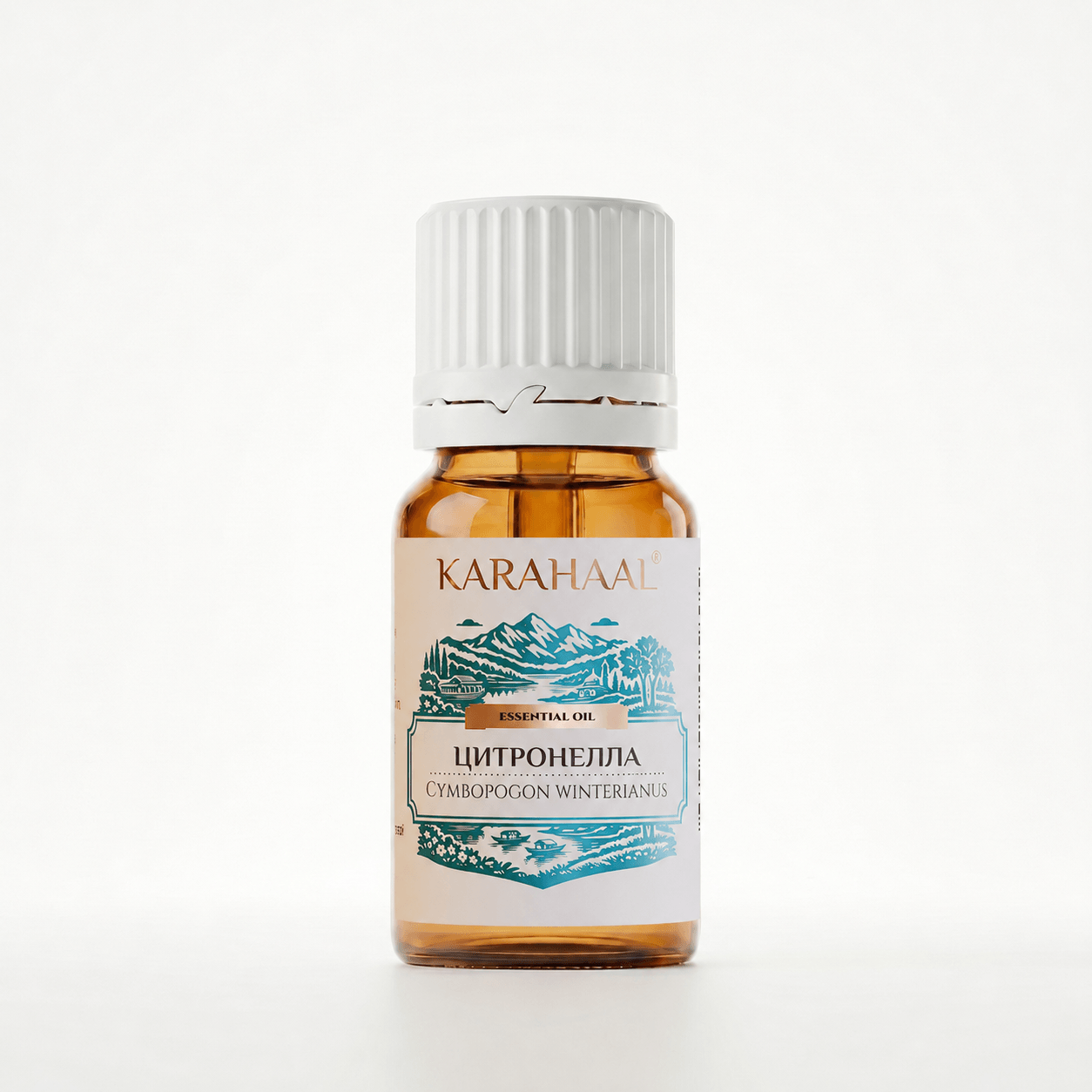
Citronella essential oil Cymbopogon winterianus is recognized for its intense lemon freshness with herbaceous and slightly rose notes. It is widely used in summer blends, repellent products, and body care formulations. The plant also has a deeper pharmacological aspect: essential oil has been studied in antifungal, anti-inflammatory, and analgesic models.
Therapeutic and practical properties
Repellent action
Citronella is part of insect-repelling products. Its volatile components alter the chemical signals insects use to detect a host. The practical effect depends on concentration, evaporation rate, and the overall formulation. Comparisons of ready-made repellents have shown that the duration of protection varies significantly among different products. [1]
Citronella is conveniently used as a component of summer scents on a terrace or indoors. For insect bite protection, choose a registered repellent with specified duration of action, especially in regions where insects carry infections. For homemade aromatic blends, the duration of protection is unknown.
Antifungal activity
Citronella oil C. winterianus was tested on 15 strains Candida albicans. Depending on concentration, it either inhibited fungal cell growth or caused fungal cell death. This makes it an interesting raw material for developing antifungal and deodorizing formulations. [2]
In household cosmetics, the most appropriate use is care for intact foot and body skin when diluted. The lemon-herb scent helps create a sense of cleanliness, and the volatile fraction presents independent microbiological interest. Research formulations are not used as recipes for mucous membranes or self-treatment of candidiasis.
Anti-inflammatory and analgesic properties
In an experimental study, citronella leaf oil reduced individual pain reactions and neutrophil migration to the site of inflammation. The expression of the response depended on the test used. The study reveals the anti-inflammatory and analgesic potential of the oil. [3]
In aromatherapy care, citronella can be used in refreshing massage blends after physical exertion. It is best used as a bold accent, balanced with lavender and wood oils: excessive concentration of aldehyde-alcohol oil increases the risk of skin irritation.
Emotional character
Citronella creates an active, clear, summer-like aroma. It is suitable for replacing the feeling of dampness and heaviness, for a fresh workspace, or for a vibrant composition after a walk. This is a sharper, herbaceous note compared to the sweet lemon scent of lemongrass; in gentle evening blends, its amount is typically kept small.
Blending suggestions
Lavender softens the sharp herbaceousness. Geranium supports the pink note; cedar and patchouli add a stable base. Sweet orange makes the summer scent more fruity. In combination with lemongrass, both lemon-herb notes quickly become intense, so start with a small amount.
Research in detail
Candida albicans: study of fifteen strains
In a study published in the Brazilian Journal of Microbiology, researchers obtained C. winterianus essential oil via hydrodistillation and examined its effects on 15 strains of C. albicans. They assessed the minimum inhibitory concentration, antifungal activity, and changes in viable cell numbers over time. [2]
Inflammatory reaction and pain sensitivity
In experimental work with citronella leaf oil C. winterianus, a reduction in individual pain reactions and neutrophil migration — cells involved in inflammation — was observed. Results varied between tests. Additionally, in chemical analysis, the ability to bind free radicals was evaluated. [3]
Why repellents are evaluated based on the final formula
Fradin and Day compared commercial repellents under controlled contact conditions with mosquitoes. The duration of protection varied significantly among formulations. For citronella this means a practical implication: effectiveness depends not only on the presence of a fragrant plant component, but also on the formulation. [1]
How to use
Examples for adults. Quantities are given for the entire bottle; for one application, take a small portion of the mixture. These are aromatic therapy routines, not medicinal dosages.
- Simple blend for local massage: 1 drop of citronella oil in 10 ml of jojoba. Mix in a clean bottle. Apply a small amount of the prepared blend to the shoulders or upper back and spread with gentle massage movements.
- Fresh daytime blend: 1 drop of citronella oil + 1 drop of true lavender essential oil in 20 ml of jojoba. Mix; use a small amount to gently massage the forearms or shoulders.
- Scenting without a diffuser: 1 drop on a paper towel or aromastone. Hold at a comfortable distance from the face, without touching the skin with the oil; several ordinary breaths are sufficient to assess the scent.
Precautions
Dilute in a carrier oil before applying to skin. Do not ingest or apply to mucous membranes; stop use if irritation occurs. Store tightly closed, away from heat and light: oxidised oil is more likely to cause skin reactions.
What to combine with this care
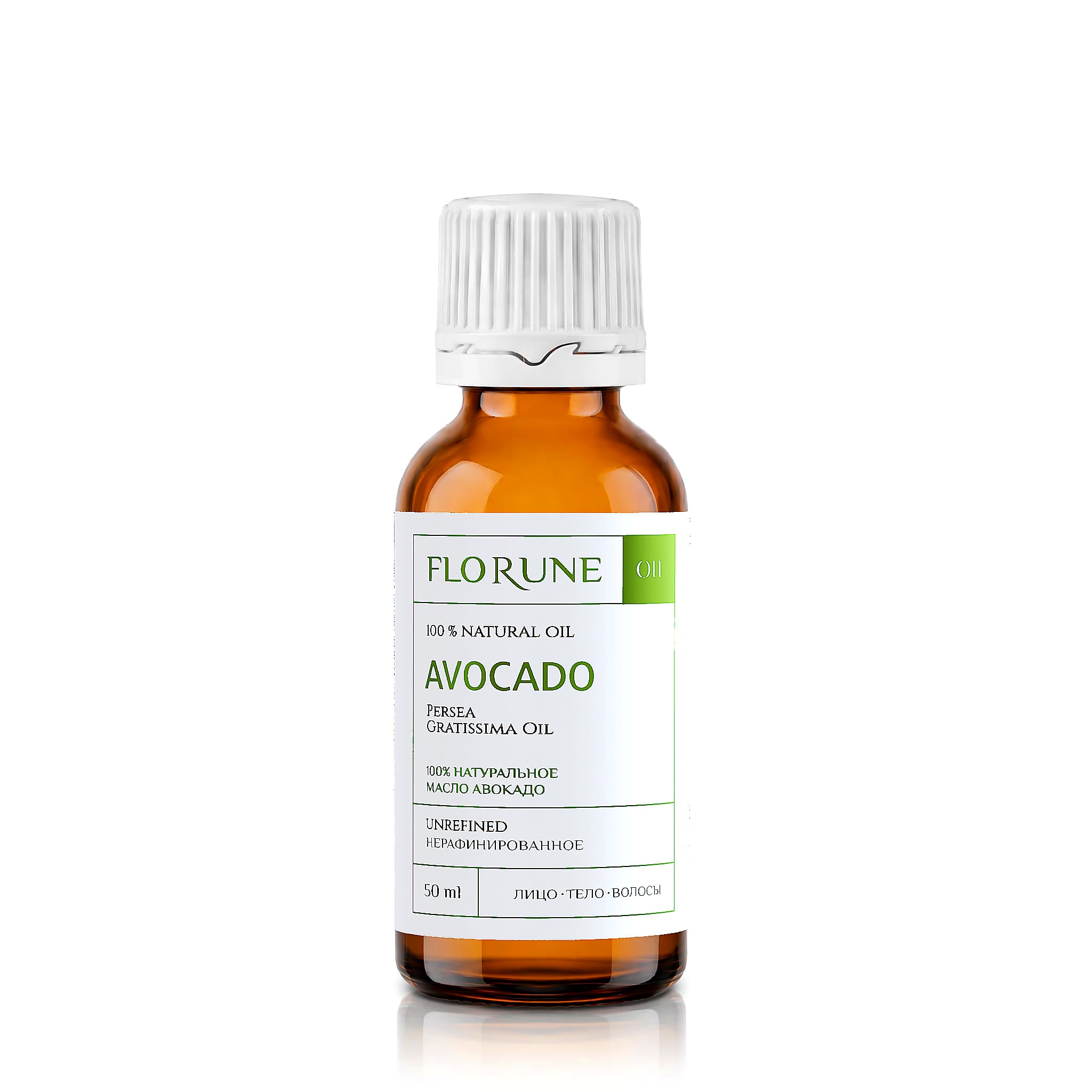
- “Provence” lavender essential oil — Aromatic combination
- Essential oil of sweet orange — Aromatic combination
- Rose geranium essential oil — Aromatic combination
- Jojoba oil — Base for the oil recipes above
Sources
- Fradin M.S., Day J.F. Comparative efficacy of insect repellents against mosquito bites. New England Journal of Medicine. 2002;347:13–18.
- Antifungal activity of Cymbopogon winterianus Jowitt ex Bor against Candida albicans. Brazilian Journal of Microbiology.
- Assessment of antinociceptive, anti-inflammatory and antioxidant properties of Cymbopogon winterianus leaf essential oil. Pharmaceutical Biology.