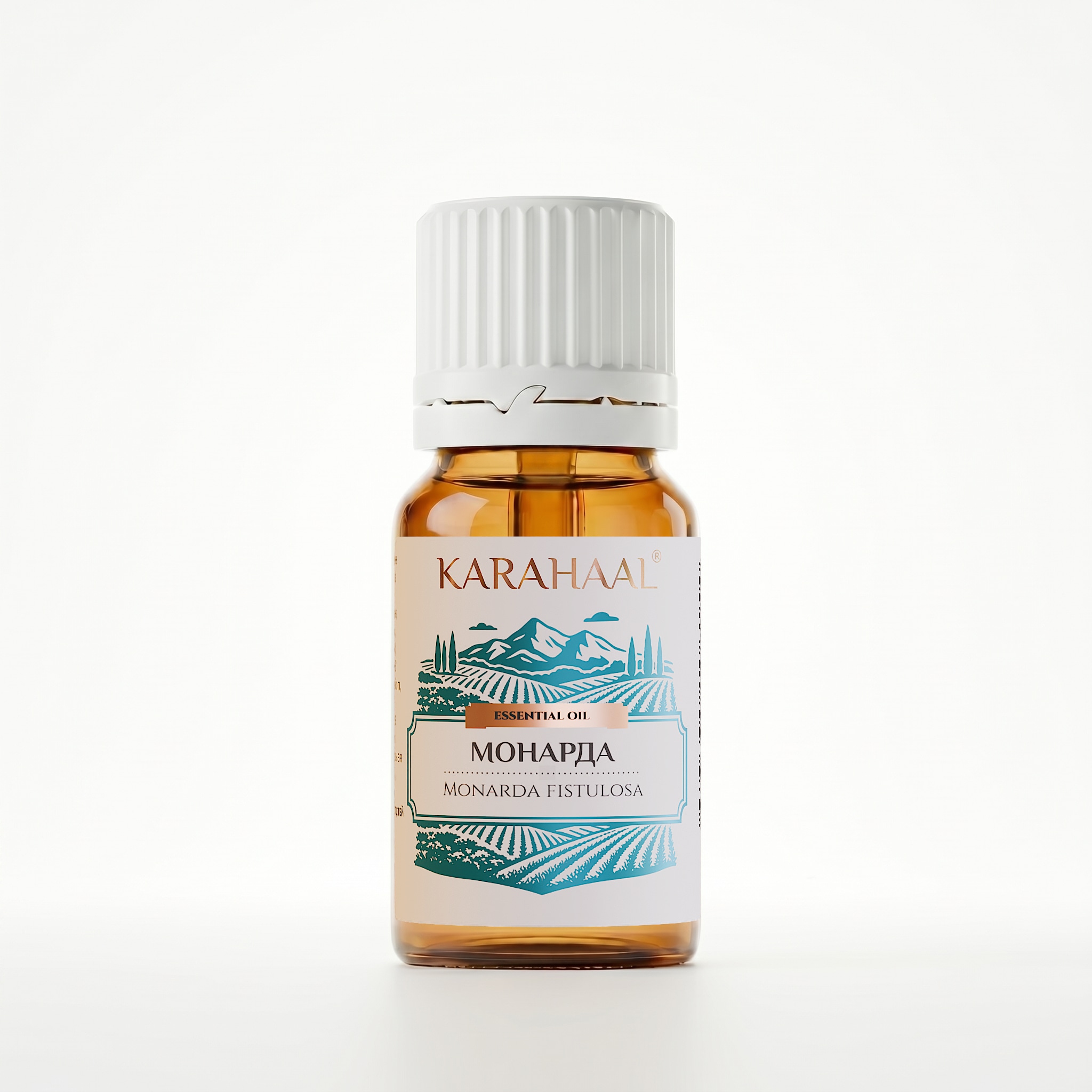
Monarda: microbiota, inflammation, and seborrheic concerns
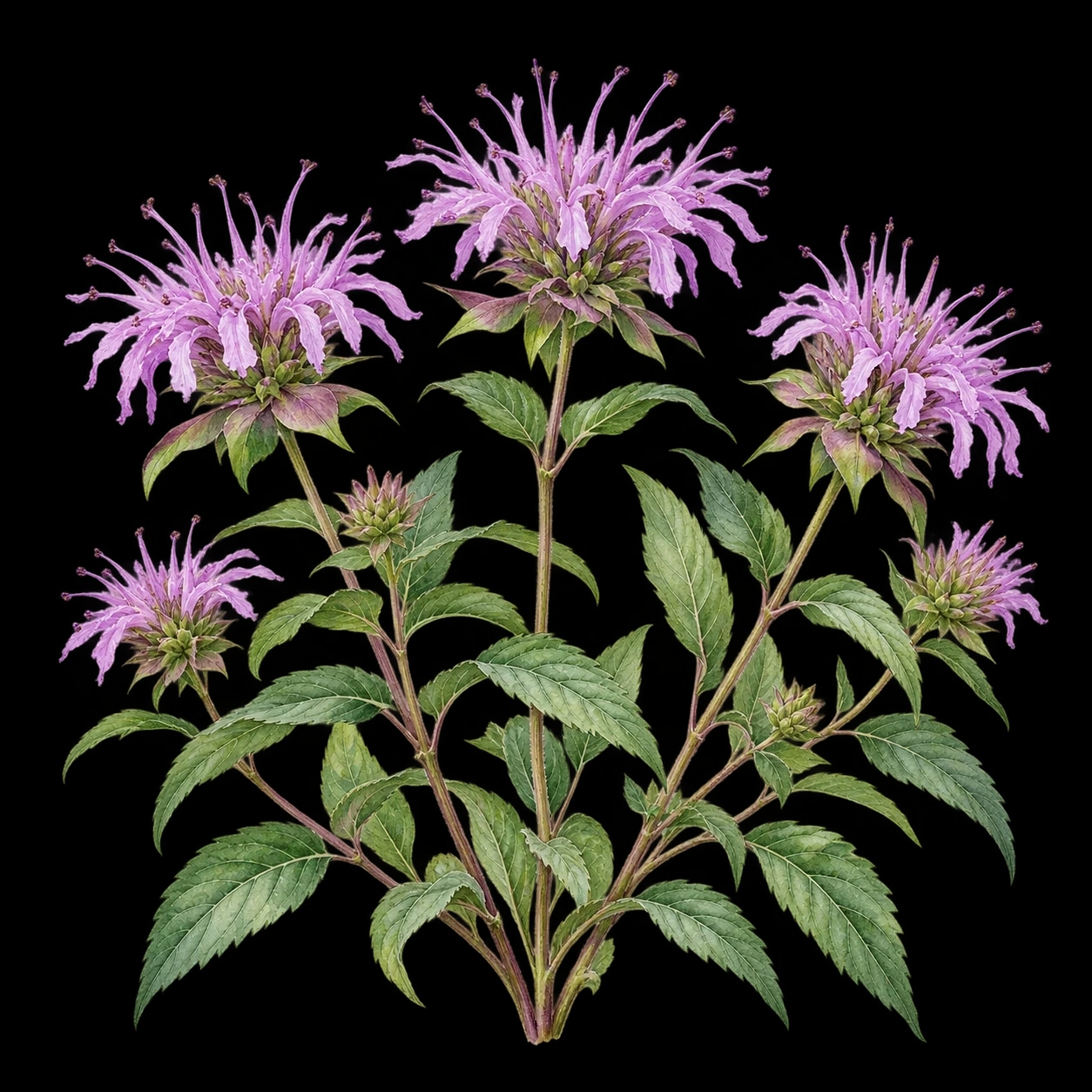
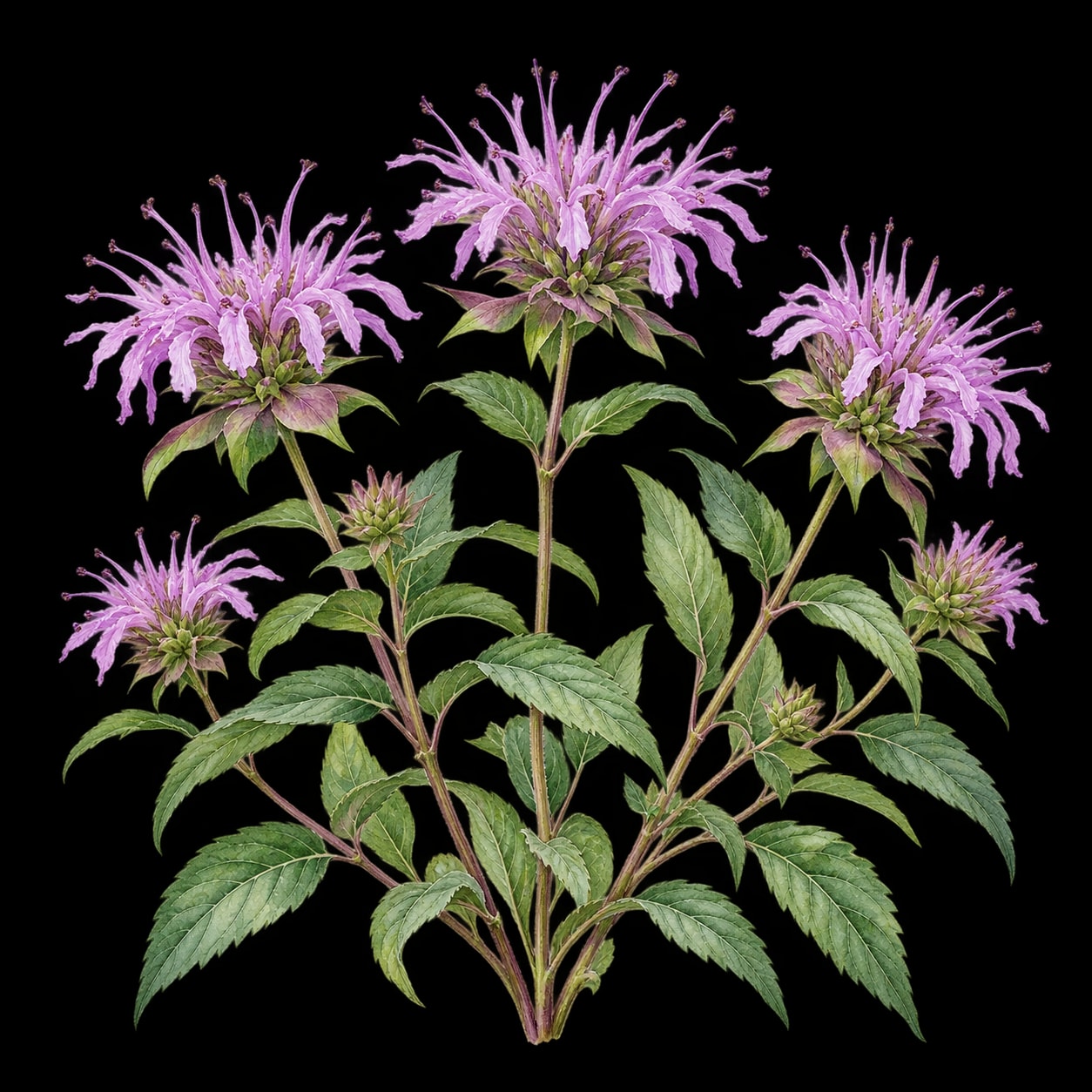
Monarda is primarily interesting for skin and scalp care. Its therapeutic profile is linked to antimicrobial, antifungal, and anti-inflammatory actions. The aroma can be sharply herbaceous and pungent or more delicate floral-herbal — depending on the composition.
Seborrhea and scalp
In the initial study on Monarda fistulosa, researchers evaluated the oil as a promising component of an anti-seborrheic product. The authors reported antibacterial, antifungal, and anti-inflammatory activity. This subject-specific basis fuels interest in monarda when developing products for dandruff-prone and oily scalp skin. [1]
For external use of monarda, the chemotype, concentration, and composition of the base are important. Choose a tested formula and consider skin sensitivity, especially for oils with a strong phenolic profile.
How phenols act against microorganisms
In microbiological experiments, thymol and carvacrol disrupted membrane integrity, altered intracellular acidity, and caused ion leakage. These substances were studied separately and in phenolic oils, including oregano. Their content in monarda depends on the plant's chemical variant. [2]
Practical application
Monarda is considered for professionally formulated external blends and subtle aromatic accents. The phenolic profile is not suitable for arbitrary application on inflamed skin or for adding several drops to a single shampoo dose: contact may be uneven and irritating.
Aromatic composition
The pungent monarda is softened by lavender and woody notes; a geraniol-rich variant can be associated with geranium and citrus. This oil is selected based on the task and chemistry, not just by the general name 'monarda'.
Blending suggestions
Lavender and mild woody notes round out the phenolic sharpness. Geranium and citrus notes suit a more floral profile; the final choice depends on the chemotype.
Research in detail
Monarda and seborrheic concerns
In the publication on Monarda fistulosa, antibacterial, antifungal, and anti-inflammatory properties of the oil for topical products are described. In cosmetic formulations, monarda is used in calculated dilution and compatible base. [1]
How to use
Examples for adults. Quantities are given for the entire bottle; for one application, take a small portion of the mixture. These are aromatic therapy routines, not medicinal dosages.
- Material for individually tailored professional blends. Do not apply concentrate to skin, mucous membranes, or damaged areas; do not ingest. No home therapeutic regimen is recommended with this product.
Precautions
Dilute in a carrier oil before applying to skin. Do not ingest or apply to mucous membranes; stop use if irritation occurs. Monarda's phenolic profile may irritate the skin; formulas for sensitive areas and the face need individual selection. Do not use on open wounds or mucous membranes.
What to combine with this care
- “Provence” lavender essential oil — Aromatic combination
- Essential oil of sweet orange — Aromatic combination
- Tea tree essential oil BIO — Aromatic combination