Nutmeg: inflammatory pain and warming spice
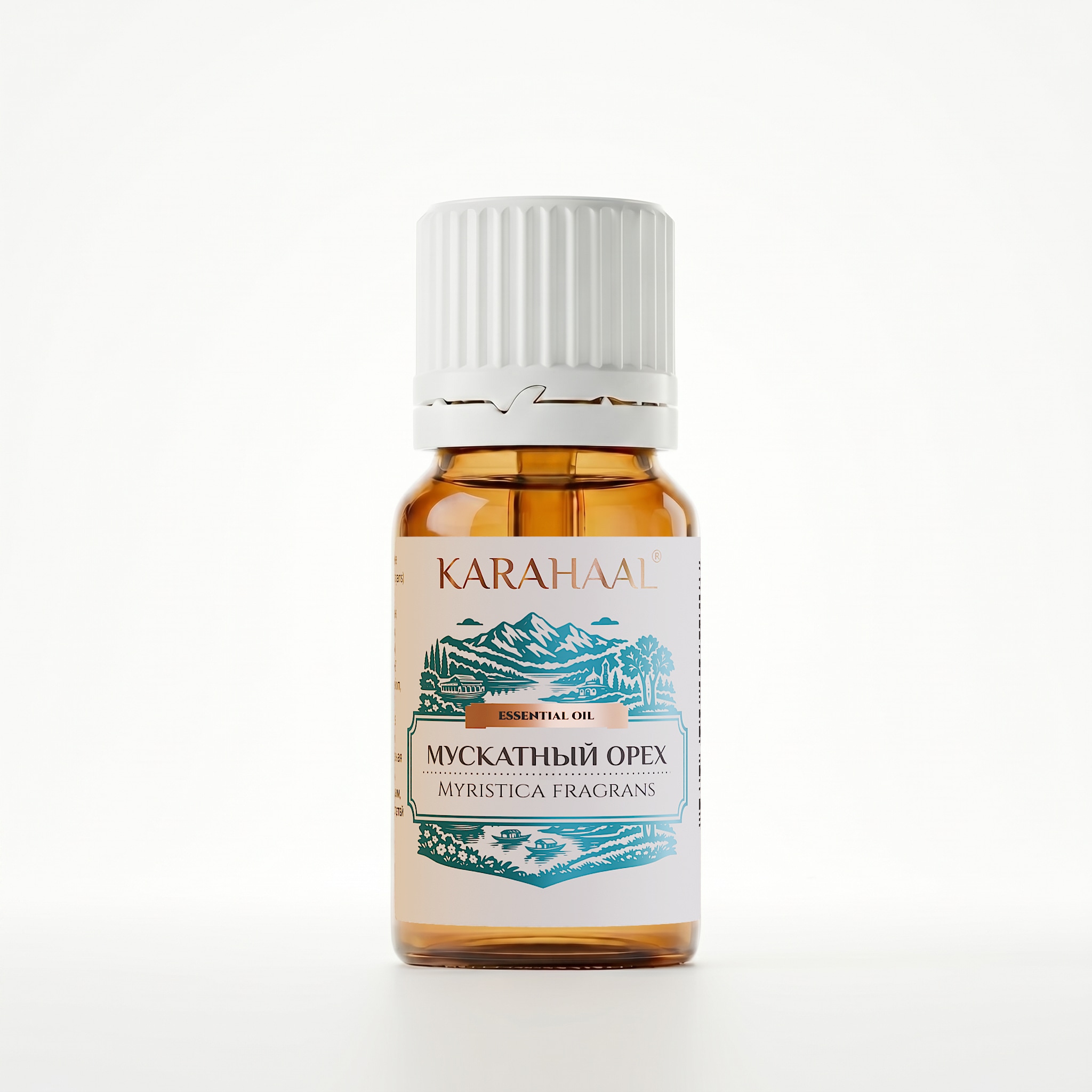
Nutmeg oil is selected for warm massage and rich wood-spicy blends. Its scent is dry, slightly sweet, with a fresher beginning than ground nutmeg. In aromatherapy, the oil is traditionally associated with muscle and joint discomfort after exertion.
Analgesic and anti-inflammatory potential
In an experimental model of prolonged inflammation, nutmeg oil reduced swelling and pain sensitivity. The authors linked the results to decreased expression of COX-2 and substance P — participants in inflammation and pain signal transmission. [1]
Anti-inflammatory and analgesic properties of nutmeg essential oil have been studied in experiments. For massage care, a calculated dilution is selected, as concentrated oil requires careful use.
Massage and feeling of stiffness
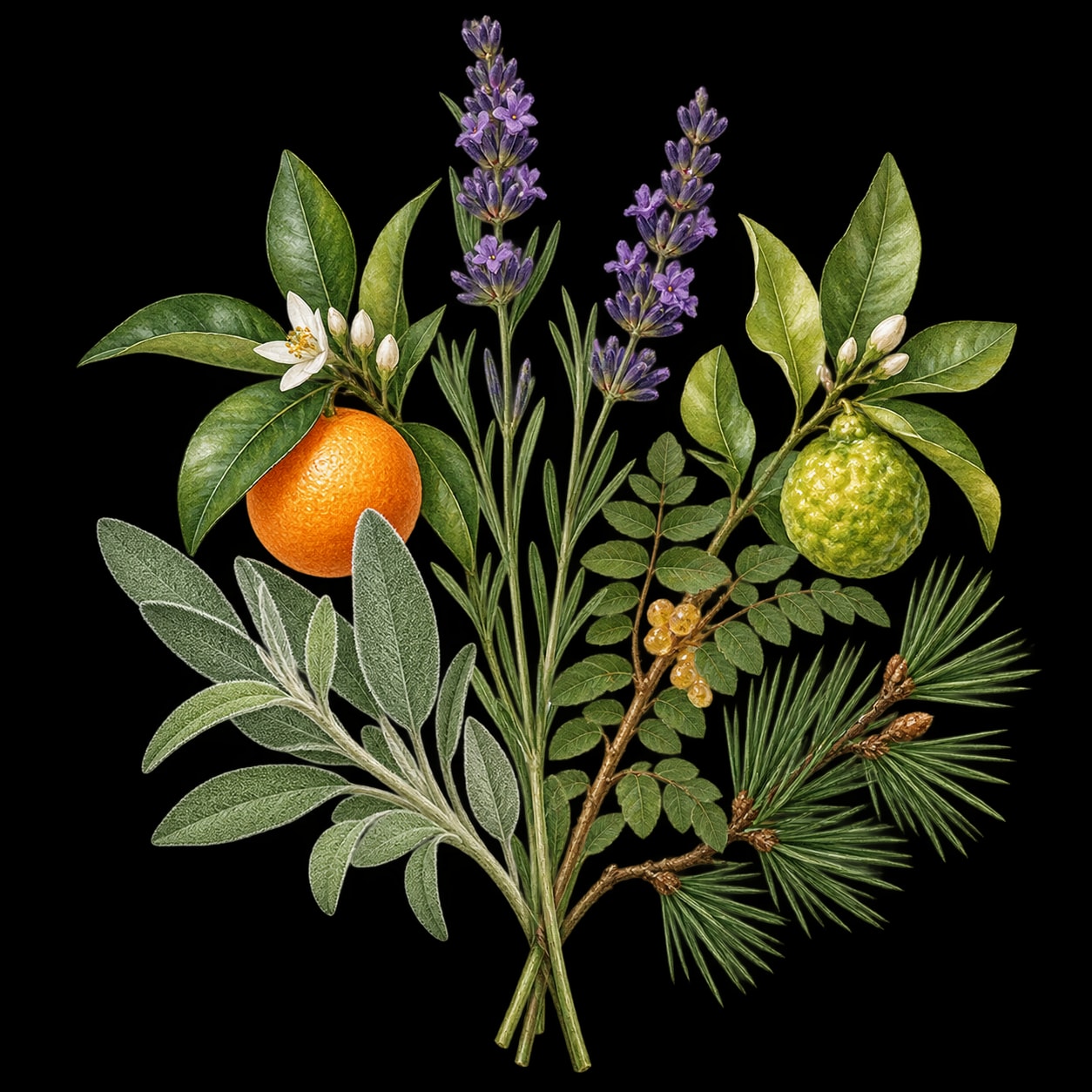
For aromatherapeutic use, nutmeg is used in small amounts blended with a carrier oil, often as part of a blend for shoulders or back. Lavender can soften its spiciness, orange adds lightness, and cedar makes the profile drier. It is not necessary to achieve a burning sensation: skin irritation is not a sign of beneficial warming.
Emotional tone
Nutmeg is suitable for compositions that require warmth and a sense of cohesion. Cardamom adds a fresh spicy note, sandalwood makes the aroma more rounded. Sweet materials, including vanilla, enhance the cozy character, but require a compatible base.
Why quantity is especially important
Myristicin and related compounds make nutmeg not only expressive but also demanding in dosage. The concentrate is not taken internally and is not used for altering consciousness; pregnancy, childhood, and neurological conditions require avoidance of self-selection.
Blending suggestions
Orange lightens the spicy profile, cardamom adds freshness, cedar brings dryness. Sandalwood rounds out the base; vanilla creates a sweet direction in a compatible perfumery formula.
Research in detail
Inflammatory pain and signaling molecules
In an experimental study from 2016, nutmeg oil reduced swelling and pain sensitivity markers in a model of chronic inflammation. The authors linked the reaction to reduced expression of COX-2 and substance P. [1]
How to use
Examples for adults. Quantities are given for the entire bottle; for one application, take a small portion of the mixture. These are aromatic therapy routines, not medicinal dosages.
- Material for individually tailored professional blends. Do not apply concentrate to skin, mucous membranes, or damaged areas; do not ingest. No home therapeutic regimen is recommended with this product.
Precautions
Dilute in a carrier oil before applying to skin. Do not ingest or apply to mucous membranes; stop use if irritation occurs. Nutmeg may contain myristicin, safrole and methyl eugenol. Do not increase the concentration to obtain a stronger warming effect; therapeutic blends require individual selection. Do not use without professional guidance during pregnancy or for children.
What to combine with this care
- Essential oil of sweet orange — Aromatic combination
- White sandalwood essential oil BIO — Aromatic combination
- Cardamom essential oil — Aromatic combination