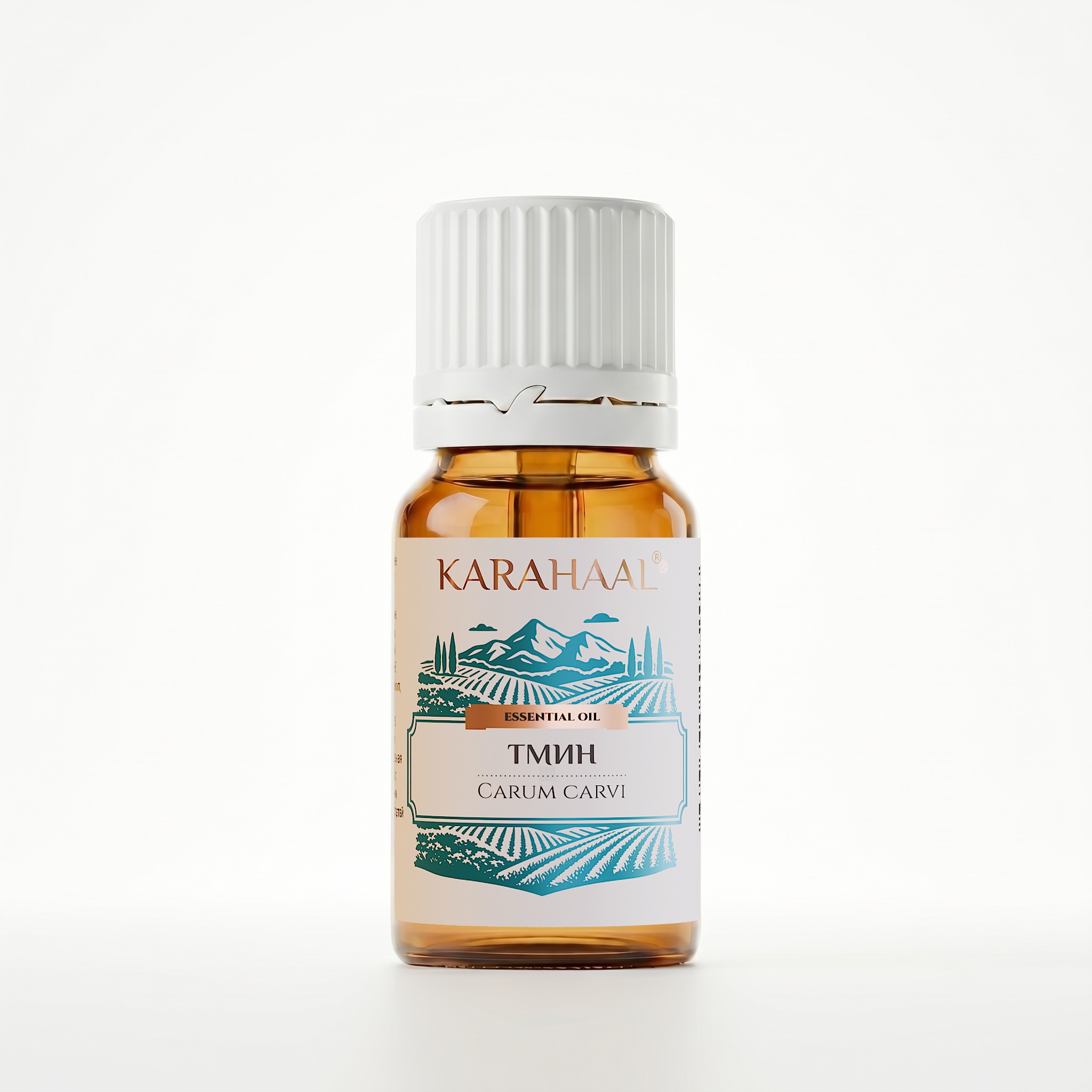
Caraway: bloating, gas, and digestive comfort
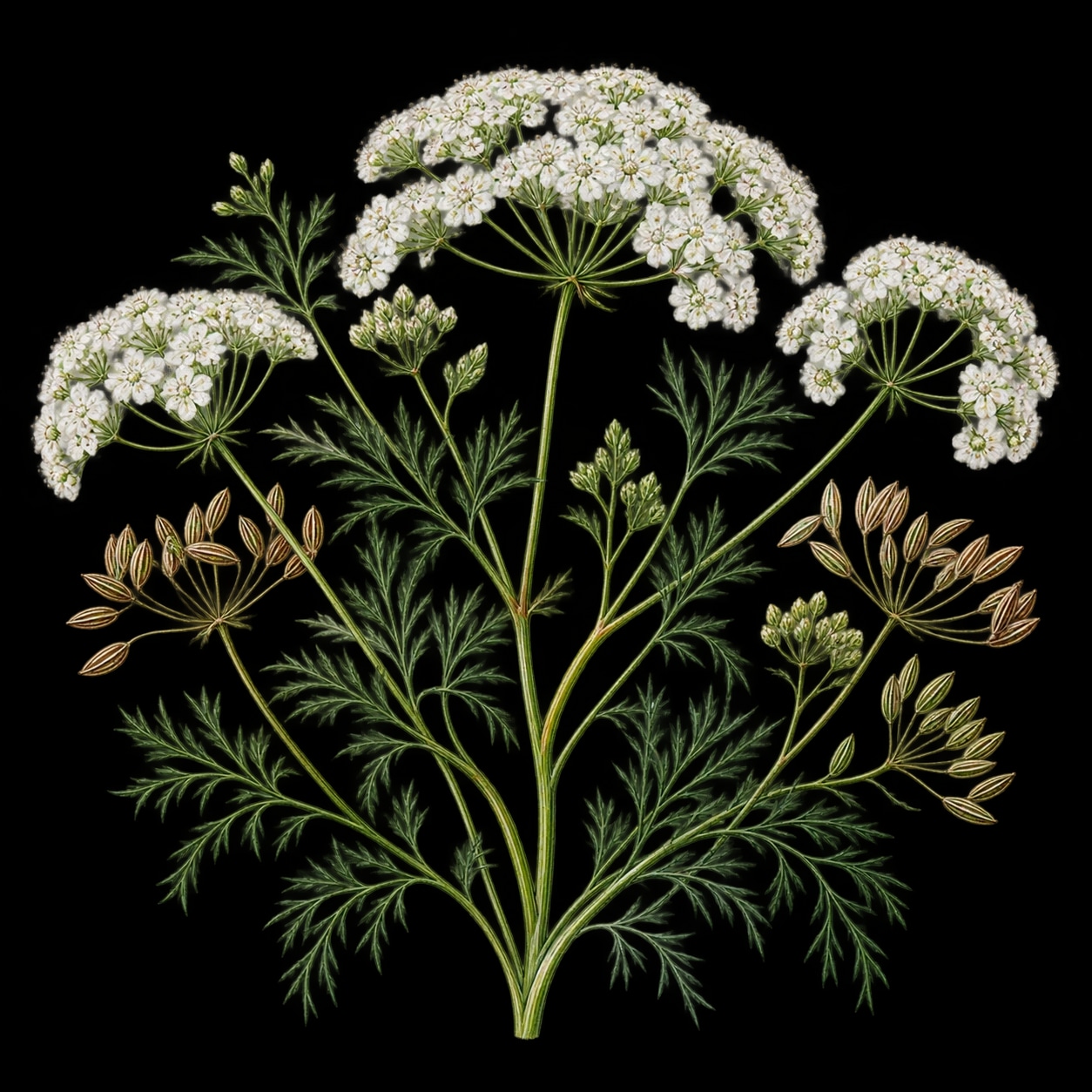
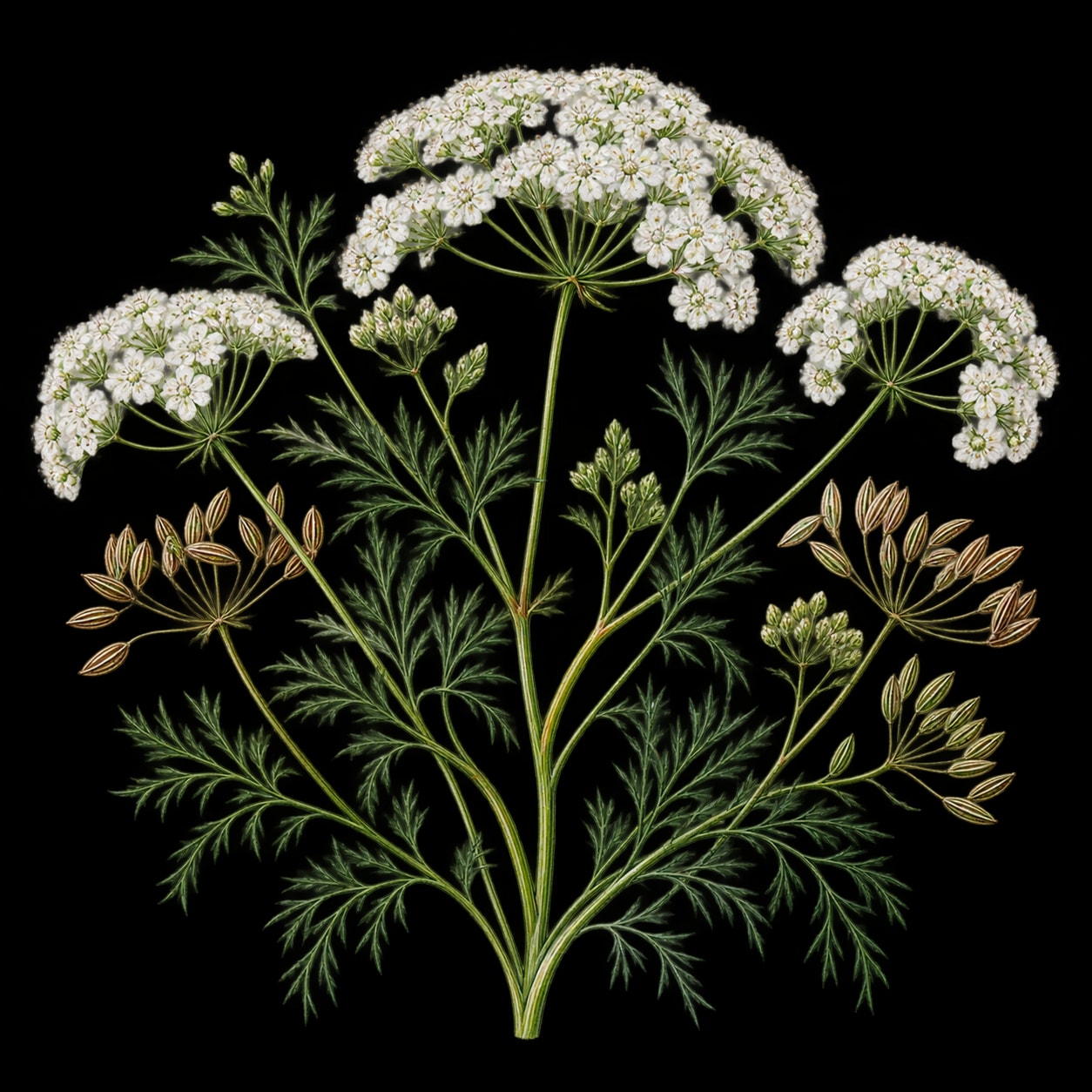
Caraway essential oil has a clear aromatherapeutic specialization: it is traditionally used in connection with bloating and the sensation of distension in the abdomen. The oil is extracted from the fruits Carum carvi; a dry warm scent is familiar from spice, but in concentrate it becomes deeper and richer.
Traditional use is recognized as monograph
The EMA Committee is evaluating caraway essential oil for alleviating gastrointestinal symptoms such as bloating and gas, based on a long history of use. The monograph describes oral and topical formulations. This provides significant support for gastrointestinal therapy, while retail essential oil does not replace a prepared medicinal product with instructions. [1]
In aromatherapeutic care, an adult may find a diluted mixture suitable for gentle abdominal massage. The procedure is designed for familiar, light tension, without strong pressure. If discomfort persists, worsens, or is accompanied by unusual symptoms, its cause should be investigated.
Antioxidant properties
In a comparative study of caraway and coriander oils, antioxidant activity was evaluated in laboratory tests and an experimental model of oxidative damage. Caraway showed a reduction in lipid peroxidation in several tests. [2]
A warm spiced composition
Caraway essential oil is well suited for calm blends that require a dry seed accent without a strong anise sweetness. Orange softens it, lavender makes it less culinary, cardamom adds a fresh spiciness. Combined with cedar, it produces a more rigorous woody profile.
In cases of allergy to plants of the composite family, including caraway, fennel, celery, and coriander, this oil should not be used. [1]
Blending suggestions
Orange softens the pungency, lavender adds a herbal lightness. Coriander makes the center warmer, cardamom brings freshness, cedar adds a dry woody base.
Research in detail
Antioxidant direction: caraway and coriander oil
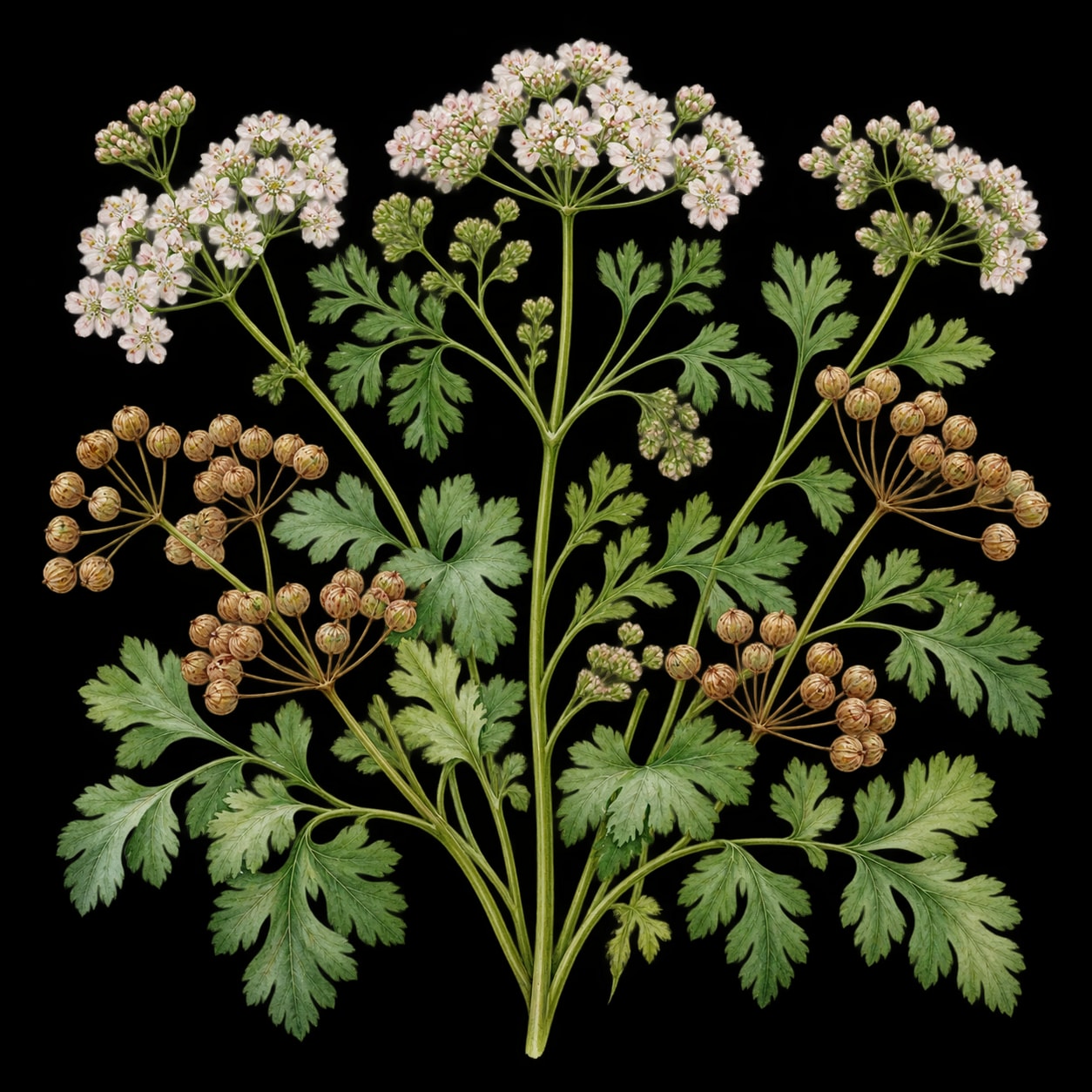
In the experimental study, the composition of caraway and coriander oils was compared, chemical antioxidant test results, and oxidative damage indicators were analyzed. Results varied depending on the oil and the method of investigation. [2]
How to use
Original formulations for adults with a small amount of aromatic component. Mix in a dry, clean bottle; the listed composition refers to the entire bottle, and a small portion is taken per use. Drop amounts are approximate.
- Abdominal massage oil mixture: caraway — 1 drop, jojoba — 10 ml. Mix and apply a small amount to intact abdominal skin, distributing gently without excessive pressure. This example is intended for an adult with habitual gastrointestinal tension.
- Caraway and sweet orange: caraway — 1 drop, sweet orange — 1 drop, jojoba — 20 ml. Mix; use a small amount for gentle abdominal or lumbar massage. Orange rounds out the dry spicy note.
Precautions
Dilute in a carrier oil before applying to skin. Do not ingest or apply to mucous membranes; stop use if irritation occurs. Do not use if allergic to caraway or other plants in the carrot family. Use during pregnancy or breastfeeding is selected individually. If abdominal pain is sudden, severe or worsening, do not massage; seek medical attention.
What to combine with this care
- “Provence” lavender essential oil — Aromatic combination
- Essential oil of sweet orange — Aromatic combination
- Cardamom essential oil — Aromatic combination
Sources
- EMA: caraway essential oil
- Antioxidant and hepatoprotective potential of essential oils of coriander (Coriandrum sativum L.) and caraway (Carum carvi L.) (Apiaceae).
- Robert Tisserand. Dilution for essential oils: principles and concentration ranges.
- EMA. European Union herbal monograph on Carum carvi L., aetheroleum. 2015.