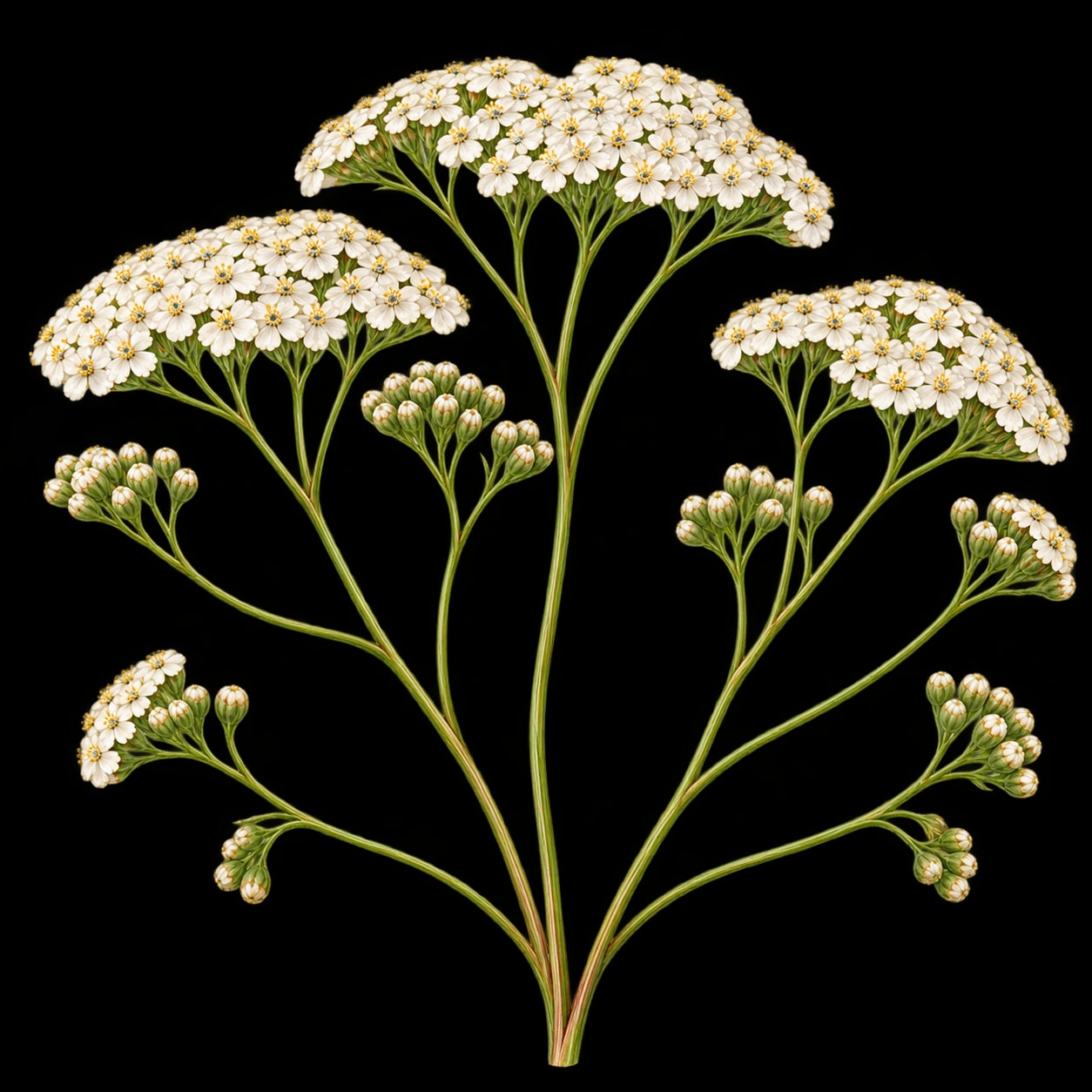
Yarrow: inflammation, skin irritation, and recovery
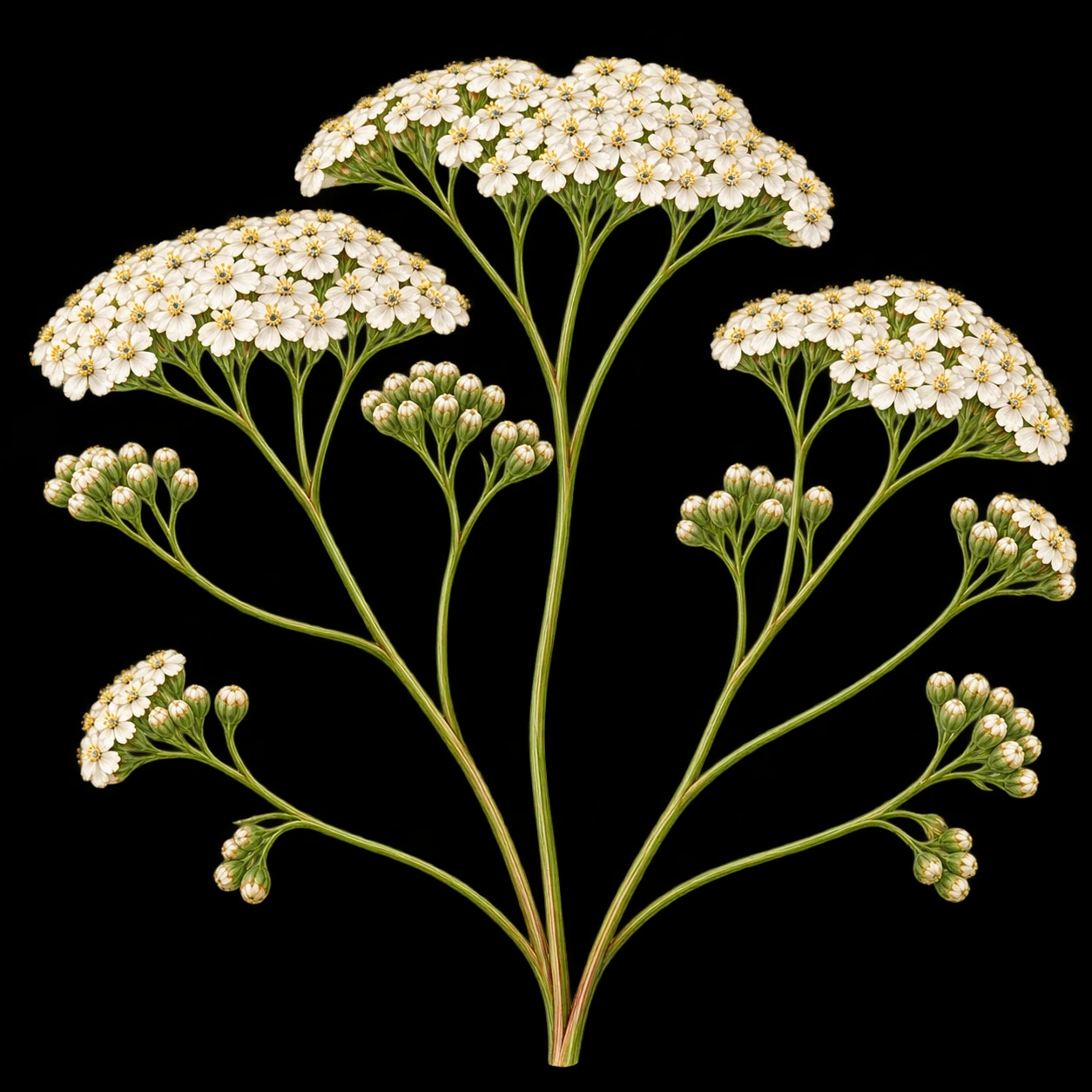
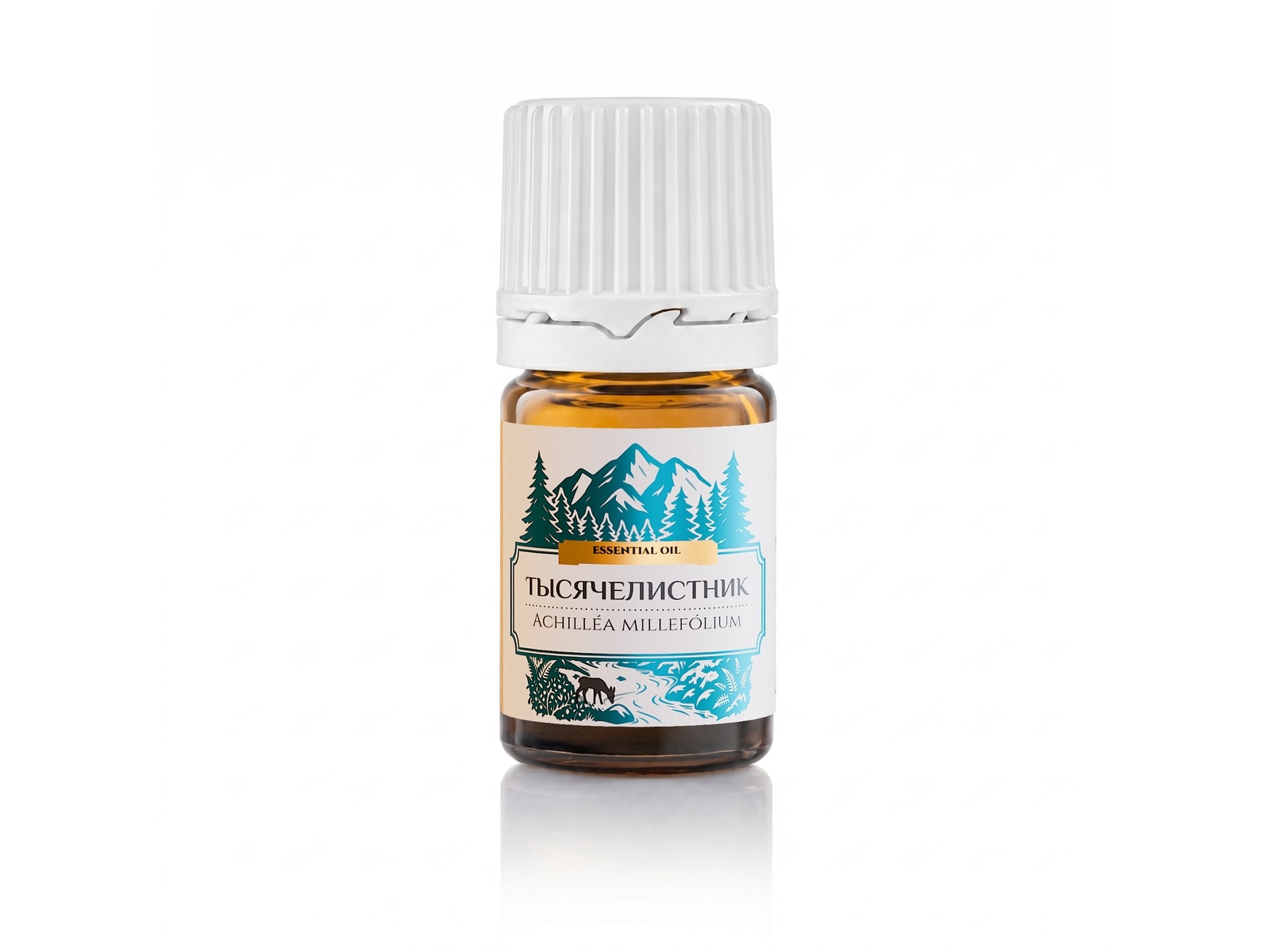
Yarrow occupies a significant place in aromatherapy for skin care and local restorative blends. It is chosen when gentle care for areas prone to irritation is needed, as well as for massage of tense muscles. The aroma is herbaceous and spicy, with dry, sometimes camphor-like notes.
Anti-inflammatory action at the cellular level
In macrophage studies, Achillea millefolium essential oil reduced the inflammatory response to bacterial lipopolysaccharide. The authors found a decrease in nitric oxide production, changes in oxidative markers, and reduced expression of iNOS, COX-2, TNF-α, and IL-6—key components of the inflammatory response. This specific mechanism explains the interest in the therapeutic potential of the oil. [1]
Skin, itching, and local care
In the monograph KARAHAAL, anti-inflammatory, antipruritic, regenerative, and anti-edematous properties are described. In aromatherapy practice, yarrow is included in simple diluted mixtures for intact skin, when care and a low aromatic load are required. Essential oil concentrate is not applied to fresh burns, wounds, or actively inflamed areas. [2]
Muscle tension and spasm
Traditional use includes spasmolytic and analgesic applications. The oil can be considered for local massage of shoulders and back, combined with a neutral carrier; lavender or chamomile makes the herbal blend gentler.
Why color does not determine the full strength of the oil
Chamazulene is known for its anti-inflammatory potential, but yarrow has different chemical profiles. In macrophage studies, other components were the main contributors. Therefore, the intensity of blue color is not a universal indicator of efficacy: the combination of substances and the specific application matter.
Emotional sphere
Yarrow suits calm herbal blends for irritability and emotional overload. Mandarin adds lightness, sandalwood maintains a soft background, and cypress makes the scent drier and more focused.
Blending suggestions
Lavender and chamomile soften the dry herbal note. Cypress adds structure, sandalwood provides a warm base, and mandarin introduces a light fruity element.
Research in detail
Inflammatory activation of macrophages
In a cell study, Achillea millefolium essential oil reduced a range of inflammatory responses in macrophages stimulated with lipopolysaccharide. The authors evaluated the production of nitric oxide, oxidative processes, iNOS, COX-2, and specific cytokines. In the tested sample, artemisia ketone, camphor, linalyl acetate, and cineole were predominant. [1]
How to use
Examples for adults. Quantities are given for the entire bottle; for one application, take a small portion of the mixture. These are aromatic therapy routines, not medicinal dosages.
- Material for individually tailored professional blends. Do not apply concentrate to skin, mucous membranes, or damaged areas; do not ingest. No home therapeutic regimen is recommended with this product.
Precautions
Dilute in a carrier oil before applying to skin. Do not ingest or apply to mucous membranes; stop use if irritation occurs. Do not use without professional guidance during pregnancy or breastfeeding, or in cases of epilepsy. If taking medication regularly, consult a specialist about choosing a yarrow blend; do not use the oil if allergic to the daisy family.
What to combine with this care
- “Provence” lavender essential oil — Aromatic combination
- Mandarin essential oil — Aromatic combination
- White sandalwood essential oil BIO — Aromatic combination
Sources
- Achillea millefolium L. essential oil inhibits LPS-induced oxidative stress and nitric oxide production in RAW 264.7 Macrophages.
- Catalog KARAHAAL: Achillea millefolium, p. 59–61.
- Chamazulene and leukotriene B4 formation, 1994