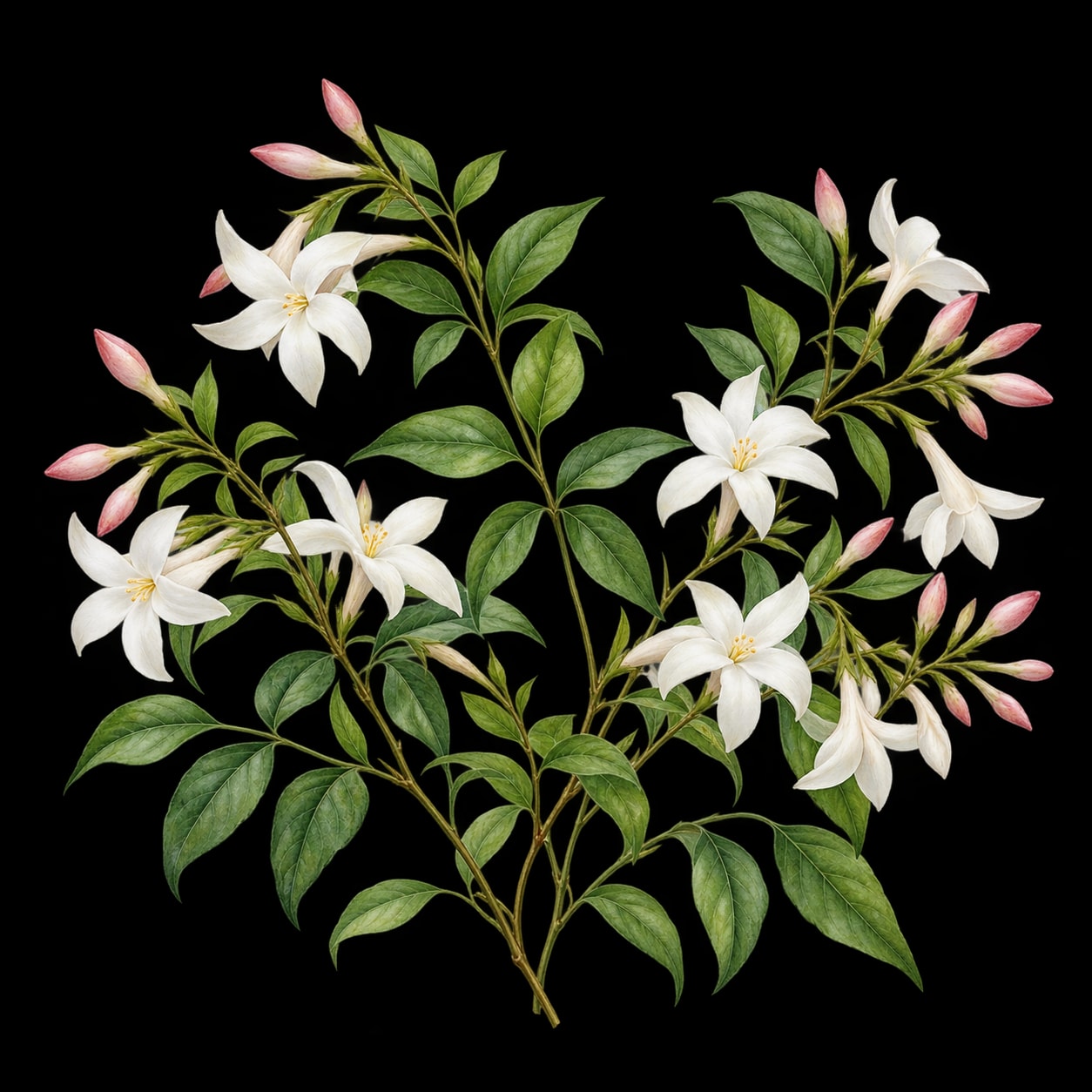
Jasmine grandiflorum: mood, sensuality, and emotional openness
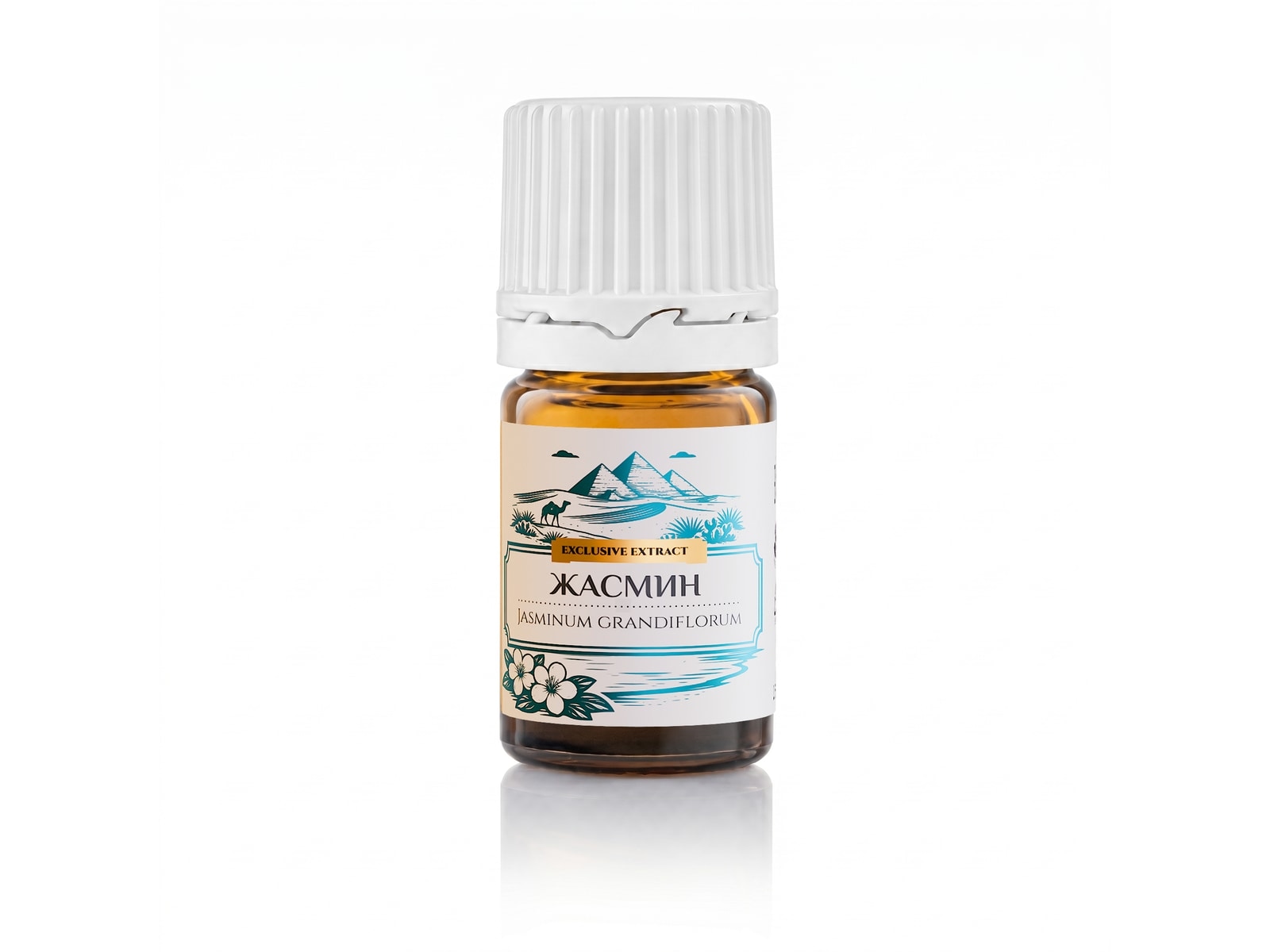
Jasmine grandiflorum absolute Jasminum grandiflorum is chosen for its deep white floral aroma, in which sweetness combines with green, warm, and slightly animalic notes. This is a expressive material: a small amount already imparts character to the blend.
Emotional recovery
In aromatherapy tradition, jasmine is used for feelings of depression, emotional stiffness, and exhaustion. Its scent may help create a more vibrant and warm emotional backdrop. For some people it is relaxing, for others more stimulating; this individuality is especially important during evening use.
What do jasmine aroma studies show
In a study with 40 healthy volunteers, the material of a different type, Jasminum sambac, when applied topically, enhanced subjective alertness and some physiological indicators of excitement. This is an interesting direction in jasmine aromatherapy, but not a direct test of the J. grandiflorum absolute. [1]
Jasmine grandiflorum is selected for emotional recovery and calm self-care. Its rich aroma unfolds gradually: allow the blend to settle on the skin and adjust the intensity to suit your personal preference.
Sensory massage
Jasmine suits slow massage and a soft oil base when compatibility and the permitted concentration have been confirmed. Sandalwood smooths the blend, mandarin adds lightness, and vetiver offers a dry contrast. Rose and ylang-ylang intensify the floral richness, so take particular care not to overload the blend.
Cosmetic and perfumery care
The absolute is obtained by extraction, so its composition and physical behavior differ from steam-distilled oil. A suitable base is required for perfumes and topical formulations; adding it to water or using a pure essential oil device does not ensure even distribution.
Jasmine is valued for its complexity and small required aromatic content. The pleasant scent is the best guide for personal composition, rather than striving to make it maximally intense.
Blending suggestions
Sandalwood provides a soft base, while mandarin lightens the floral trail. Rose adds depth, ylang-ylang brings creamy richness, and vetiver offers a dry, rooty contrast.
Research in detail
Jasmine and alertness: study of another type
In a study with 40 healthy volunteers, the aroma of a different type of jasmine — Jasminum sambac — applied to the skin was associated with a greater sense of alertness and physiological changes. The Jasmine grandiflorum Jasminum grandiflorum has its own composition and character of aroma. [1]
How to use
Original formulations for adults with a small amount of aromatic component. Mix in a dry, clean bottle; the listed composition refers to the entire bottle, and a small portion is taken per use. Drop amounts are approximate.
- Delicate oil fragrance: Jasmine grandiflorum absolute — 1 drop, jojoba — 20 ml. Mix thoroughly until homogeneous; if the absolute does not dissolve, do not use the mixture. Apply a small amount to the forearms, away from mucous membranes.
- Floral-wood massage: Jasmine grandiflorum — 1 drop, sandalwood — 1 drop, jojoba — 20 ml. After thorough mixing, use a small amount on the shoulders. Jasmine is added in very small quantities: its fragrance is noticeable even at this dilution.
Precautions
Dilute in a carrier oil before applying to skin. Do not ingest or apply to mucous membranes; stop use if irritation occurs. Jasmine absolute may cause contact allergy; use small amounts in a compatible base. An intense aroma may cause a headache; if this happens, reduce your exposure to the aroma or stop using it.
What to combine with this care
- Mandarin essential oil — Aromatic combination
- White sandalwood essential oil BIO — Aromatic combination
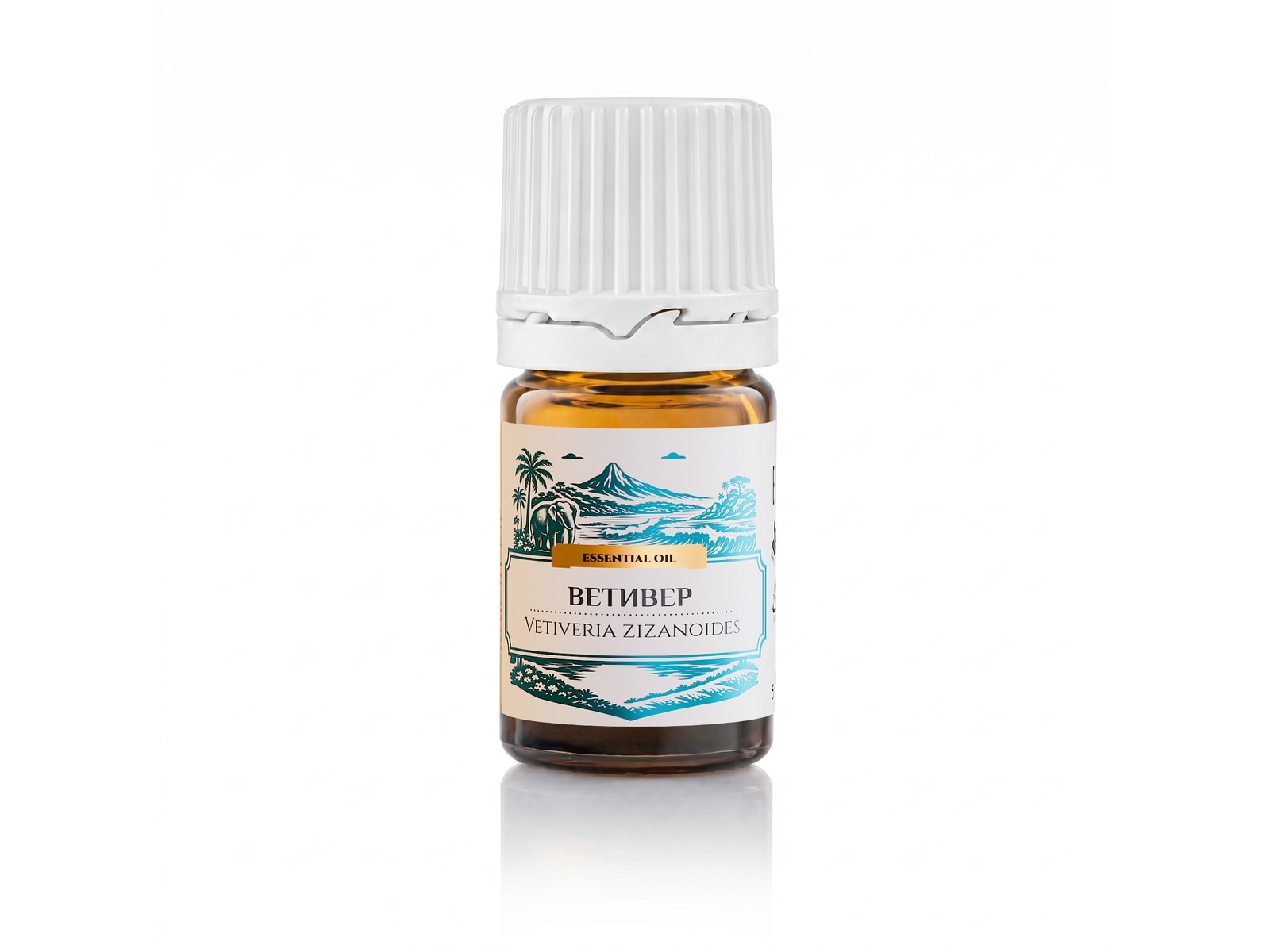
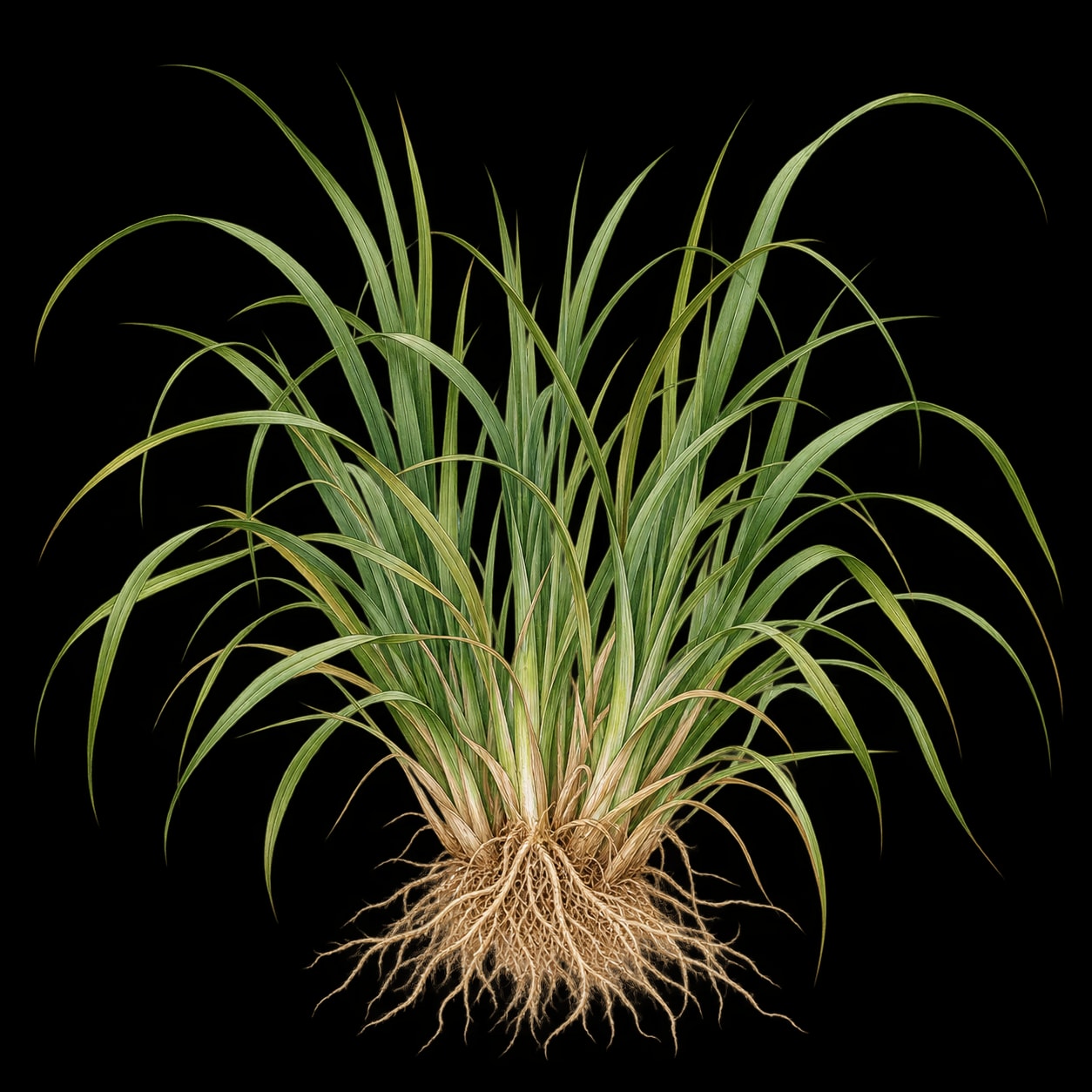
- Vetiver essential oil — Aromatic combination