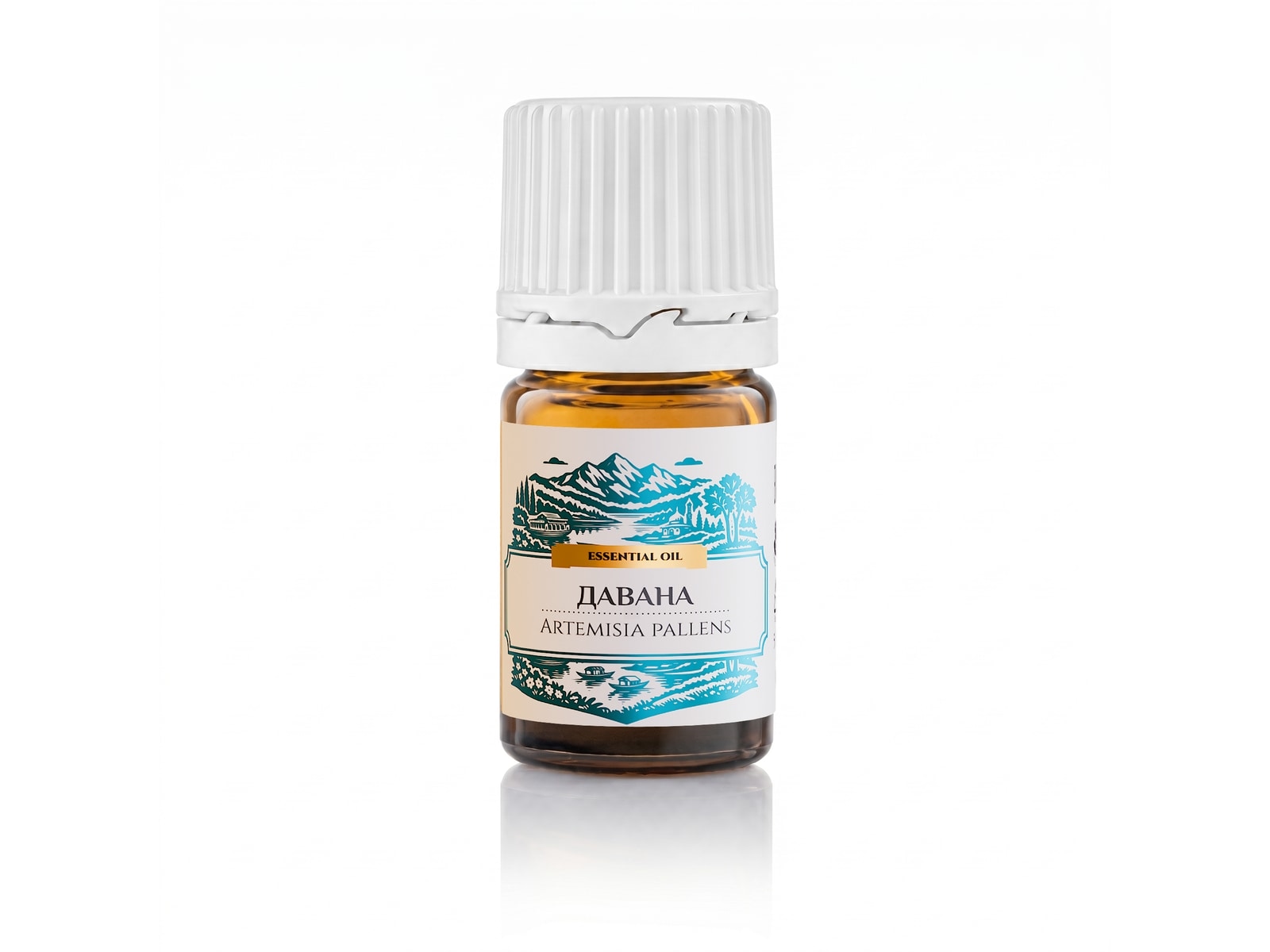
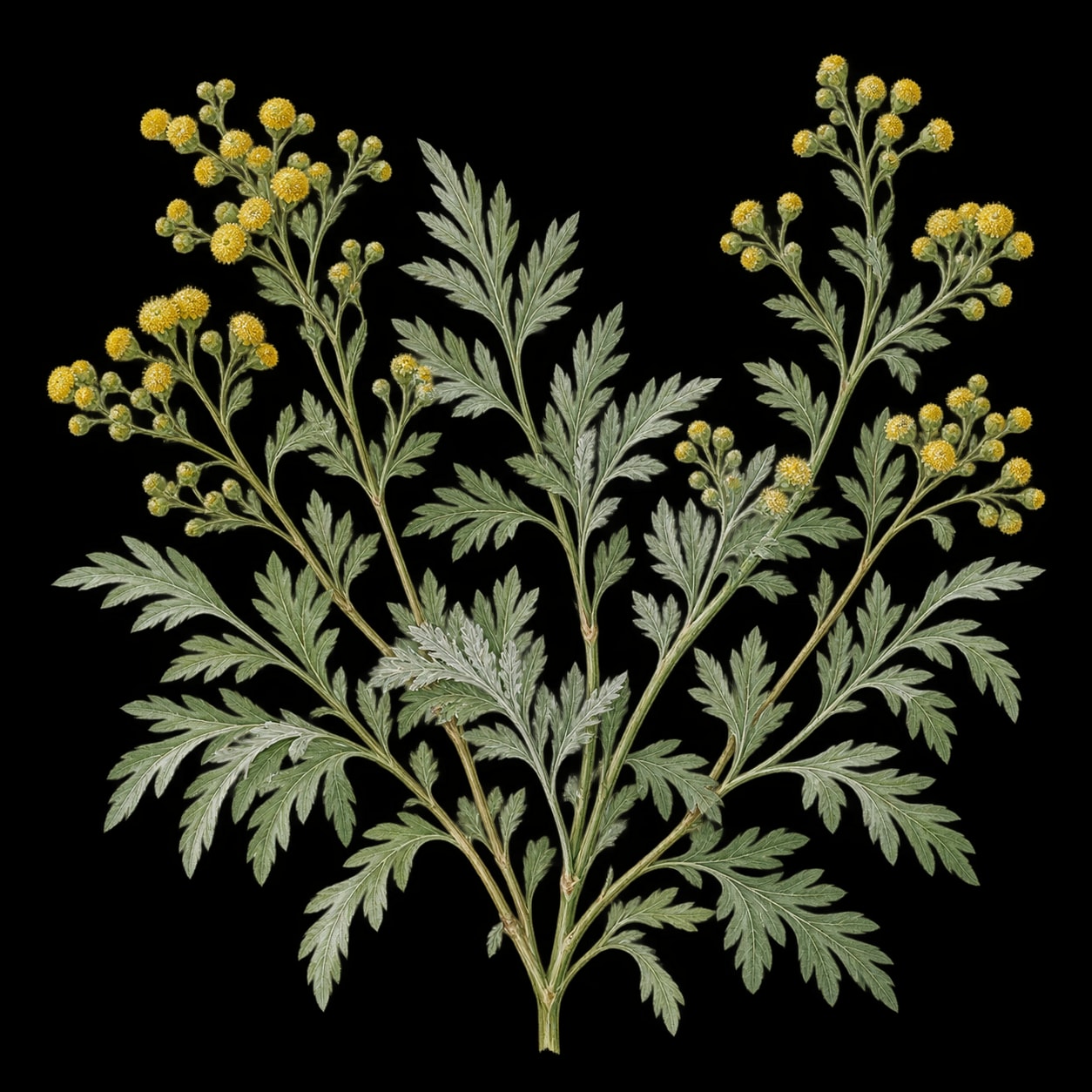
Davana: anti-inflammatory potential and fruity-herbal warmth
Davana differs from many other Artemisia plants in its soft, fruity, balsamic character. It is chosen for individual aromatic blends that call for warm depth and an unusual herbal facet.
Anti-inflammatory direction
In a 2021 study, Artemisia pallens essential oil and isolated cis-davanone reduced the production of TNF-α and IL-6 in primary macrophages after inflammatory stimulation. No cytotoxicity was observed under effective conditions. [1]
The anti-inflammatory activity of davana was studied on a cellular model. In skincare, essential oil is used only in appropriate dilutions; in cases of dermatitis, the selection of topical treatments should be coordinated with a doctor.
Emotional recovery
In aromatherapy, davana is suitable for conditions where a warm and gentle shift is desired. Its fruity notes can make a woody blend more vibrant, and a floral blend deeper. Orange lightens the balsamic quality, rose adds a warm floral heart, and sandalwood maintains a balanced base.
Perfumery individuality
Davana changes in composition depending on its partners: with patchouli it becomes more earthy, with vanilla — sweeter, with citrus — lighter. To evaluate the combination, it is convenient to first use individual aromatic strips. For application on the skin, a calculated concentration and a compatible base are required.
Why the oil is interesting to chemists
In the study, 99 components were identified and certain fractions were separately investigated. This complexity explains why davana is difficult to replace with a single fruit aromatic compound: its character and potential activity result from several chemical groups.
Blending suggestions
Orange lightens the fruity balsamic note, sandalwood creates a soft base. Rose adds floral depth, patchouli brings earthiness, and vanilla enhances sweetness in a compatible formula.
Research in detail
Whole oil and cis-davanone were studied together
A 2021 study analysed the composition of Artemisia pallens oil in detail, identifying numerous constituents and isolating selected compounds. The whole oil and cis-davanone reduced TNF-α and IL-6 production in primary macrophages after inflammatory stimulation. No cytotoxicity was observed under the effective conditions in this model. The findings support research into anti-inflammatory skin applications, while retaining the distinction between a cell experiment and finished cosmetics. [1]
How to use
Original formulations for adults with a small amount of aromatic component. Mix in a dry, clean bottle; the listed composition refers to the entire bottle, and a small portion is taken per use. Drop amounts are approximate.
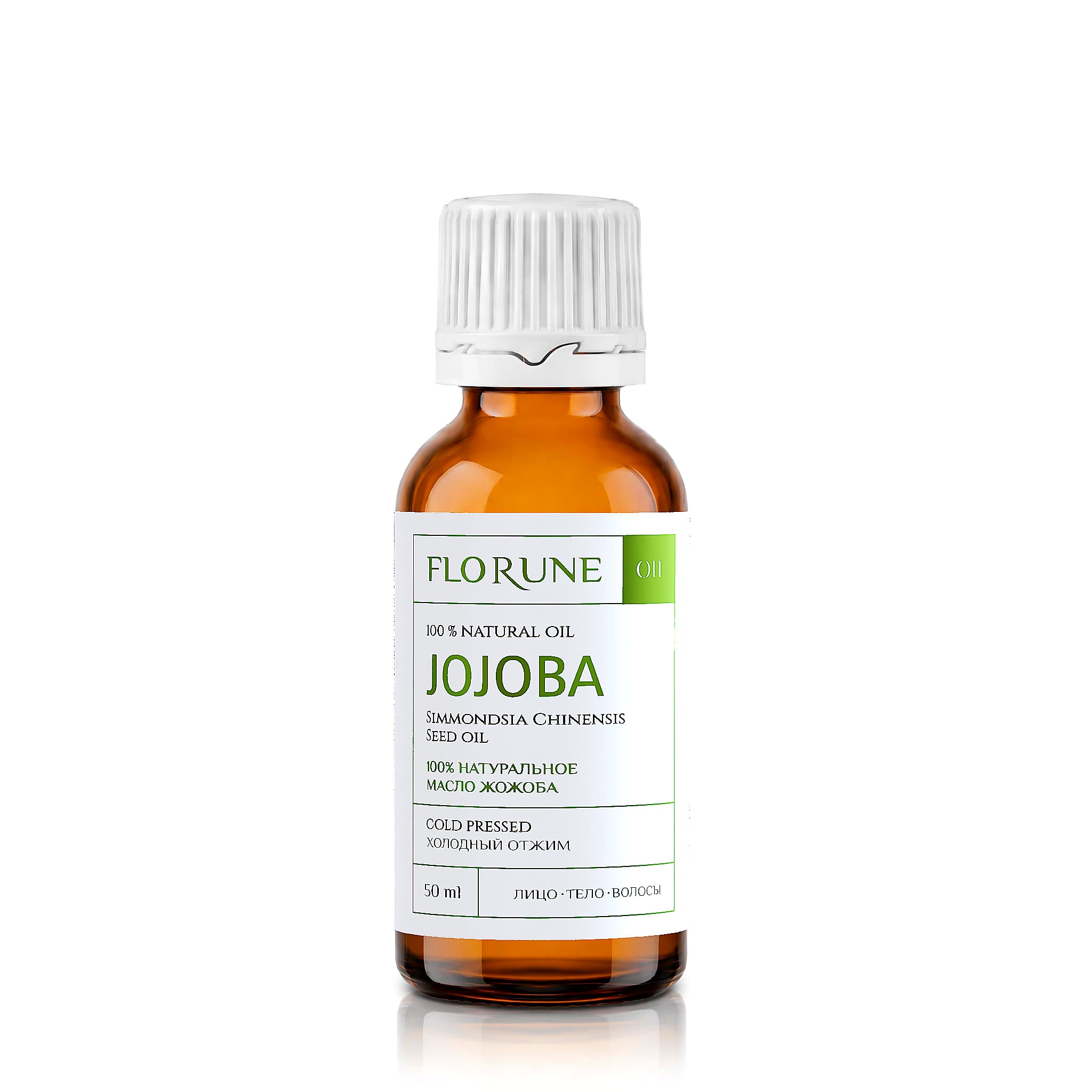
- A warm aroma for relaxation: davana — 1 drop, jojoba — 10 ml. Mix and apply a small amount to the forearms; a fruity-herbal scent develops gradually on warm skin.
- Davana and sweet orange: davana — 1 drop, sweet orange — 1 drop, jojoba — 20 ml. Use a small amount for gentle shoulder massage. Orange lightens the dense fruity note of davana.
Precautions
Dilute in a carrier oil before applying to skin. Do not ingest or apply to mucous membranes; stop use if irritation occurs.
What to combine with this care
- Essential oil of sweet orange — Aromatic combination
- White sandalwood essential oil BIO — Aromatic combination
- Patchouli essential oil — Aromatic combination
Sources
- New Insights into the Chemical Composition, Pro-Inflammatory Cytokine Inhibition Profile of Davana (Artemisia pallens Wall. ex DC.) Essential Oil and cis-Davanone in Primary Macrophage Cells.
- Robert Tisserand. Dilution for essential oils: principles and concentration ranges.
- Plant Therapy. Top 4 Ways to Use Davana Essential Oil. 2019.