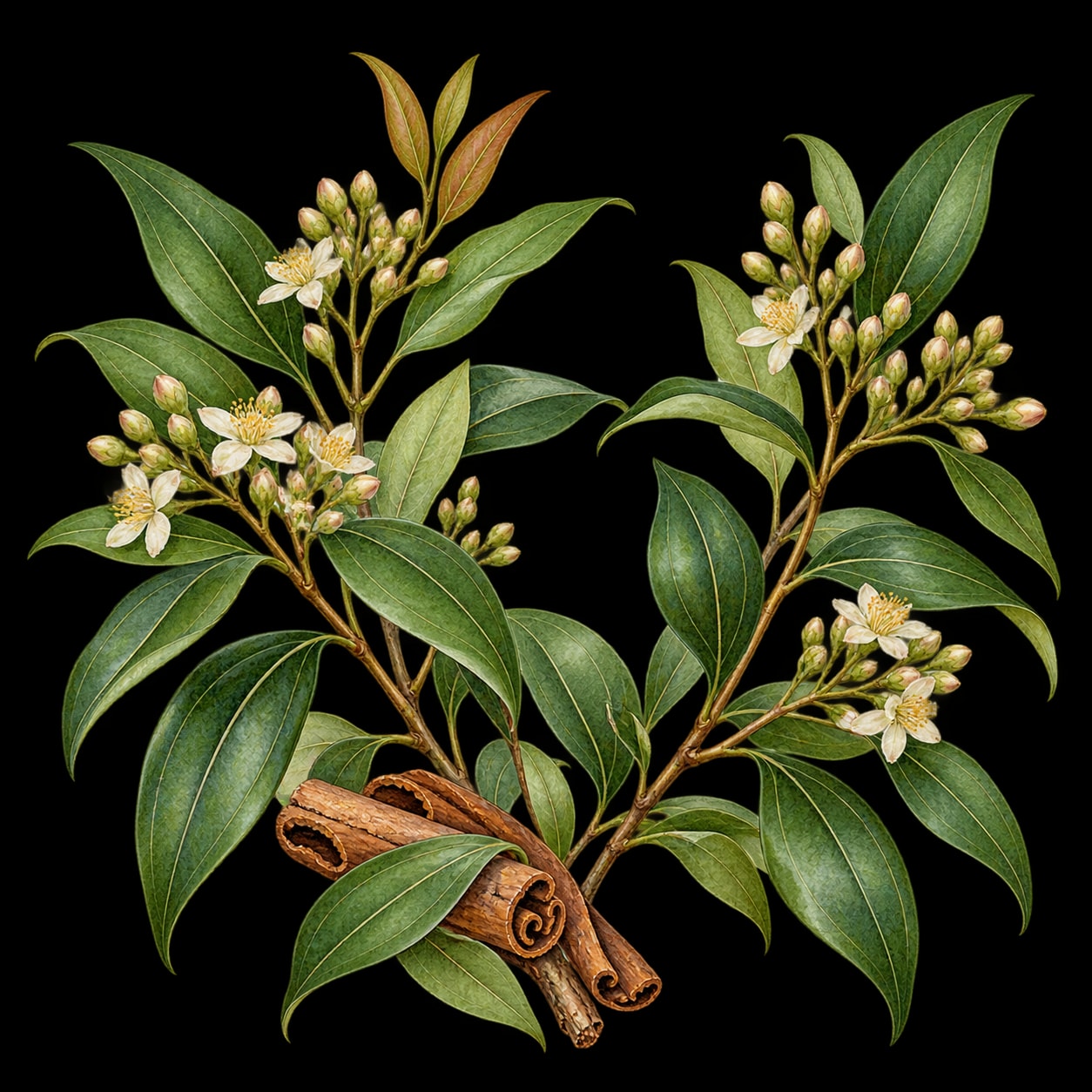
Cinnamon bark: antimicrobial action and concentrated spice
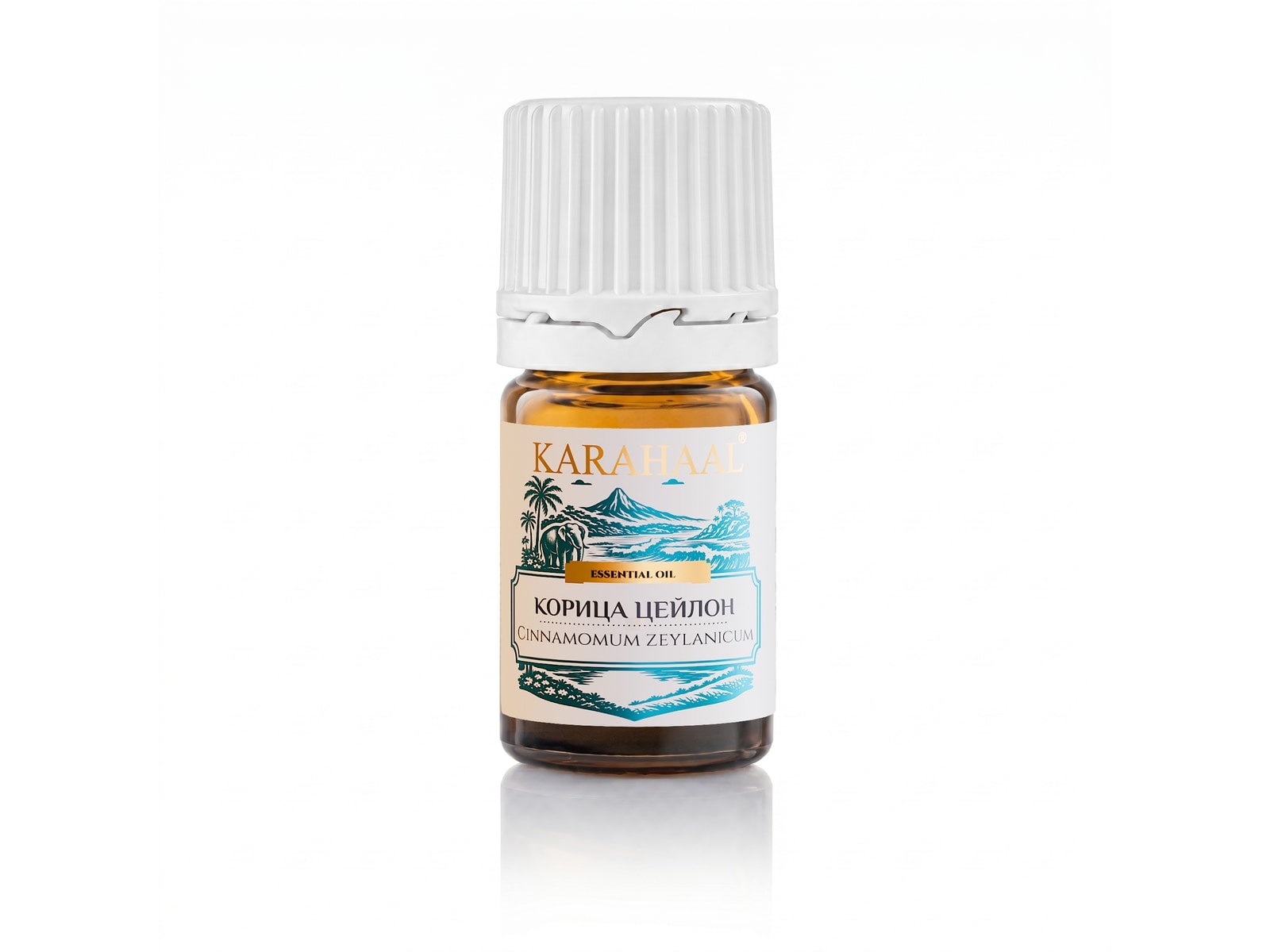
The Cinnamomum verum bark oil has an intense sweet-spicy aroma. Its research focus is antimicrobial activity, and its aromatic profile includes subtle warm accents in complex compositions.
What happens to the bacterial cell
In the study Staphylococcus aureus and Pseudomonas aeruginosa used flow cytometry, electron microscopy, and potassium efflux measurements. The bark oil disrupted membrane functions and metabolic processes. In Pseudomonas, membrane damage was accompanied by loss of membrane potential and respiratory activity; in Staphylococcus, the sequence of changes was different. [1]
The antimicrobial activity of cinnamon is studied for the development of preservative and topical formulations. When applied to the skin, safe concentration and even distribution of the oil in the carrier are especially important.
Warm aromatic direction
Cinnamon imparts a warm, expressive, and sweetly woody depth to the composition. Orange and mandarin make it lighter, sandalwood softens it, cedar adds dryness. Vanilla enhances the sweet character within a compatible perfumery base.
Strength and tolerance
Cinnamon bark essential oil is particularly irritating and sensitizing. It is not used for unblended muscle warming, application to mucous membranes, household rinsing, or internal consumption. A burning sensation indicates damaging effects, not enhanced therapeutic benefit.
Cinnamon bark and leaves
Leaf essential oil typically has a different primary chemistry and a more clove-like character. Doses and recipes between these materials are not transferable. For bark, professional formulation with verification of acceptable dosage and uniformity throughout the formula is preferred.
Blending suggestions
Orange and mandarin provide a light warm top note, sandal rounds out the spiciness, cedar adds dryness. Vanilla enhances sweetness in a professional perfumery formula.
Research in detail
How the bark oil affects bacterial cells
Experiments with Pseudomonas aeruginosa and Staphylococcus aureus used flow cytometry, electron microscopy and measurements of potassium released from cells. The bark oil disrupted membrane function and metabolic activity; the sequence of changes differed between the two bacteria. This provides a detailed mechanistic explanation of its antimicrobial potential. Its high activity in culture also highlights the need for a carefully developed and tested skin formulation. [1]
How to use
Examples for adults. Quantities are given for the entire bottle; for one application, take a small portion of the mixture. These are aromatic therapy routines, not medicinal dosages.
- Material for individually tailored professional blends. Do not apply concentrate to skin, mucous membranes, or damaged areas; do not ingest. No home therapeutic regimen is recommended with this product.
Precautions
Cinnamon bark is a strong skin irritant and sensitiser. Do not apply undiluted to skin or mucous membranes, add to a bath or ingest. For topical blends, a specialist must calculate a very low concentration precisely; no home therapeutic recipes are suggested here.
What to combine with this care
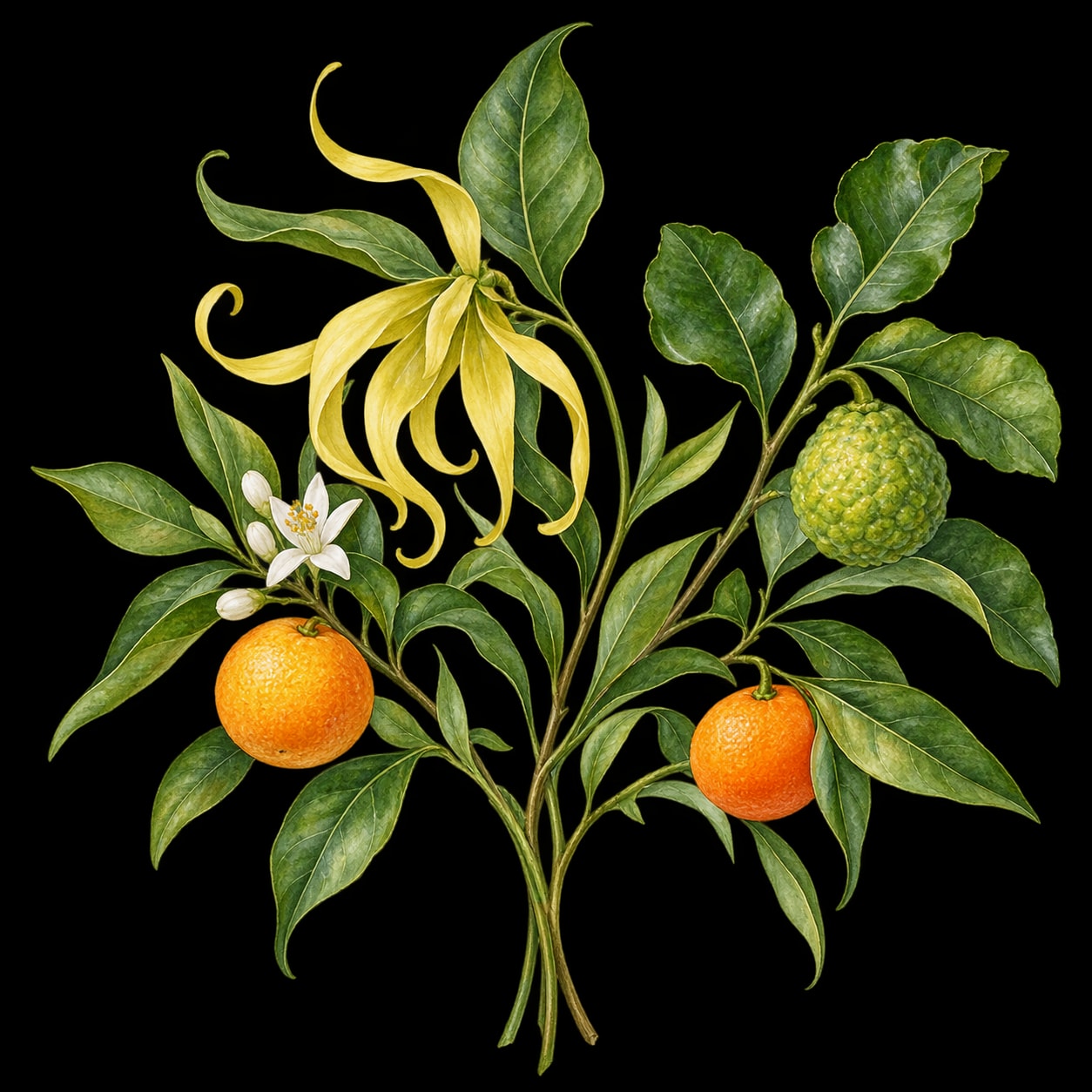
- Essential oil of sweet orange — Aromatic combination
- Mandarin essential oil — Aromatic combination
- White sandalwood essential oil BIO — Aromatic combination