Lemongrass: dandruff, microflora, and bright herbaceous freshness
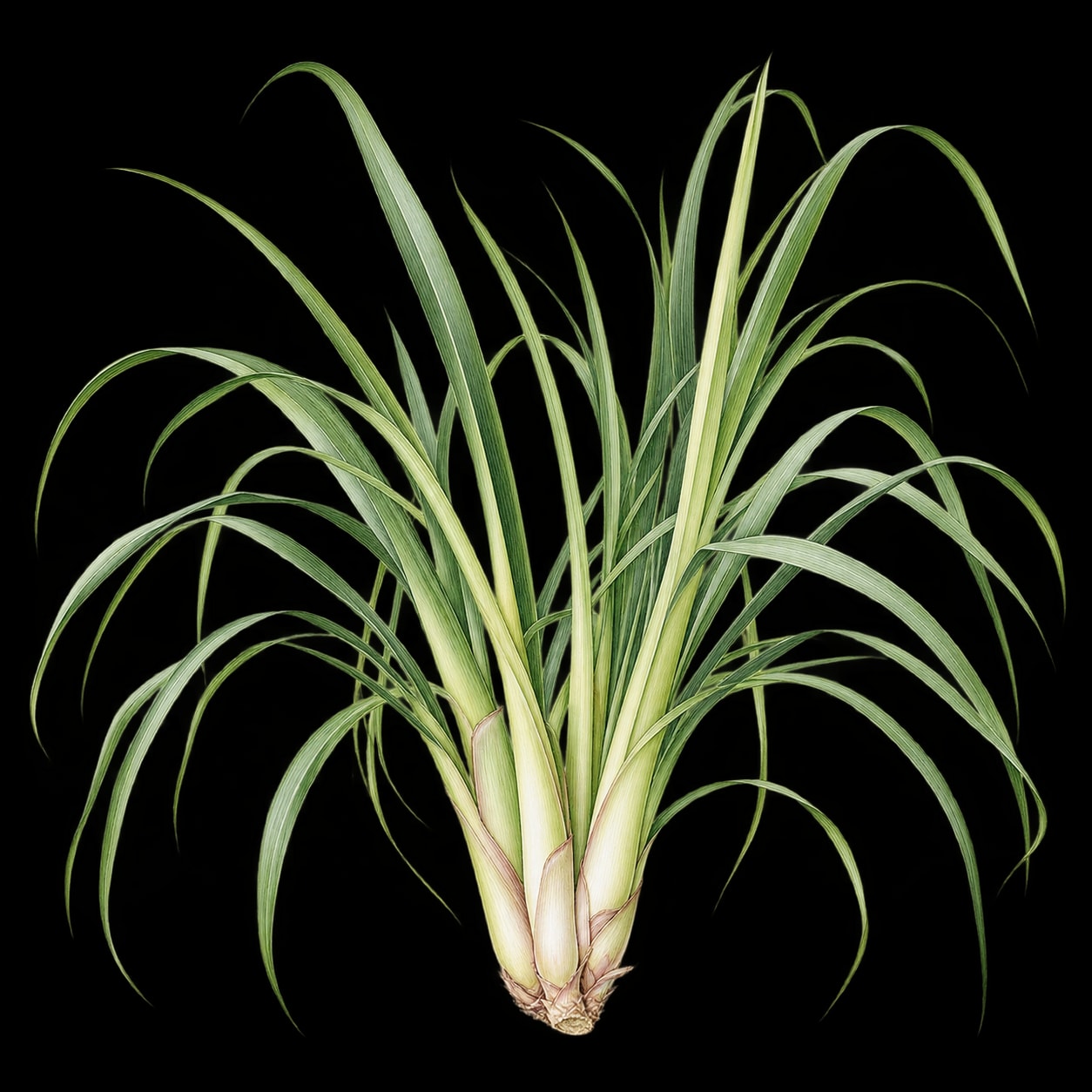
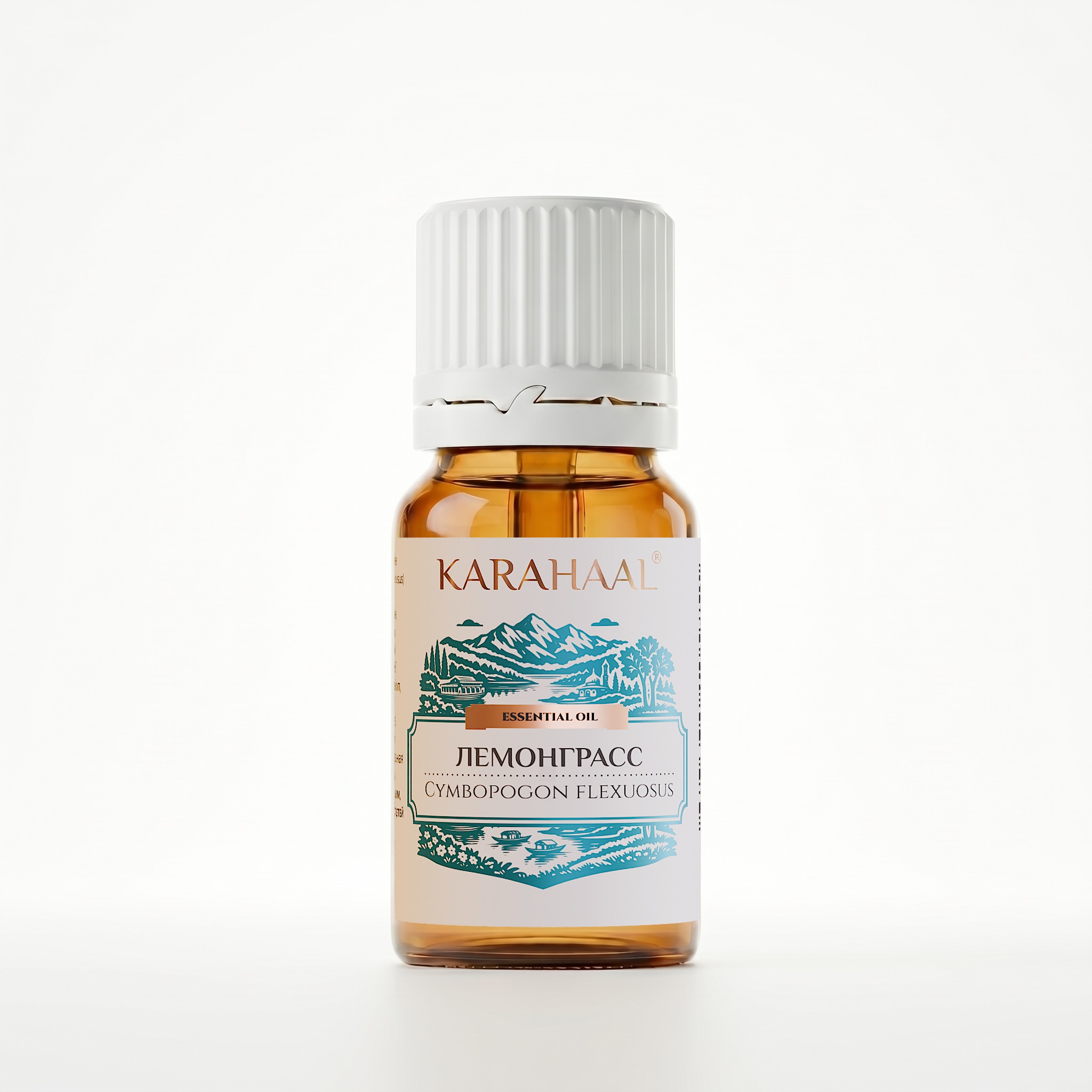
Lemongrass is chosen for its pronounced freshness and skin care aromatherapy, especially for the scalp and feet. Its scent is lemony, but more herbaceous and dense than citrus peel oil. This is a strong aromatic material that reveals its full character in small amounts.
Dandruff: study of a finished tonic
A double-blind study involving 30 volunteers assessed several tonics containing Cymbopogon flexuosus oil. Dandruff severity decreased, but the result depended on the formulation and did not simply improve as the concentration increased. One of the intermediate formulations performed best among those tested. [1]
For head skin care, the concentration of lemongrass and the overall base composition are important. Use a tested external recipe: high concentrations of the research tonic are not suitable for independent repetition. If there is persistent itching, redness, or flaking, the cause of the condition must be determined.
Deodorizing function
In aromatherapy and cosmetic practice, lemongrass is included in products for feet and body. Its intense fresh scent combines well with odor control. The formula should be even and gentle on the skin: irritation can negate the benefits of skincare.
Massage after exercise
A small amount of lemongrass gives the blend a sense of freshness and energy. Lavender softens the lemony sharpness, cedar adds a dry base, and geranium provides the floral heart. This is ideal for those who want a refreshing massage without strong menthol coolness.
Emotional sphere
Lemongrass creates a vibrant sensory shift. It's convenient to use during the day when sweet and thick aromas seem heavy. For evening blends, the amount is reduced and soft woody notes are added.
Blending suggestions
Lavender softens sharpness, geranium adds floral volume. Atlas cedar and patchouli hold the dry base, orange makes the lemony freshness warmer.
Research in detail
Anti-dandruff tonic: 30 volunteers
In a double-blind study, different head skin areas treated with tonics containing Cymbopogon flexuosus were compared. The authors observed a reduction in dandruff and differences between formulas. Ready-made tonics with a defined composition were studied; a separate safe recipe is required for home mixtures, taking into account the type of lemongrass. [1]
How to use
Examples for adults. Quantities are given for the entire bottle; for one application, take a small portion of the mixture. These are aromatic therapy routines, not medicinal dosages.
- Simple blend for local massage: 1 drop of lemongrass oil in 20 ml of jojoba. Mix in a clean bottle. Apply a small amount of the prepared blend to the shoulders or upper back and spread with gentle massage movements.
- Fresh daytime blend: 1 drop of lemongrass oil + 1 drop of true lavender essential oil in 30 ml of jojoba. Mix; use a small amount to gently massage the forearms or shoulders.
- Scenting without a diffuser: 1 drop on a paper towel or aromastone. Hold at a comfortable distance from the face, without touching the skin with the oil; several ordinary breaths are sufficient to assess the scent.
- “Lemongrass and Wood” blend: lemongrass oil — 1 drop; Atlas cedarwood oil — 1 drop; jojoba — 30 ml. Combine in a clean, dry bottle and mix. Use a small amount of the prepared blend to gently massage an adult’s shoulders or forearms, away from the face.
Precautions
Dilute in a carrier oil before applying to skin. Do not ingest or apply to mucous membranes; stop use if irritation occurs. A particularly low concentration is needed for skin use; the strength of the aroma is not a reason to increase the dose.
What to combine with this care
- “Provence” lavender essential oil — Aromatic combination
- Essential oil of sweet orange — Aromatic combination
- Rose geranium essential oil — Aromatic combination
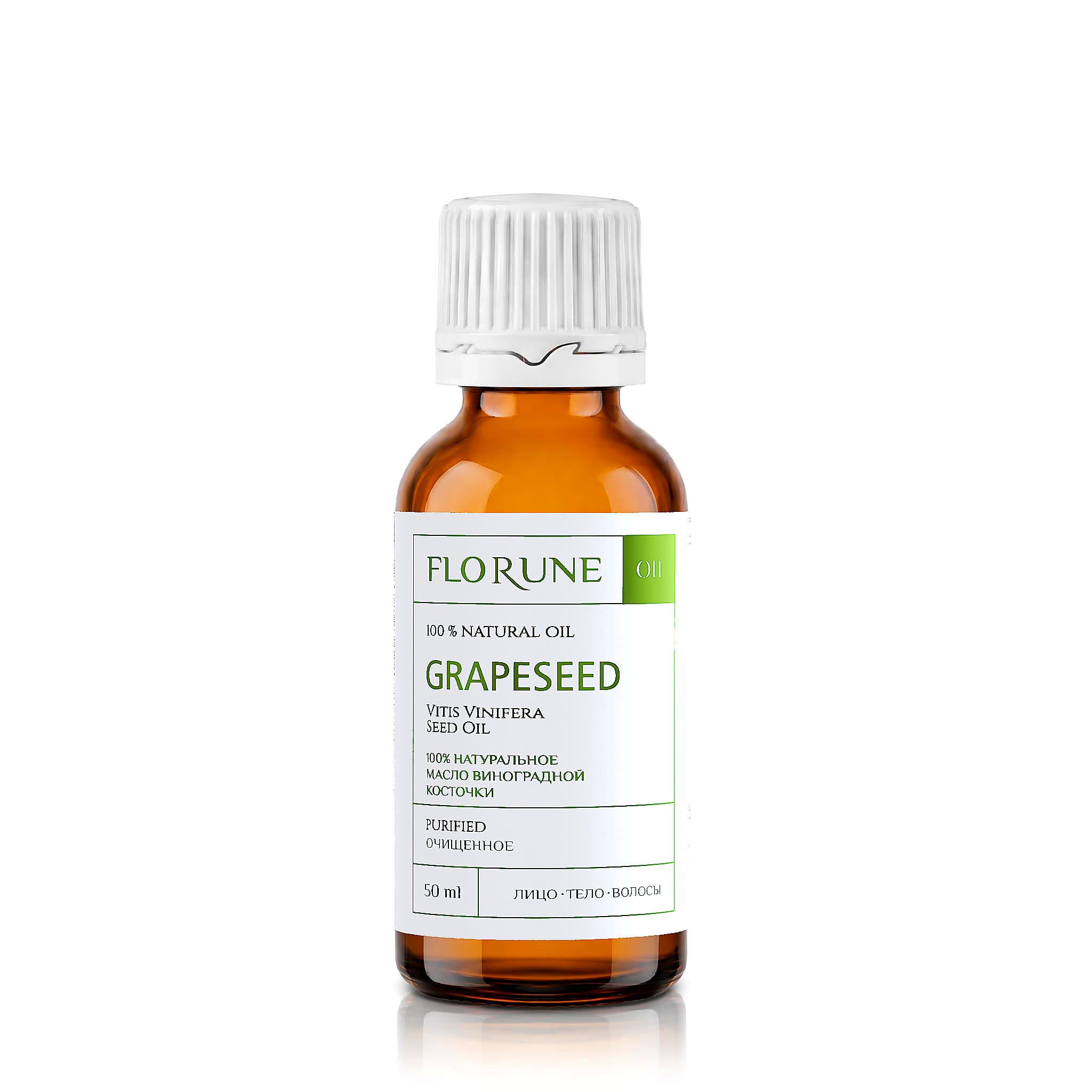
- Jojoba oil — Base for the oil recipes above
- Atlas cedar essential oil