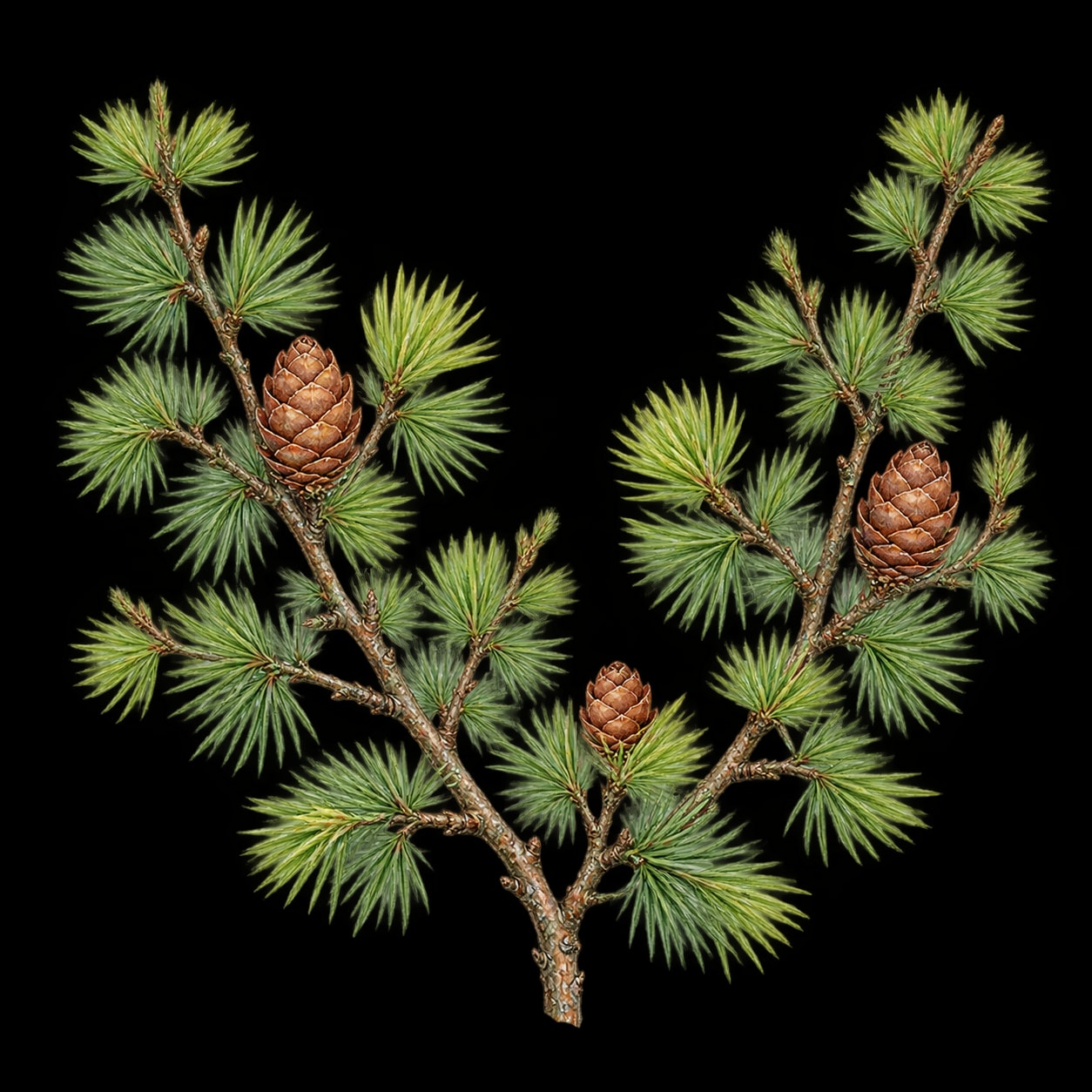
Siberian larch: relaxation, breathing, and muscle recovery
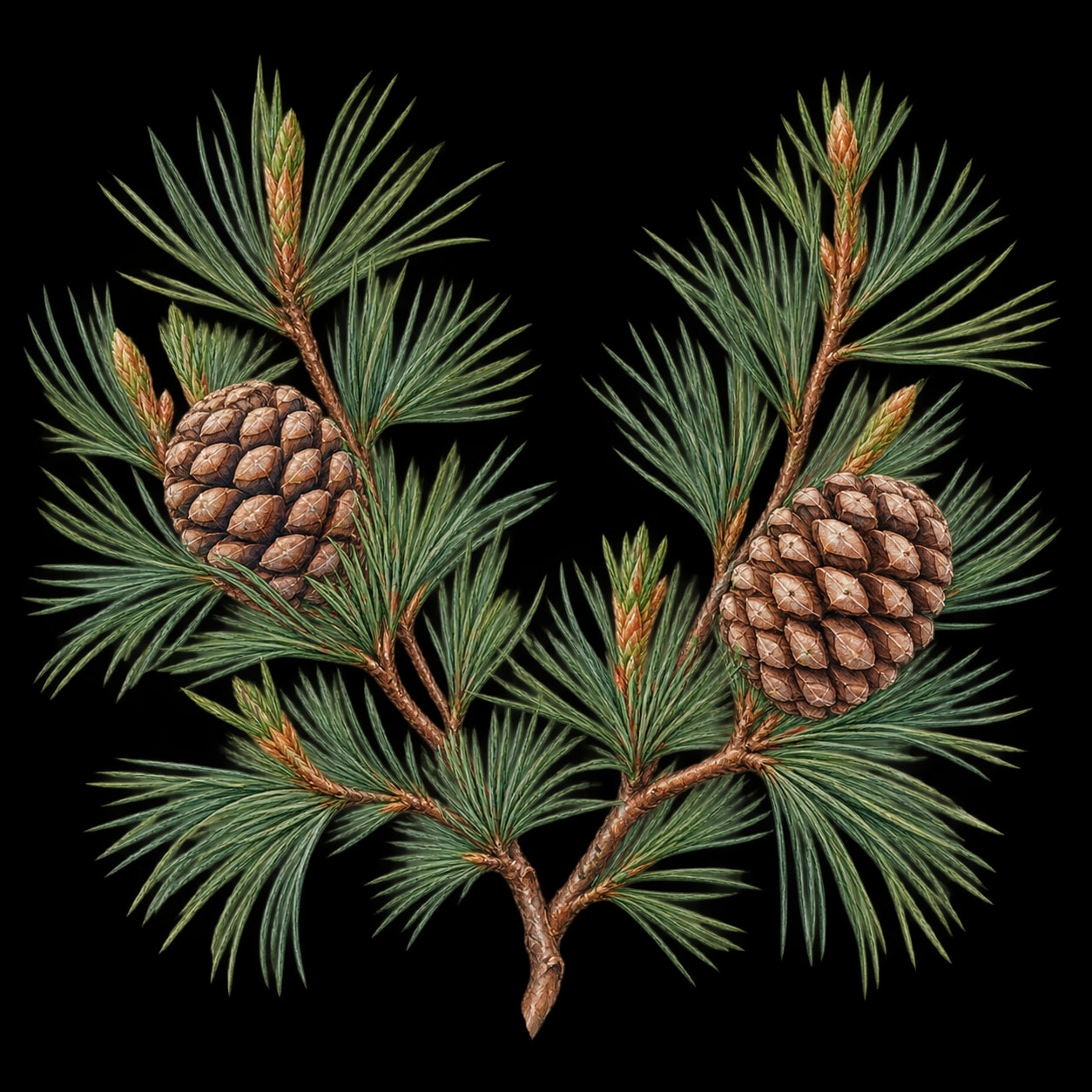
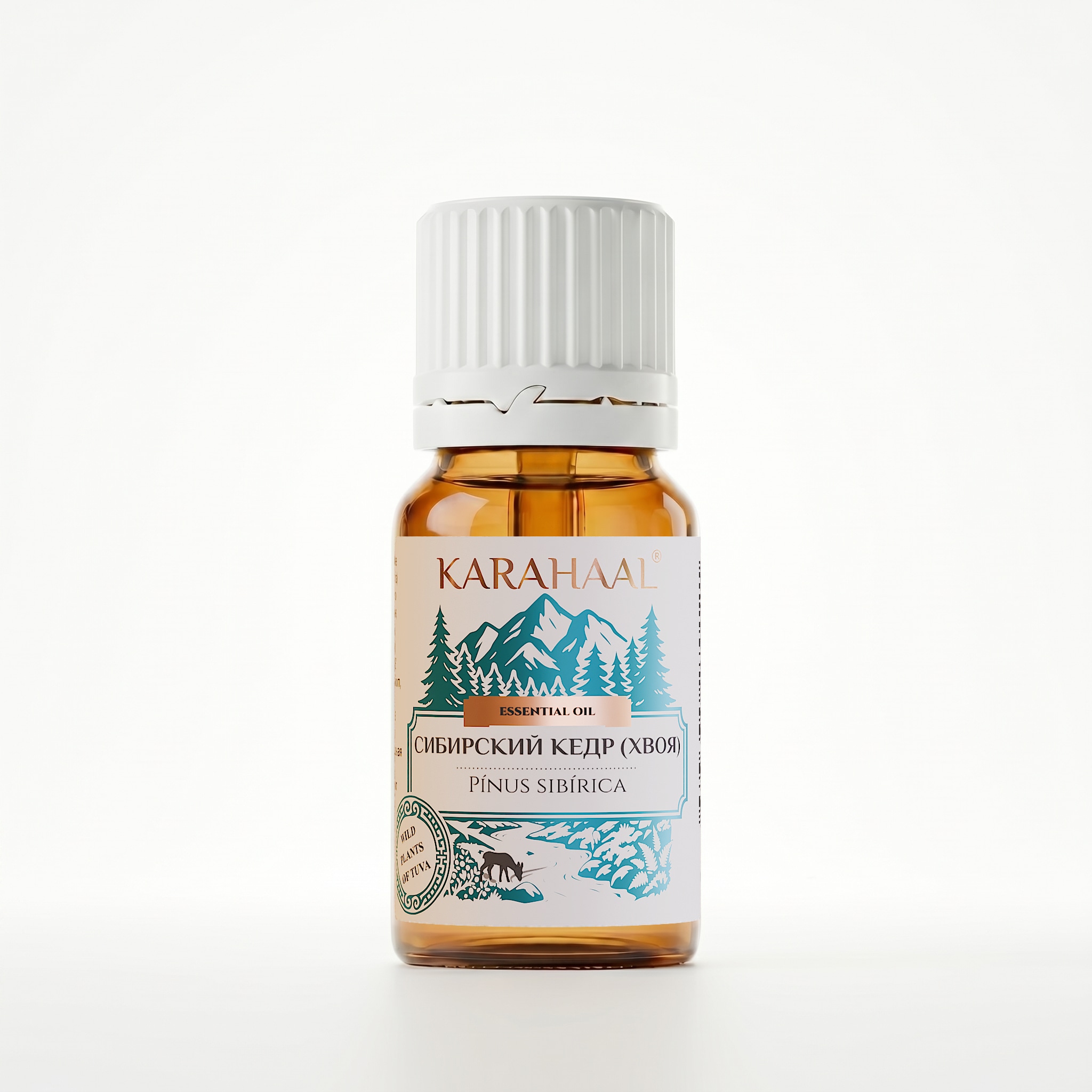
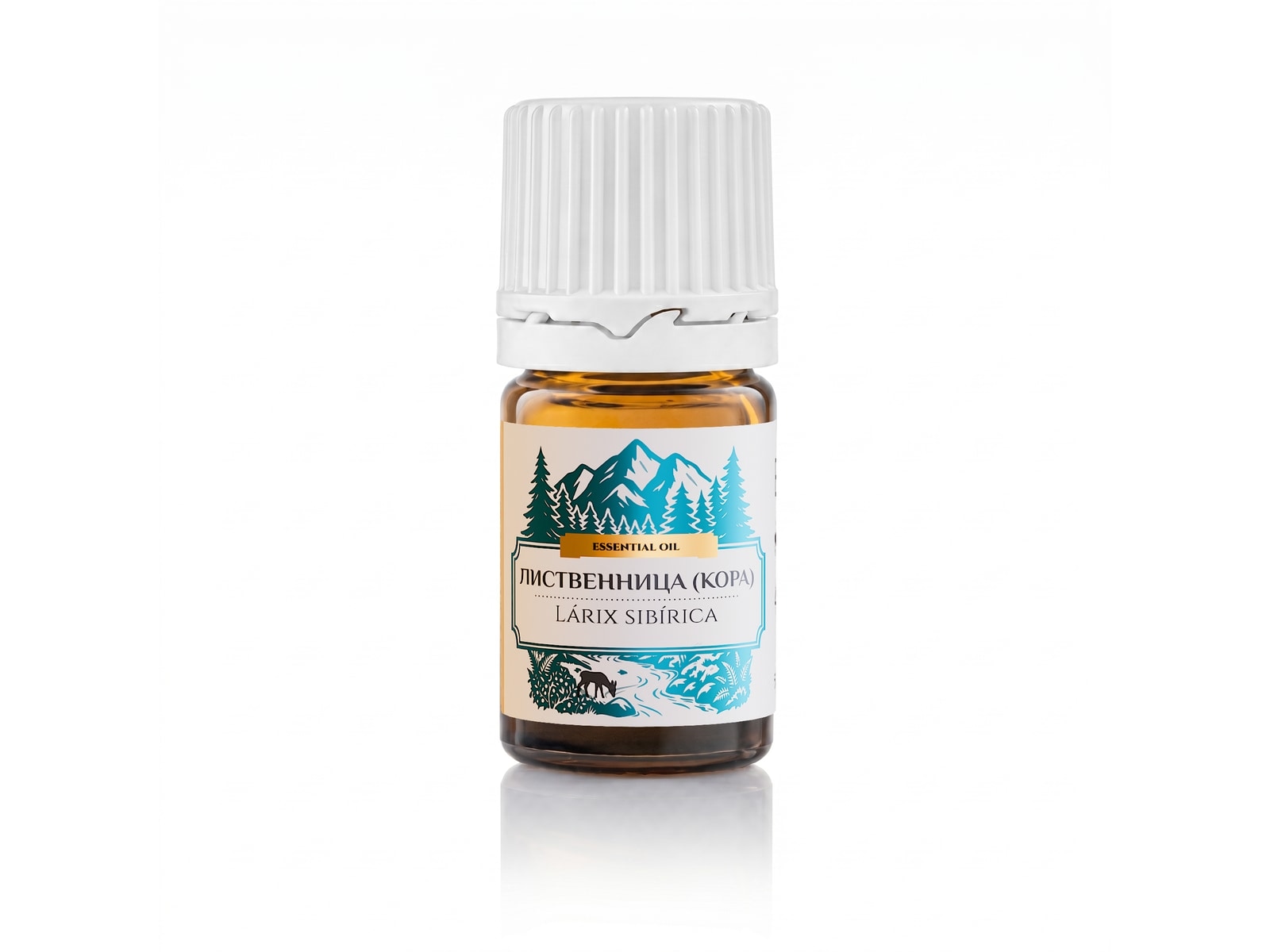
Siberian larch combines a light coniferous freshness with a dry woody depth. Its therapeutic profile in aromatherapy encompasses the nervous system, muscles, and respiratory pathways. This is an interesting choice for those seeking a forest oil with a pronounced relaxing character.
Therapeutic application
The monograph KARAHAAL describes the anti-inflammatory, analgesic, and spasmolytic properties of larch in aromatherapy practice. External use is associated with muscle pain and tension after physical exertion; respiratory use is linked to expectorant and mucolytic formulations for seasonal cough. Separate mention is made of its calming effect and support during anxiety-related stress. [1]
3-Carene and sleep mechanisms
In an experimental study of isolated 3-carene, changes in sleep parameters were observed upon controlled administration. In neuronal experiments, the component enhanced inhibitory transmission via GABA-A receptors. The study is focused on the isolated molecule that is part of a range of coniferous essential oils. [2]
How it unfolds in care
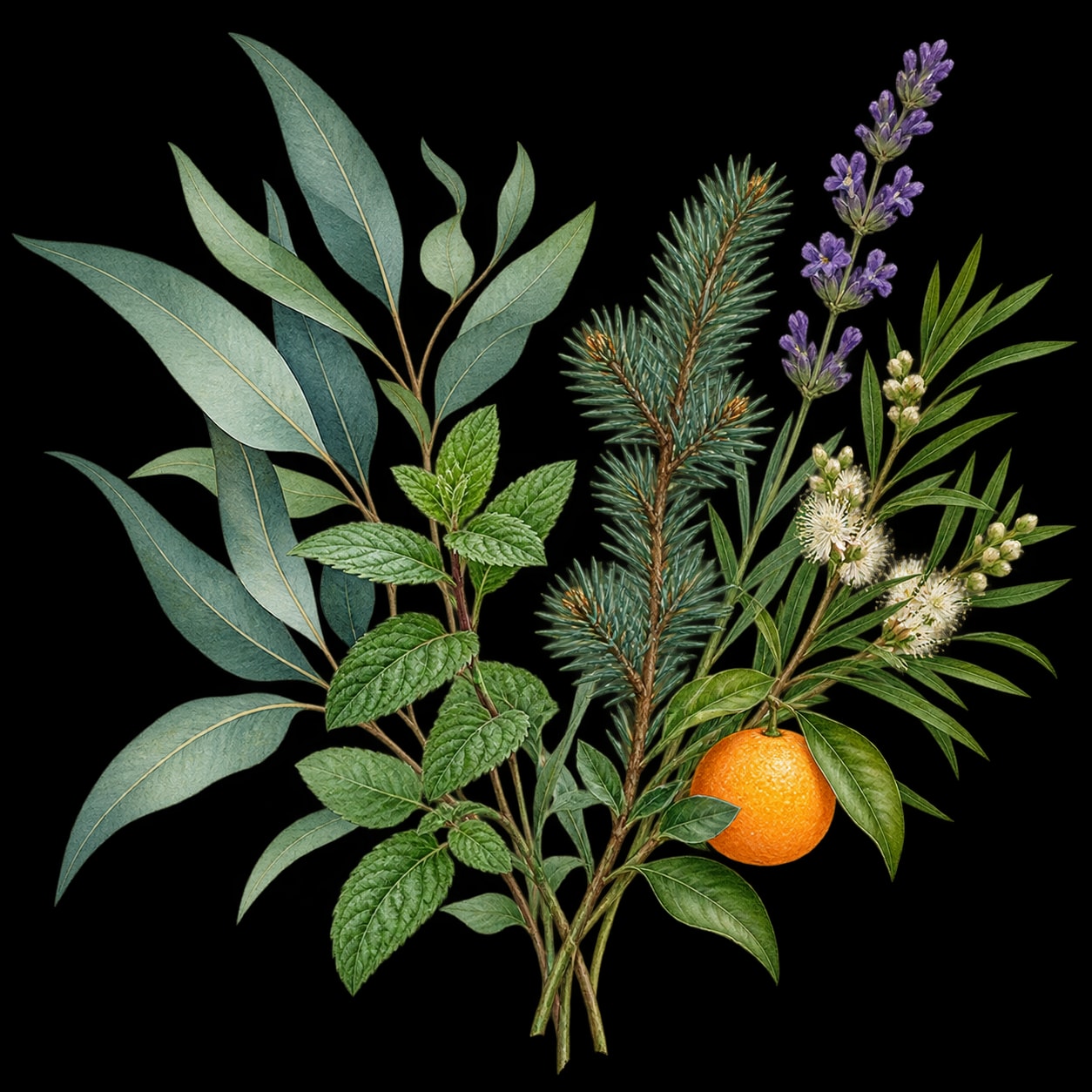
Siberian larch is suitable for a calm forest composition after physical or emotional exertion. Lavender supports the evening direction, mandarin adds softness, fir enhances the coniferous freshness. When massaged, the aroma's purpose is to accompany a comfortable touch, without becoming sharp or intrusive.
Emotional sphere
In the monograph, larch is associated with anxiety, difficulties in switching, and excessive internal tension. Its aroma may serve as a useful cue for a pause: the fresh start gradually transitions into a calmer woody base. For a daytime composition, citrus would be suitable; for an evening composition, a small amount of patchouli or vetiver would work well. [1]
Blending suggestions
Mandarin softens the coniferous note; lavender suits evening relaxation; cypress adds dryness; fir strengthens the forest character; and patchouli creates a lasting warm base.
How to use
Original formulations for adults with a small amount of aromatic component. Mix in a dry, clean bottle; the listed composition refers to the entire bottle, and a small portion is taken per use. Drop amounts are approximate.
- Coniferous massage after physical exertion: Siberian larch — 1 drop, jojoba — 10 ml. Mix in a bottle, apply a small amount to calves or shoulders, and gently massage.
- For relaxation with a gentle coniferous aroma: Siberian larch — 1 drop, lavender with narrow leaves — 1 drop, jojoba — 20 ml. Apply a small amount to the forearms; the floral note softens the dry woody base.
Precautions
Do not ingest. Use a diluted blend on the skin. Protect from heat, light and air: oxidised conifer oils are more likely to irritate the skin. For kidney disease, during pregnancy or for children, an individually selected approach is required.
What to combine with this care
- “Provence” lavender essential oil — Aromatic combination
- Mandarin essential oil — Aromatic combination
- Essential oil of Cypress — Aromatic combination
Sources
- KARAHAAL. Monograph Larix sibirica, pp. 18–20 of the provided catalog.
- Woo et al. 3-Carene, a Phytoncide from Pine Tree Has a Sleep-enhancing Effect by Targeting the GABAA-benzodiazepine Receptors. 2019.
- Robert Tisserand. Dilution for essential oils: principles and concentration ranges.