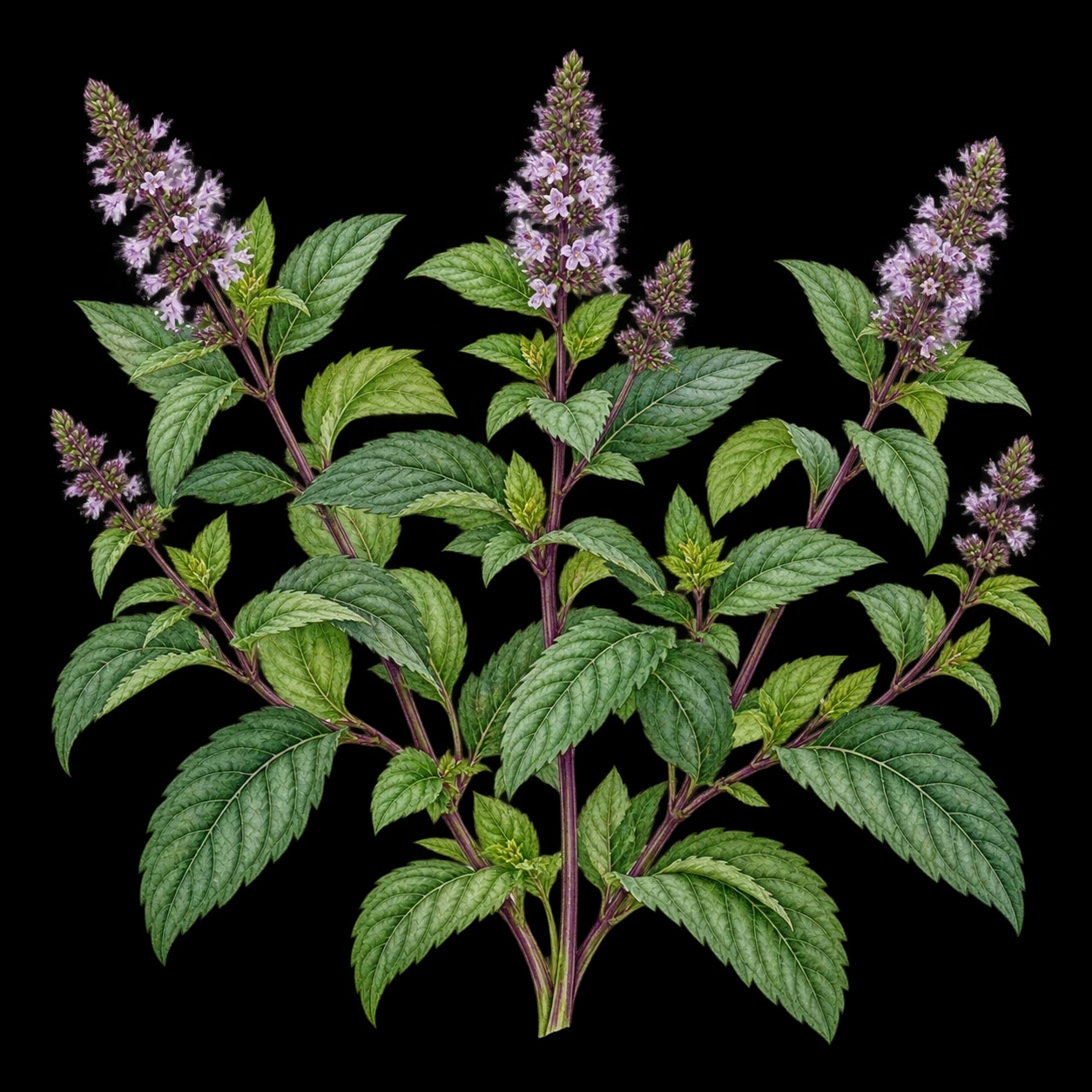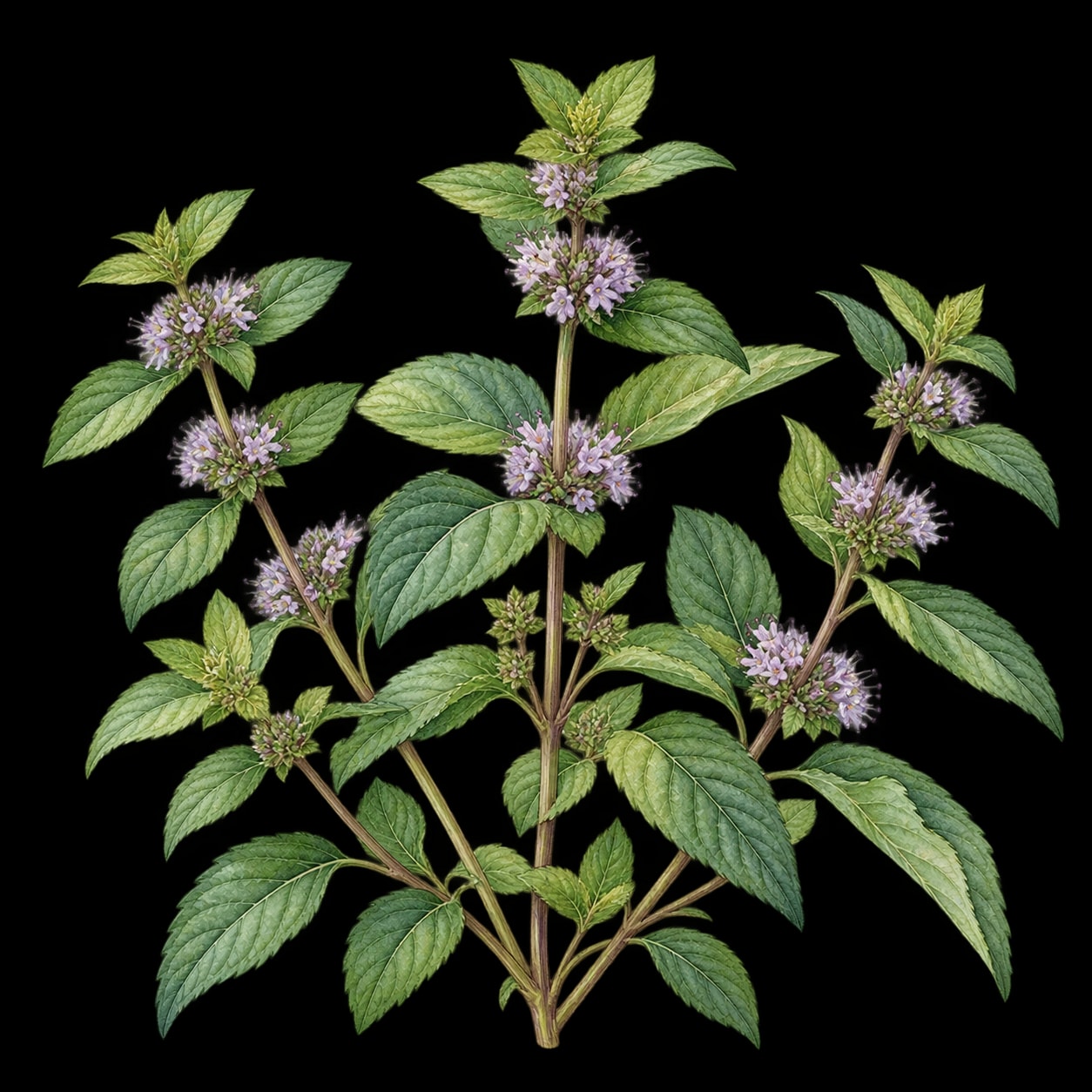
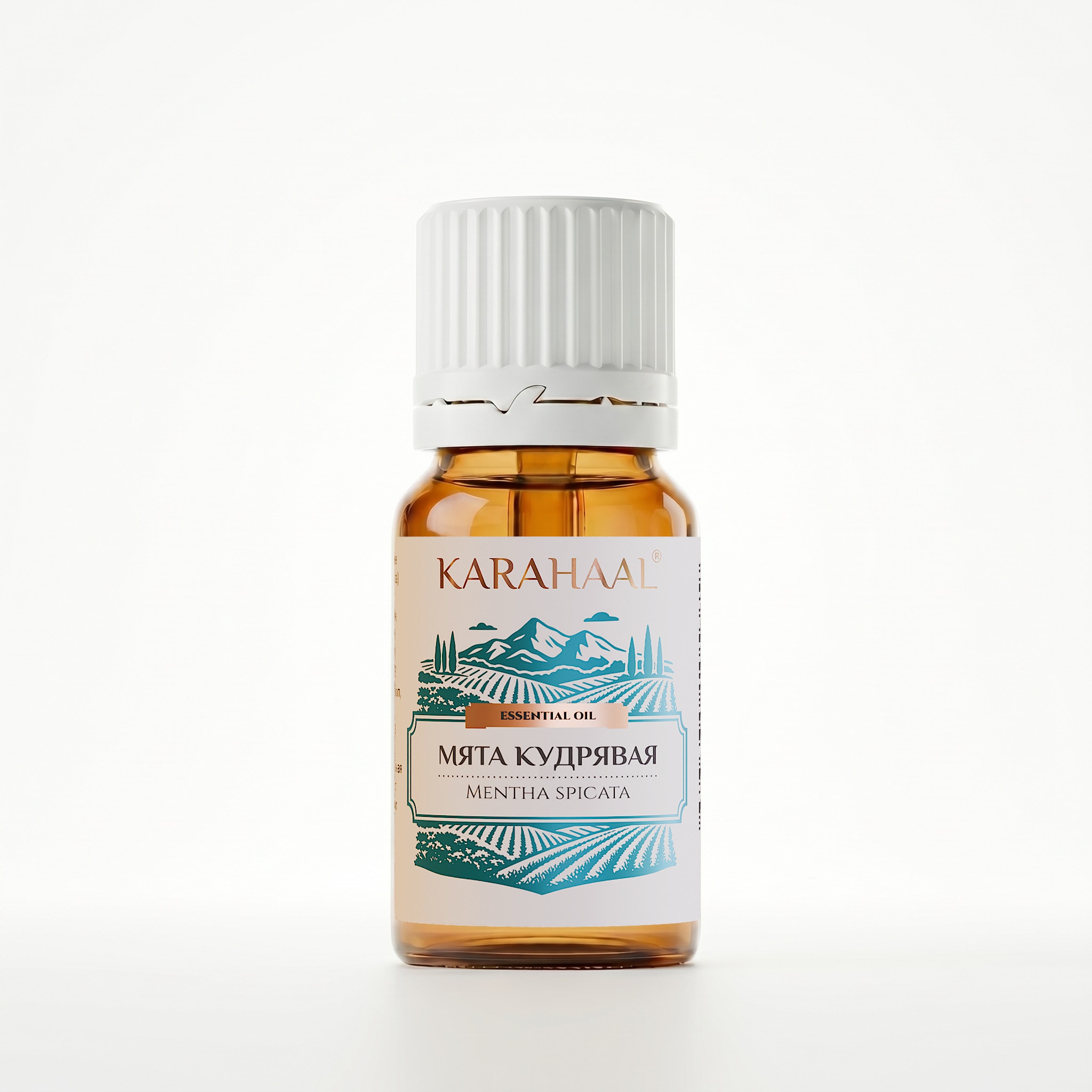
Spearmint: soft freshness and anti-inflammatory properties
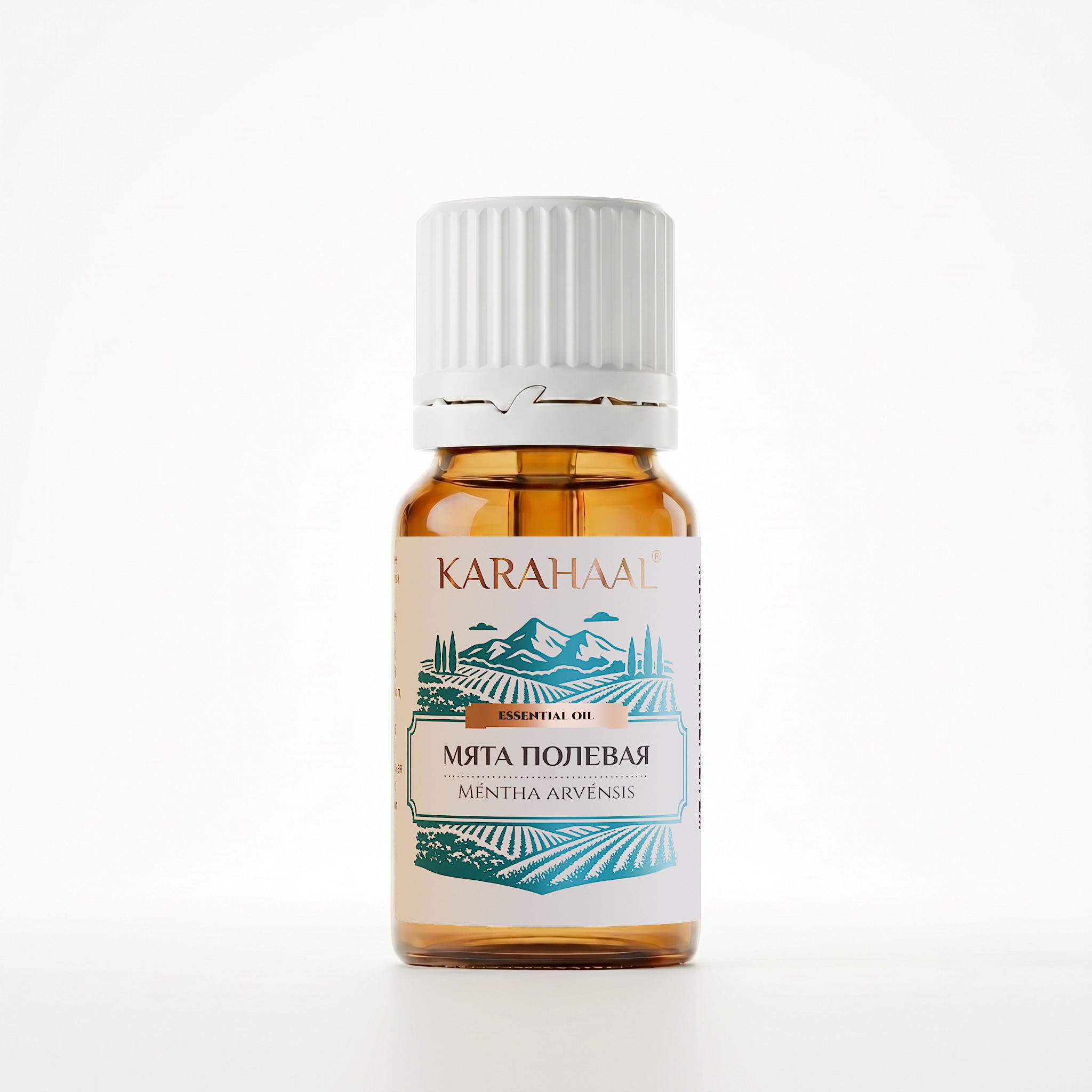
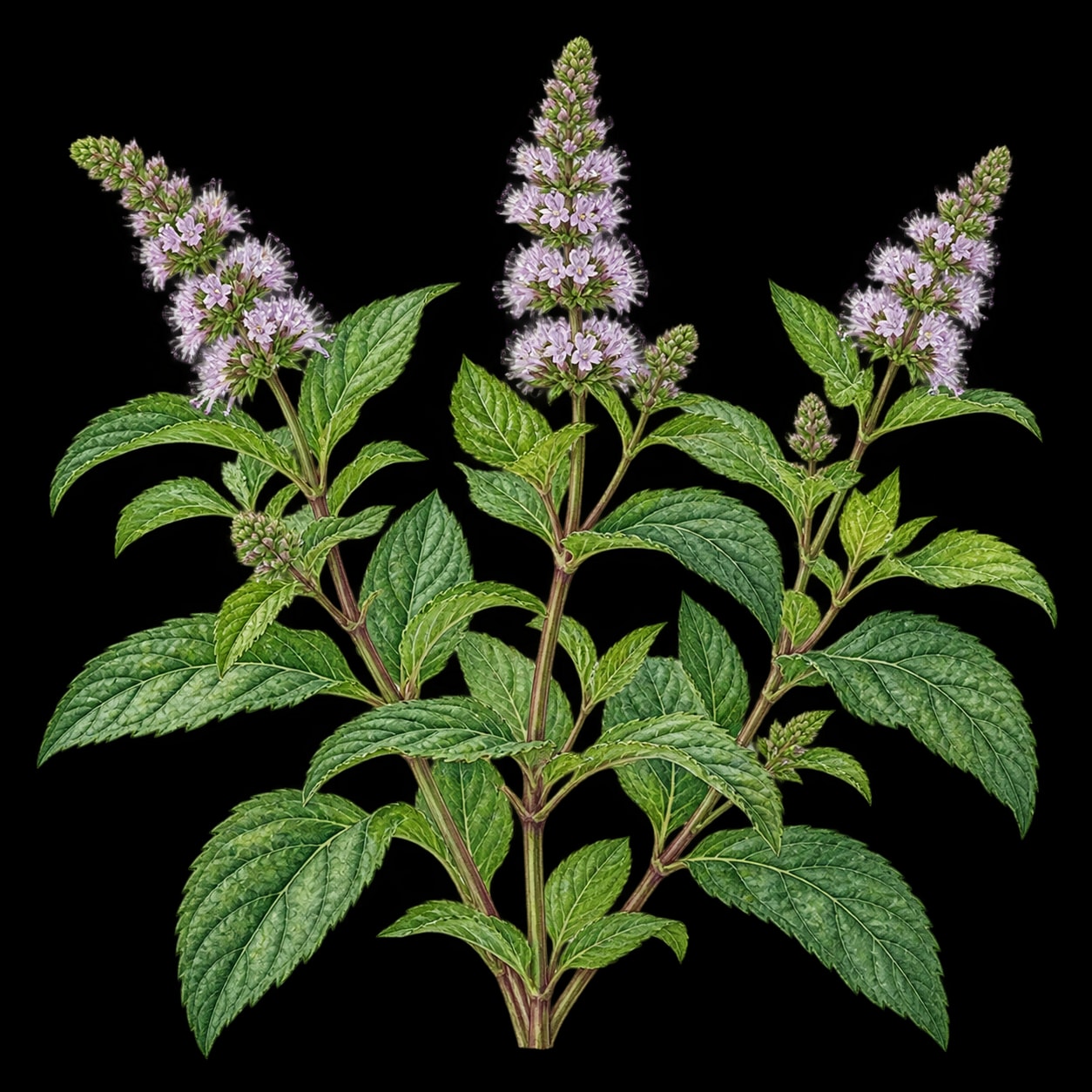
Spearmint is suitable for those who enjoy a minty aroma but find intense mentholic coolness too sharp. Its scent is slightly sweet, fresh, with a soft seed-like spiciness. The main aromatic reference here is carvone.
Inflammation and pain responses
In an experimental comparison of three types of mint, carvone oil Mentha spicata reduced inflammatory edema and pain responses. The intensity of the response depended on the dose. The study reveals the anti-inflammatory and analgesic potential of spearmint. [1]
Spearmint differs from peppermint in its carvone character: its aroma is softer and less mentholated. Several chemical profiles of mint essential oils, including carvone, menthol, and pipernone oxide, were studied in comparative analysis.
Gastrointestinal properties
In aromatherapy tradition, gentle spearmint blends are used when feeling heaviness and tension in the abdomen. For adult care, this may be a well-diluted mixture for gentle massage, if the discomfort is familiar and mild. New or severe pain requires investigation into the cause.
Emotional shift
Spearmint gives a feeling of freshness without an overly sharp icy note. It pairs well with mandarin for a light daytime scent, with lavender for a calmer atmosphere, and with cardamom for a fresh, spicy composition. It's ideal for a short aromatic pause after monotonous work.
A mild scent does not make the oil inherently safe. It is also diluted for skin application and should not be applied near the face of young children. Selection should be based on individual tolerance to the specific aroma, not just the common association of mint with food.
Blending suggestions
Mandarin and orange highlight a gentle sweetness, lavender adds a calm herbal background. Cardamom makes the blend spicier, cedar holds the dry base.
Research in detail
Carvone mint in pain and inflammation models
In an experimental study, three types of mint with menthol, carvone, and piperitenone oxide profiles were compared. Carvone oil Mentha spicata demonstrated anti-inflammatory and analgesic potential with a dose-dependent response. The comparison focuses on the relationship between chemical composition and biological activity. [1]
How to use
Examples for adults. Quantities are given for the entire bottle; for one application, take a small portion of the mixture. These are aromatic therapy routines, not medicinal dosages.
- Simple blend for local massage: 1 drop of spearmint oil bio in 10 ml of jojoba. Mix in a clean bottle. Apply a small amount of the prepared blend to the shoulders or upper back and spread with gentle massage movements.
- Fresh daytime blend: 1 drop of spearmint oil bio + 1 drop of true lavender essential oil in 20 ml of jojoba. Mix; use a small amount to gently massage the forearms or shoulders.
- Scenting without a diffuser: 1 drop on a paper towel or aromastone. Hold at a comfortable distance from the face, without touching the skin with the oil; several ordinary breaths are sufficient to assess the scent.
- “Green Spice” blend: spearmint oil BIO — 1 drop; cardamom oil — 1 drop; jojoba — 20 ml. Combine in a clean, dry bottle and mix. Use a small amount of the prepared blend to gently massage an adult’s shoulders or forearms, away from the face.
Precautions
Dilute in a carrier oil before applying to skin. Do not ingest or apply to mucous membranes; stop use if irritation occurs.
What to combine with this care
- “Provence” lavender essential oil — Aromatic combination
- Essential oil of sweet orange — Aromatic combination
- Mandarin essential oil — Aromatic combination
- Jojoba oil — Base for the oil recipes above
- Cardamom essential oil