Black pepper: muscles, anti-inflammatory potential, and focus
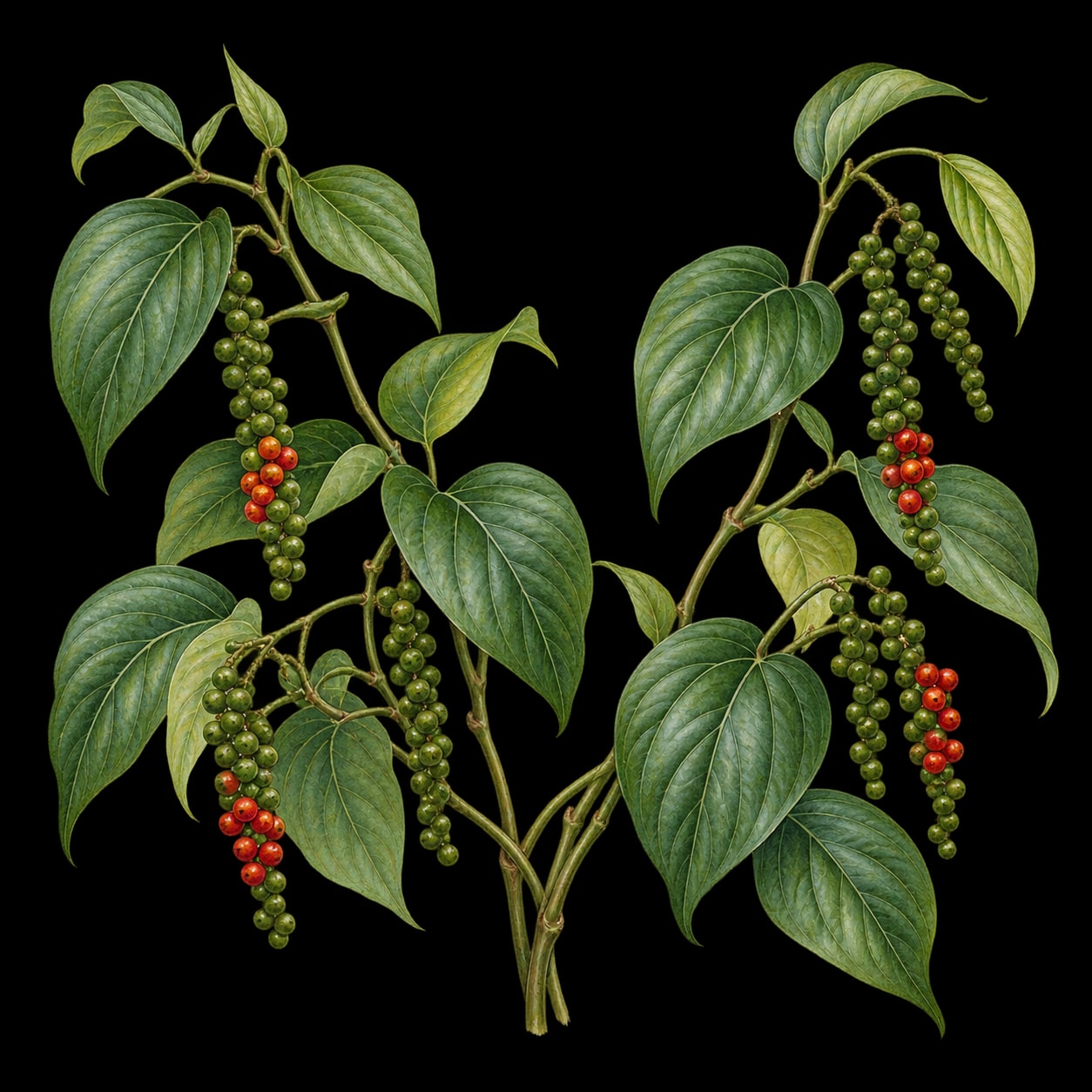
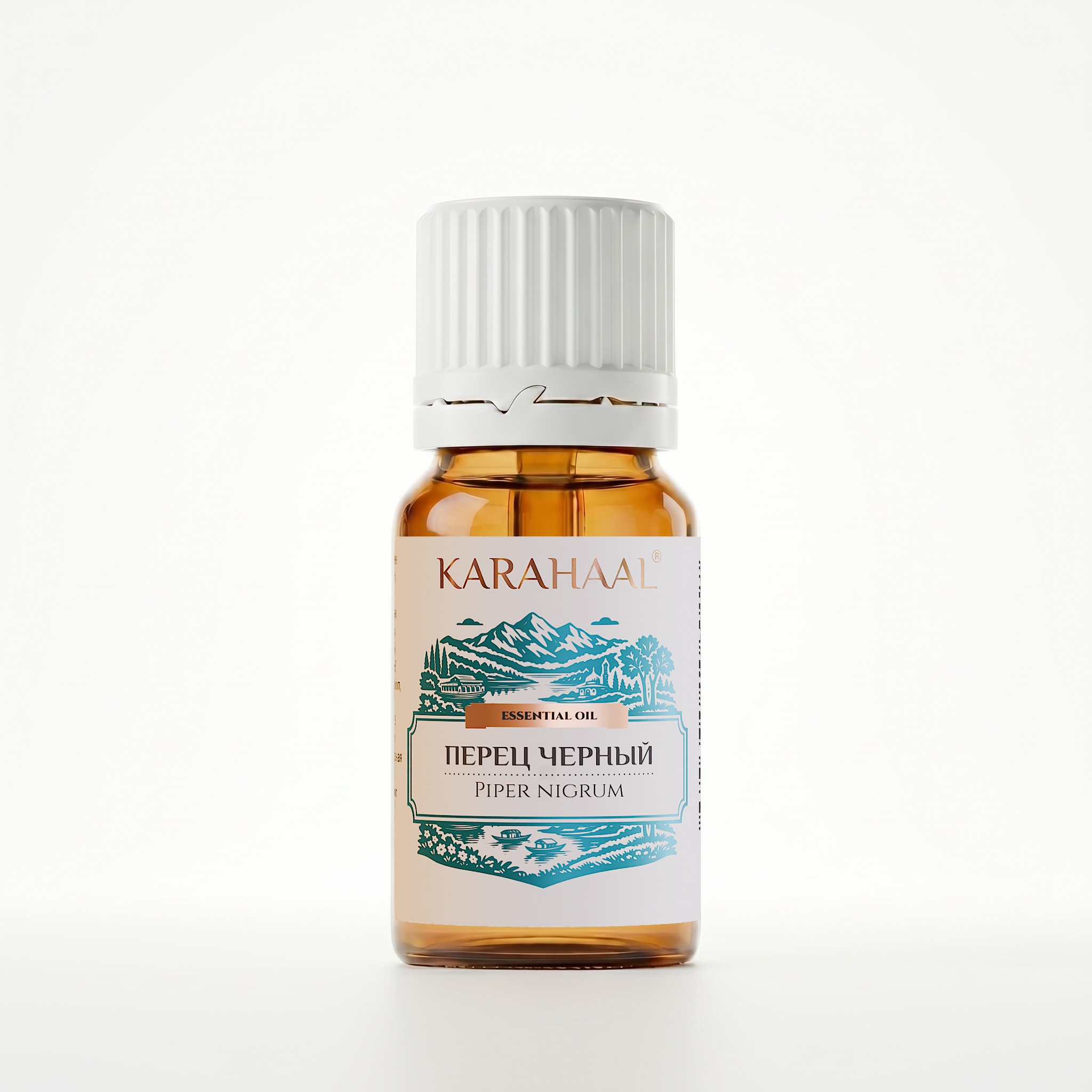
Black pepper oil is chosen for warm massage after physical exertion and active daytime blends. Its scent is dry, woodsy, and spicy with an unexpectedly fresh beginning. It does not replicate the burning sensation of ground black pepper: the feeling of culinary spiciness is associated with a different part of the plant's chemistry.
Muscle tension and anti-inflammatory action
In aromatherapy, black pepper is traditionally used in warming blends for tired muscles and a feeling of stiffness. Lavender makes such a massage softer, rosemary adds a fresh herb note, sandalwood maintains a warm background.
At the molecular level, β-caryophyllene is of interest. In a laboratory study, it interacted with the CB2 receptor and reduced inflammatory signals. CB2 is associated with inflammation regulation; this effect differs from psychoactive effects through CB1. The study reveals the properties of one component of black pepper oil. [1]
Smoking cravings: an unusual clinical approach
In a study with 48 smokers after a night of abstinence, a device delivering black pepper oil vapors was used. Participants reported reduced cigarette cravings compared to control conditions; some unpleasant emotional sensations also decreased. The study examined a short-term response during one session, not the success of long-term smoking cessation. [2]
This research area does not involve adding oil to an e-cigarette, nebulizer, or smoking liquid.
Emotional sphere
Black pepper is suitable for compositions that require warmth and energetic character without sweetness. Orange makes it brighter, Cypress makes it drier, Lavender makes it calmer. For massage, a small amount of black pepper is usually more expressive than attempting to make the entire mixture sharply pungent.
Blending suggestions
Lavender softens the spice, and orange adds a bright top note. Rosemary strengthens the daytime character, sandalwood rounds out the base, and cypress makes it drier.
Research in detail
Aromatic sensations during brief abstinence from smoking
In a study involving 48 smoking participants after overnight abstinence, participants used a special device with a black pepper, mint-menthol, or empty cartridge. During a three-hour session, the black pepper group reported lower smoking desire compared to control conditions. Researchers evaluated short-term response. Essential oil is not used in home vaporizers. [2]
β-Caryophyllene and CB2 receptor
In a laboratory study, β-caryophyllene interacted with CB2 receptors and demonstrated anti-inflammatory potential in experimental models. The study focuses on a specific molecule. In black pepper oil, it is part of a complex spicy profile. [1]
How to use
Examples for adults. Quantities are given for the entire bottle; for one application, take a small portion of the mixture. These are aromatic therapy routines, not medicinal dosages.
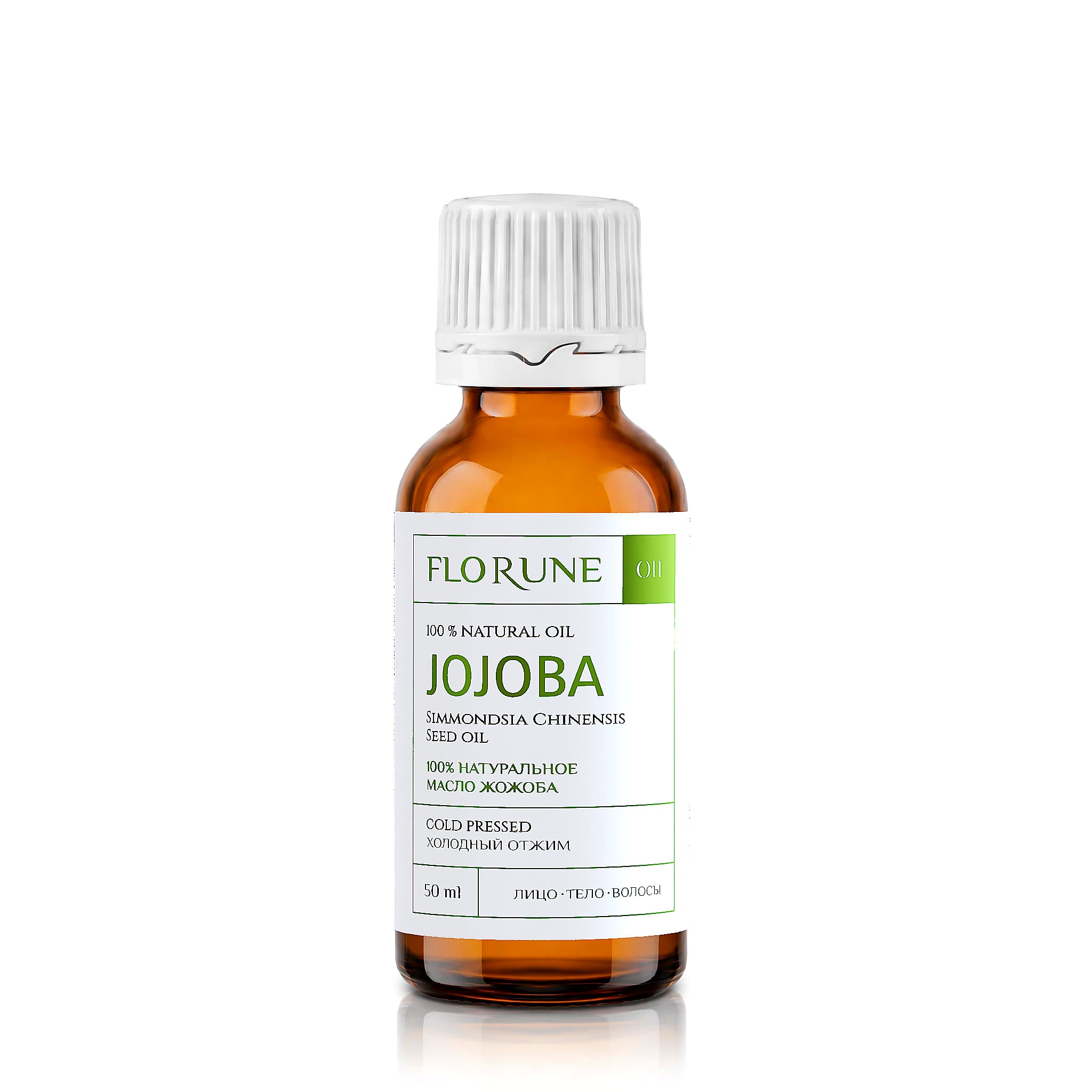
- Simple blend for local massage: 1 drop of black pepper oil in 10 ml of jojoba. Mix in a clean bottle. Apply a small amount of the prepared blend to the shoulders or upper back and spread with gentle massage movements.
- Fresh daytime blend: 1 drop of black pepper oil + 1 drop of true lavender essential oil in 20 ml of jojoba. Mix; use a small amount to gently massage the forearms or shoulders.
- Scenting without a diffuser: 1 drop on a paper towel or aromastone. Hold at a comfortable distance from the face, without touching the skin with the oil; several ordinary breaths are sufficient to assess the scent.
- “Dry Spice” blend: black pepper oil — 1 drop; sweet orange oil — 1 drop; jojoba — 20 ml. Combine in a clean, dry bottle and mix. Use a small amount of the prepared blend to gently massage an adult’s shoulders or forearms, away from the face.
Precautions
Dilute in a carrier oil before applying to skin. Do not ingest or apply to mucous membranes; stop use if irritation occurs.
What to combine with this care
- “Provence” lavender essential oil — Aromatic combination
- Essential oil of sweet orange — Aromatic combination
- White sandalwood essential oil BIO — Aromatic combination
- Jojoba oil — Base for the oil recipes above