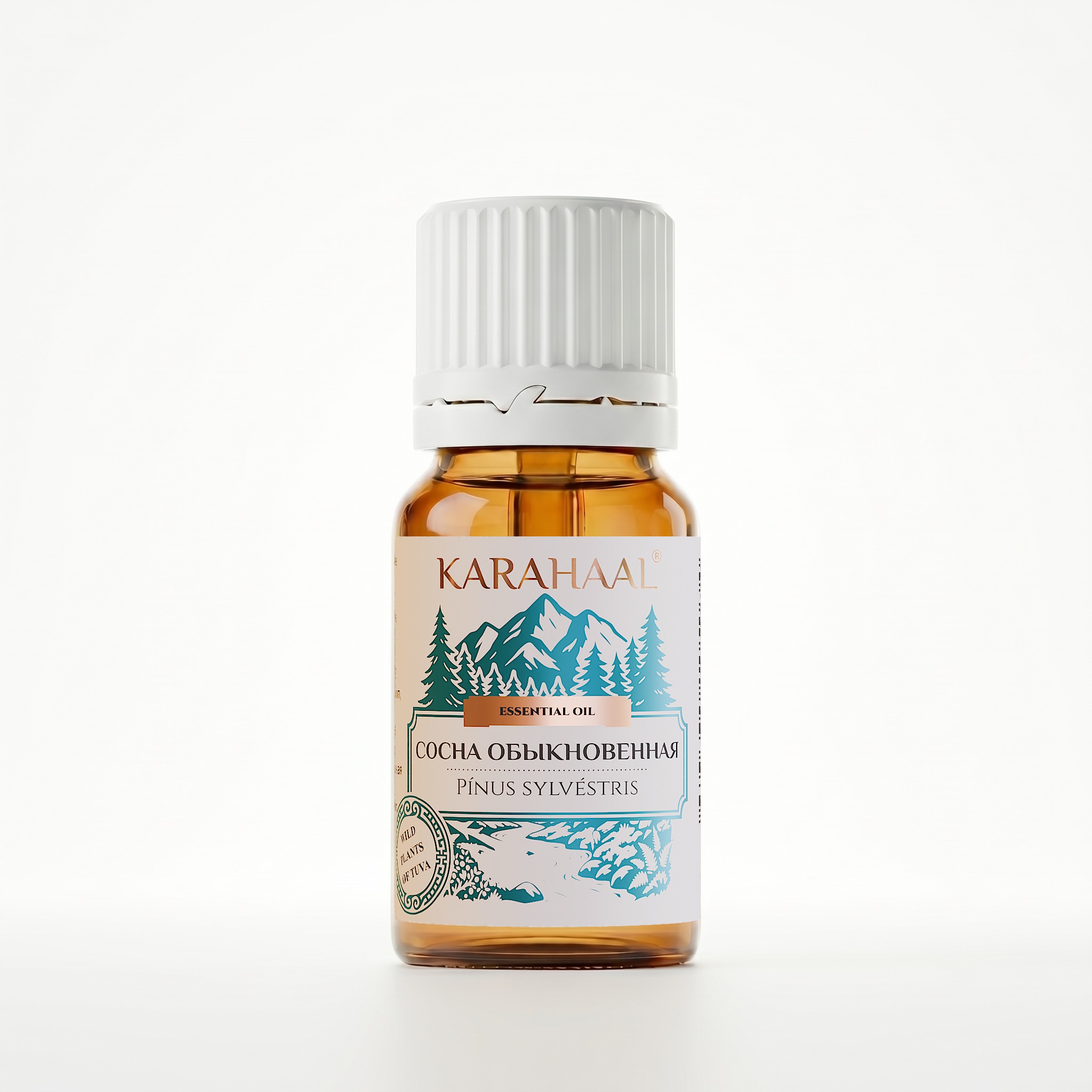
Scots pine: breathing, muscles, and recovery after exertion
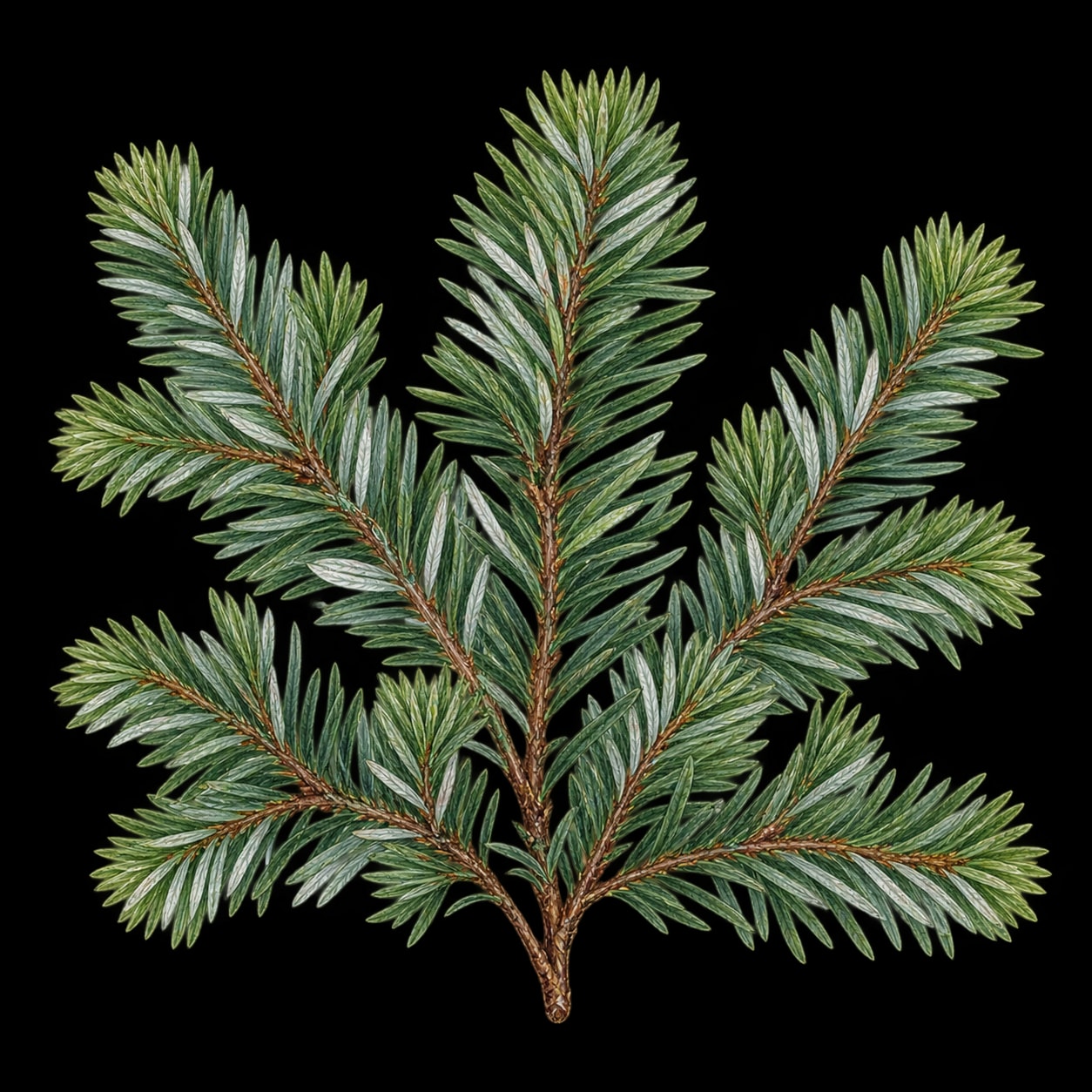
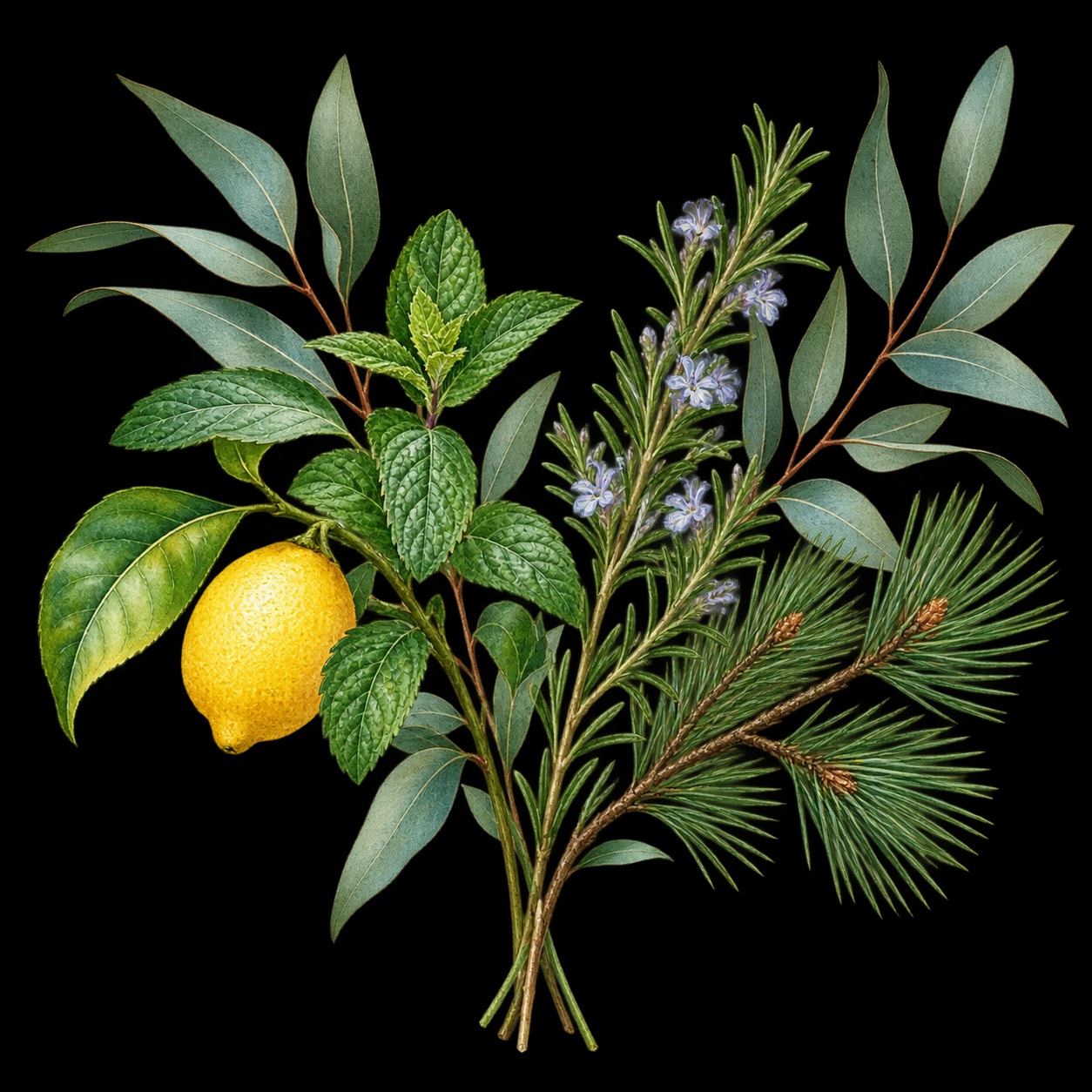
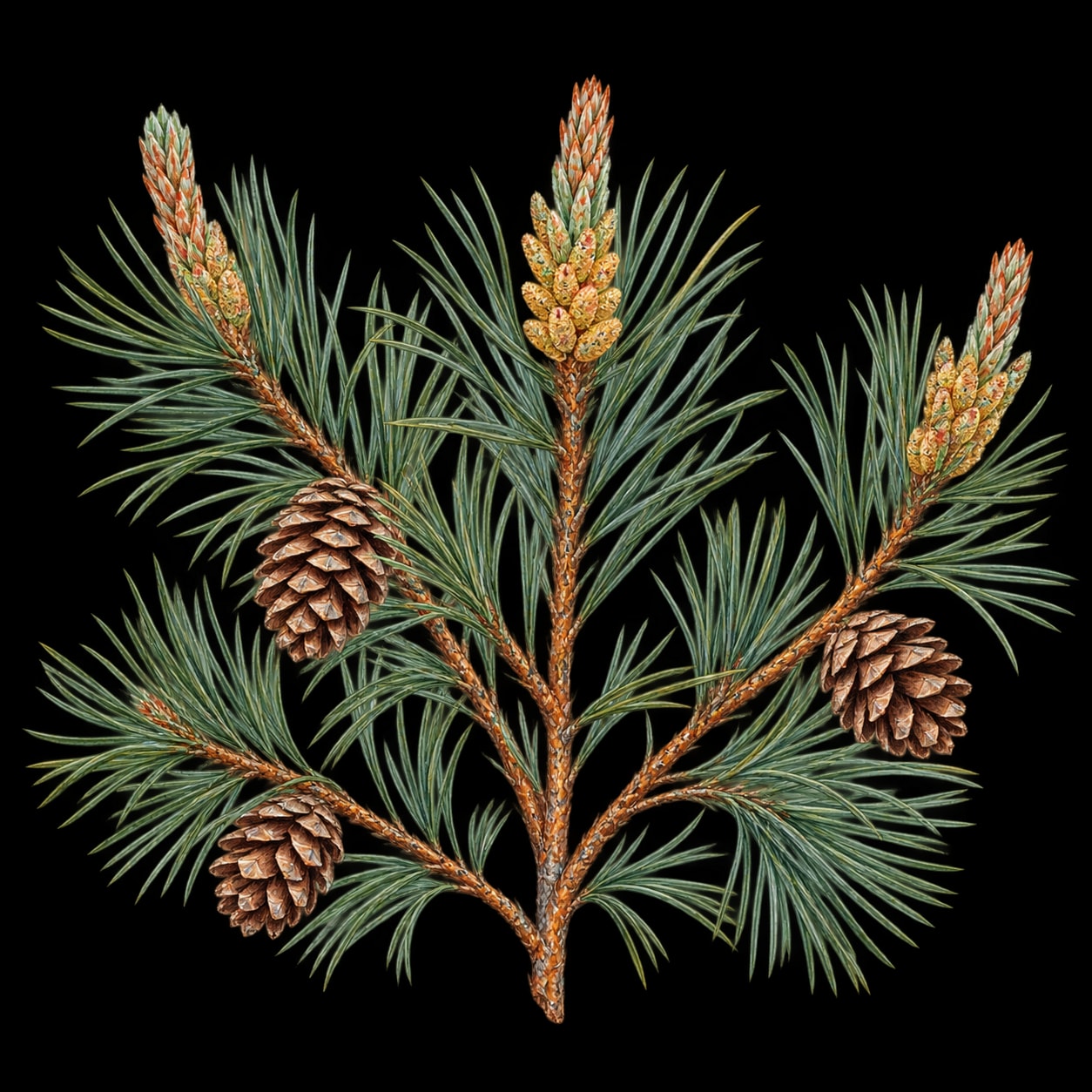
Pine — a expressive oil in respiratory and massage aromatherapy. Its fresh coniferous-resinous scent is suitable for seasonal blends and care of a tired body. It pairs well with citrus, lavender, and other wood essential oils.
Expectorant and mucolytic properties
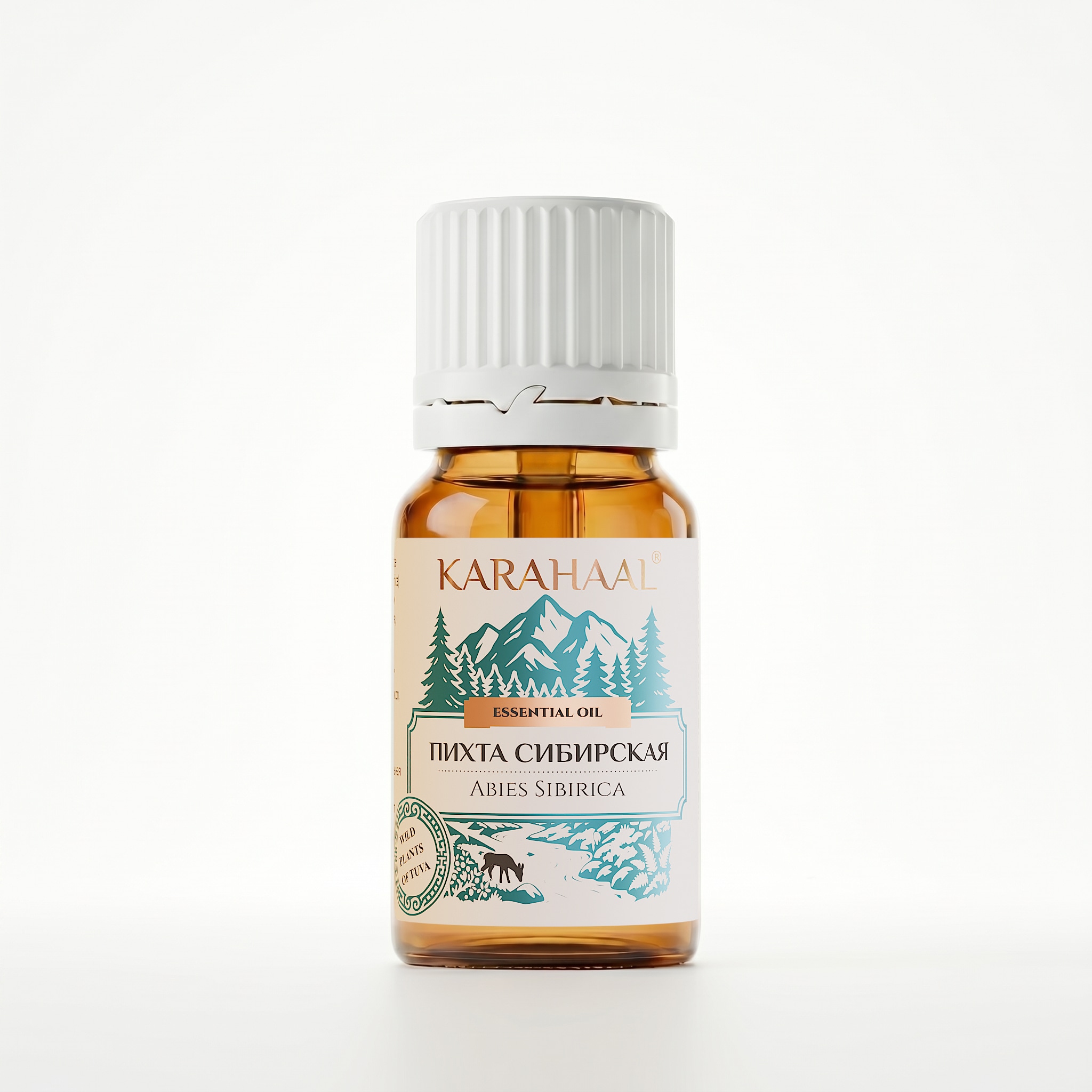
In the monograph KARAHAAL spruce is described in relation to wet cough, viscous secretion, and a feeling of congestion. Traditional uses include expectorant, mucolytic, and respiratory antiseptic applications. For adults, a mild aromatic intensity or a diluted mixture is used for the upper back area. [1]
Anti-inflammatory massage
Traditional uses also include muscle stiffness, mild pain discomfort, and spasms after exertion. Pine massage is convenient for shoulders, back, and legs; lavender softens the aroma and maintains a relaxing effect. In cases of pronounced pain and fresh trauma, initial assessment of the condition is required.
Nervous system and α-pinene
In an experimental study, a specific spatial form of α-pinene influenced sleep parameters under controlled oral administration. The authors investigated the connection between the response and GABA receptors involved in the inhibitory neurotransmission. The study focuses on a specific molecule of the coniferous profile. [2]
Emotional sphere
The freshness of pine suits a sense of space after mental fatigue. Orange makes the blend warmer, cypress makes it drier, and cedar adds depth. Keep the scent fresher during the day; in the evening, add lavender and reduce its intensity.
The freshness of the oil is important: coniferous monoterpenes oxidize upon exposure to air, so the bottle should be stored tightly sealed and protected from heat.
Blending suggestions
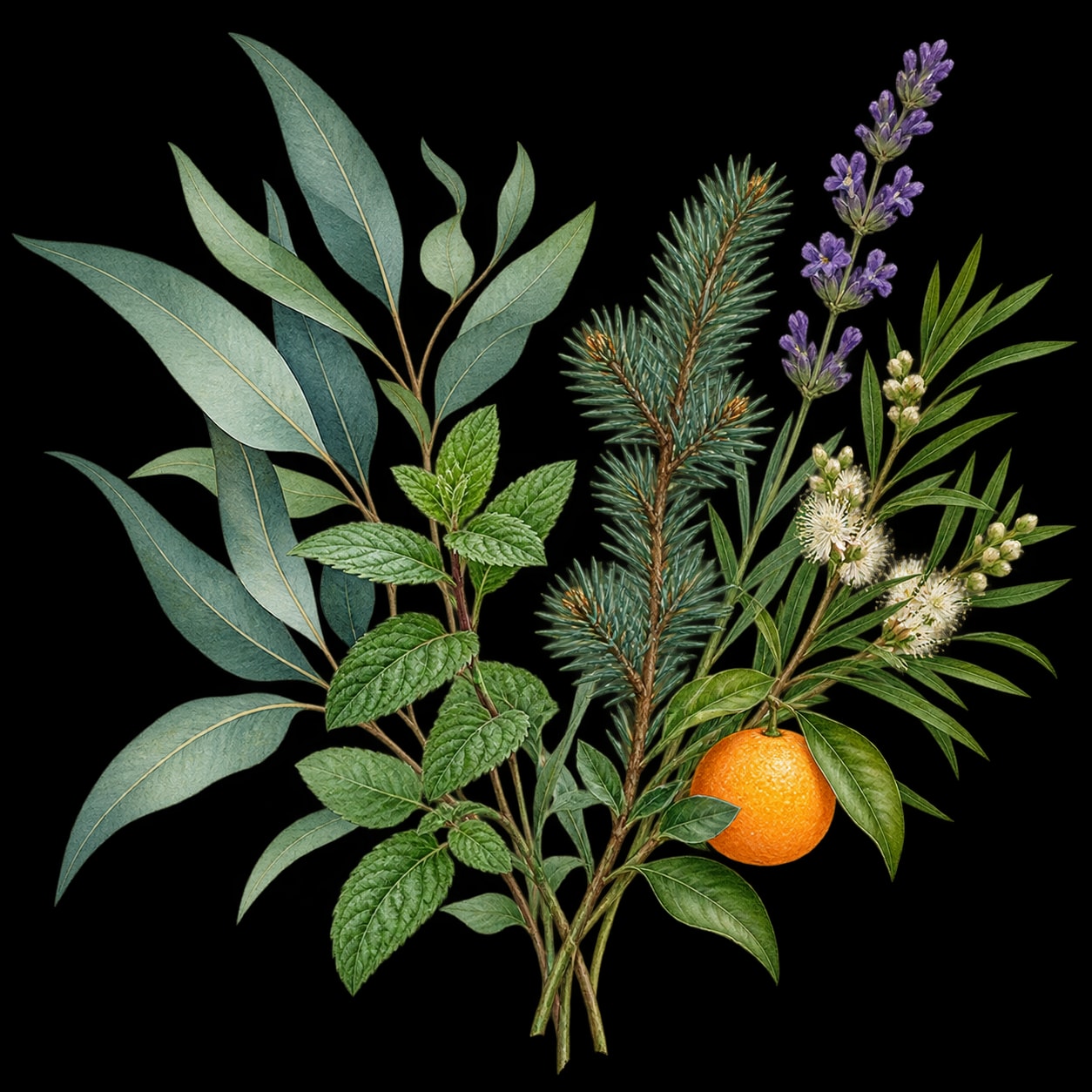
Lavender softens the fresh resin, orange adds warmth. Cypress emphasizes dryness, cedar provides a woody base, juniper enhances the forest character.
How to use
Examples for adults. Quantities are given for the entire bottle; for one application, take a small portion of the mixture. These are aromatic therapy routines, not medicinal dosages.
- Simple blend for local massage: 1 drop of Scots pine oil in 10 ml of jojoba. Mix in a clean bottle. Apply a small amount of the prepared blend to the shoulders or upper back and spread with gentle massage movements.
- Fresh daytime blend: 1 drop of Scots pine oil + 1 drop of true lavender essential oil in 20 ml of jojoba. Mix; use a small amount to gently massage the forearms or shoulders.
- Scenting without a diffuser: 1 drop on a paper towel or aromastone. Hold at a comfortable distance from the face, without touching the skin with the oil; several ordinary breaths are sufficient to assess the scent.
- “Conifer Walk” blend: Scots pine oil — 1 drop; cypress oil — 1 drop; jojoba — 20 ml. Combine in a clean, dry bottle and mix. Use a small amount of the prepared blend to gently massage an adult’s shoulders or forearms, away from the face.
Precautions
Dilute in a carrier oil before applying to skin. Do not ingest or apply to mucous membranes; stop use if irritation occurs. Store tightly closed, away from heat and light: oxidised oil is more likely to cause skin reactions.
What to combine with this care
- “Provence” lavender essential oil — Aromatic combination
- Essential oil of sweet orange — Aromatic combination
- Essential oil of Cypress — Aromatic combination
- Jojoba oil — Base for the oil recipes above
Sources
- Catalog KARAHAAL: Pinus sylvestris.
- α-Pinene and parameters of slow sleep: experimental study, 2016.