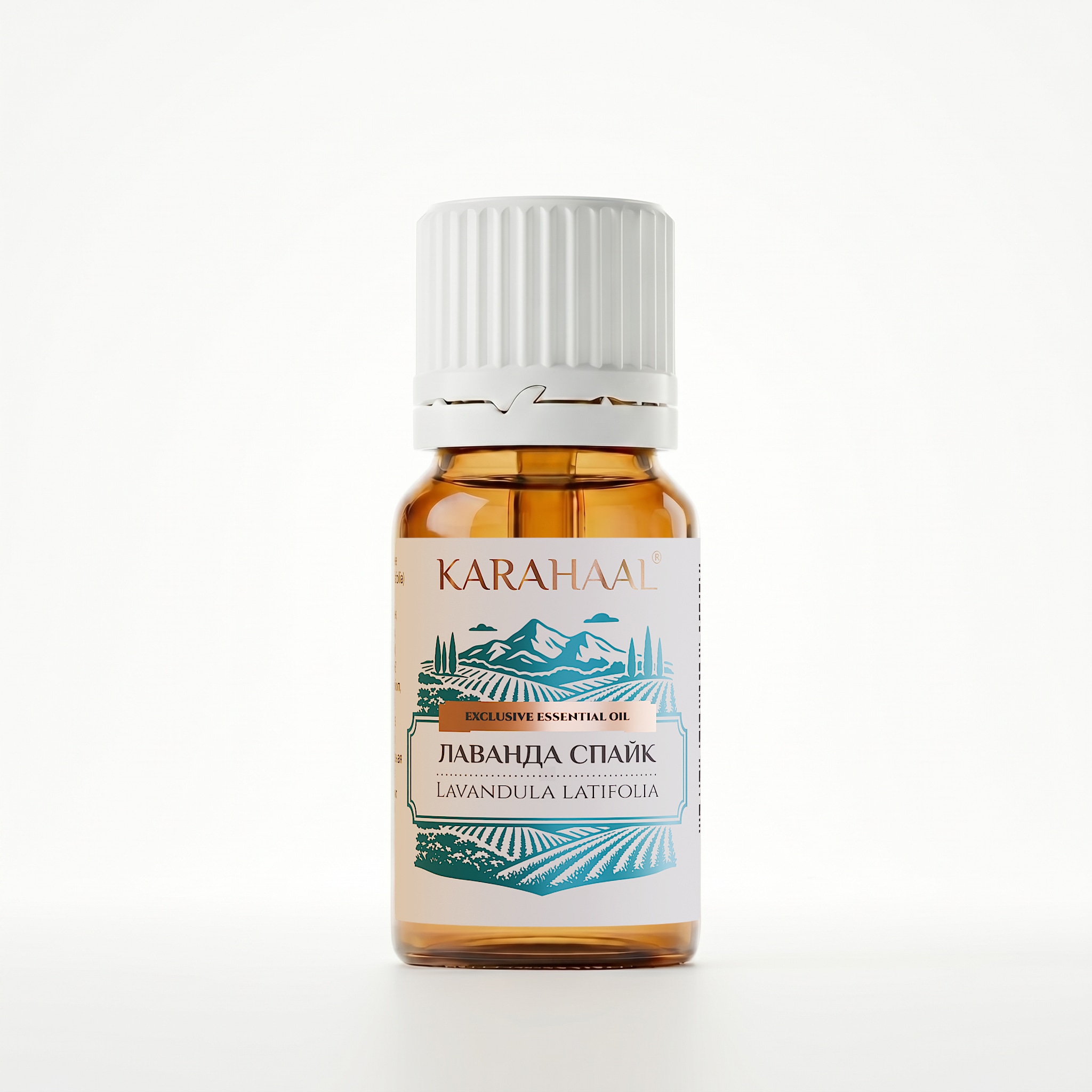
Spike lavender: muscle pain, expectorant action, and clarity
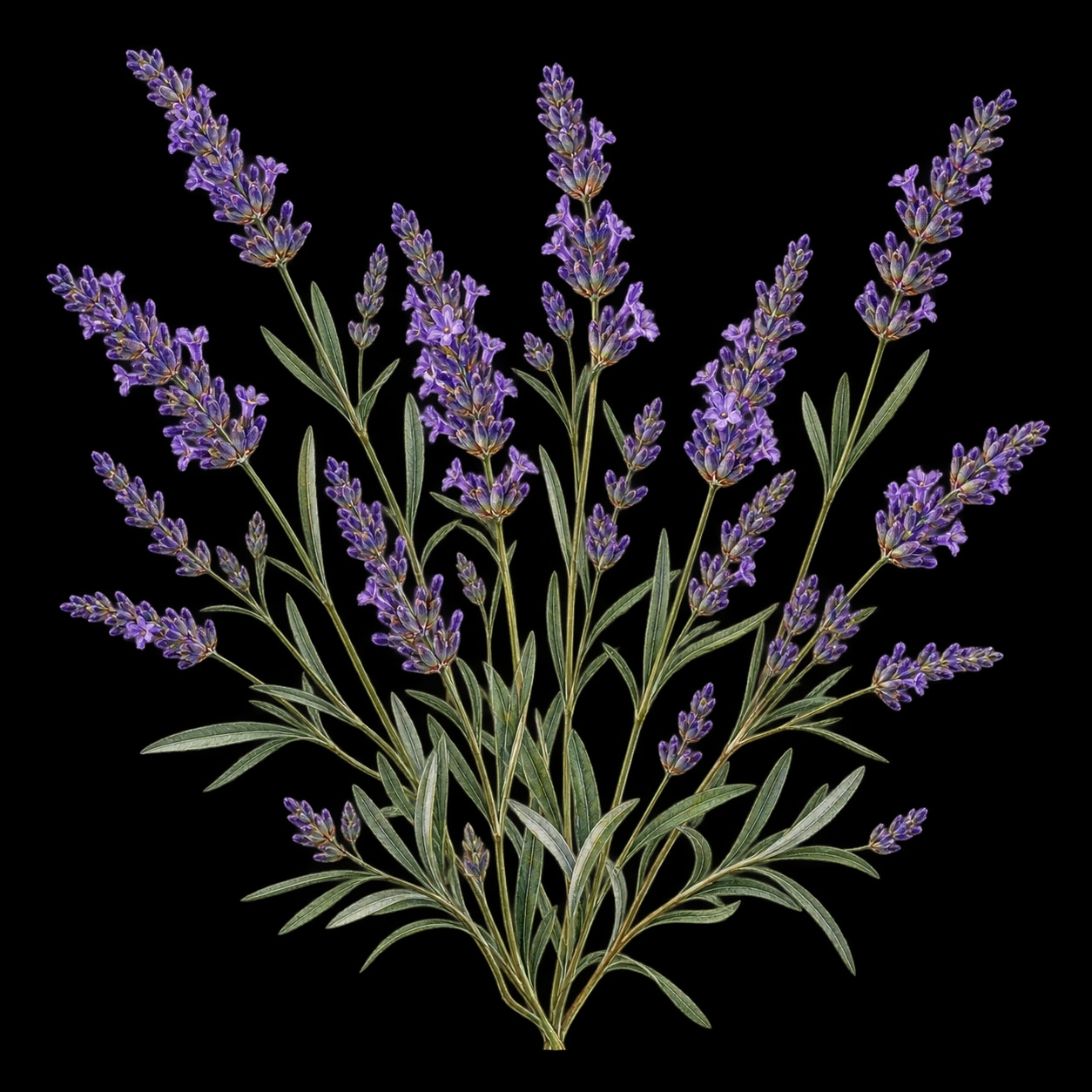
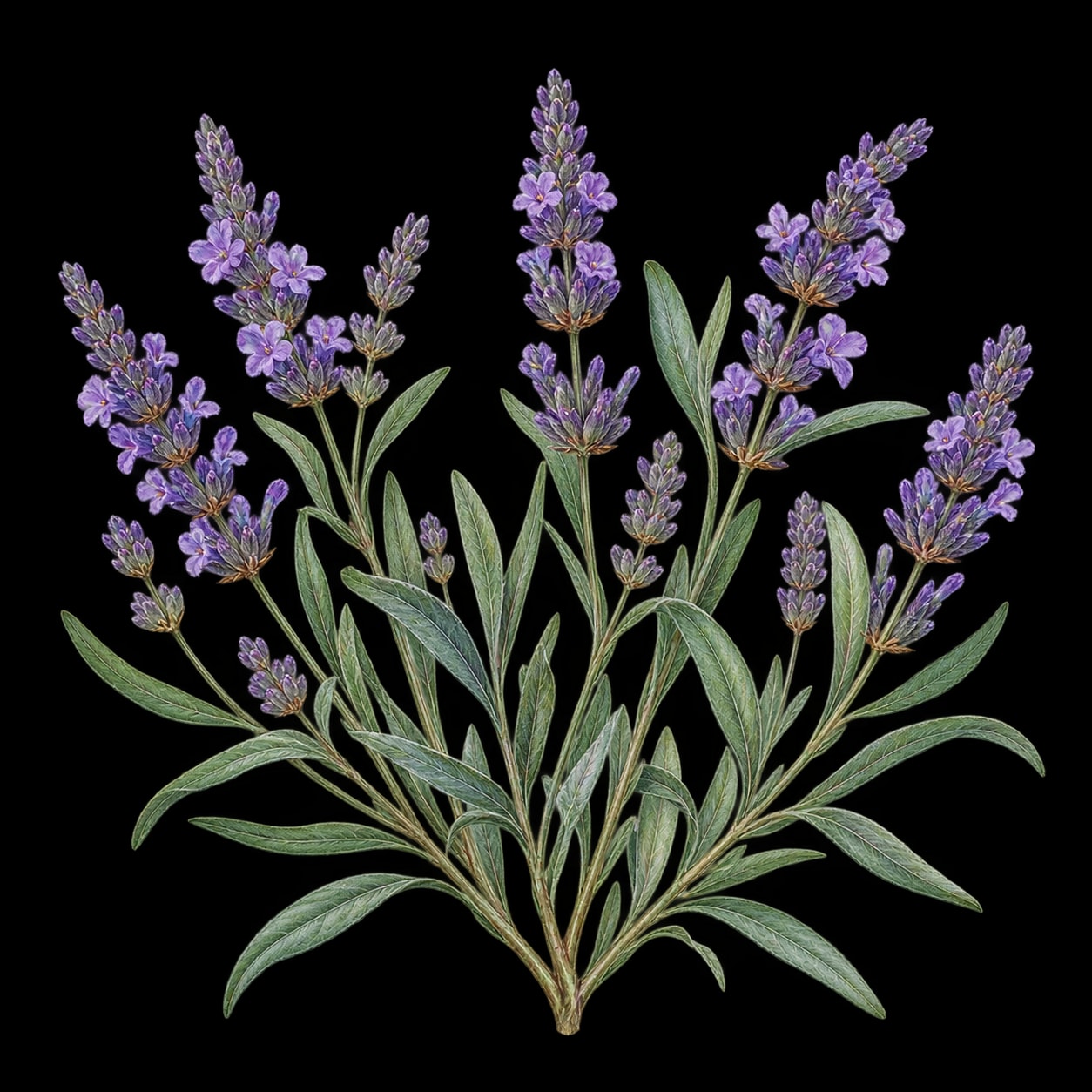
Spike lavender Lavandula latifolia differs from common narrow-leaf lavender with a noticeable camphoraceous freshness. In aromatherapy practice, it is used for muscle pain, spasms, and in respiratory blends. This profile is selected when both floral softness and a more energetic herbaceous expression are needed.
Muscles and respiratory pathways
In academic aromatherapy literature, spike lavender is described for its analgesic, expectorant, and mucolytic properties. It is included in massage blends for tense muscles and in formulations for seasonal coughs. Practical use is based on moderate concentration: the pronounced freshness should remain comfortable for skin and respiratory pathways. [1]
What explains the chemistry
Cineole links spike lavender with respiratory applications. For purified 1,8-cineole, there is a clinical study on acute bronchitis: the oral formulation reduced symptom severity compared to placebo. This study relates to the pharmaceutical form of the molecule and helps explain interest in the component, but does not describe the use of lavender inhaled for bronchitis treatment. [2]
Linalool adds a calming effect: its olfactory action has been studied in experimental models of anxiety. The combination of linalool's softness and cineole-camphor freshness makes spike lavender interesting for daytime massage and recovery after exertion. [3]
Emotional sphere
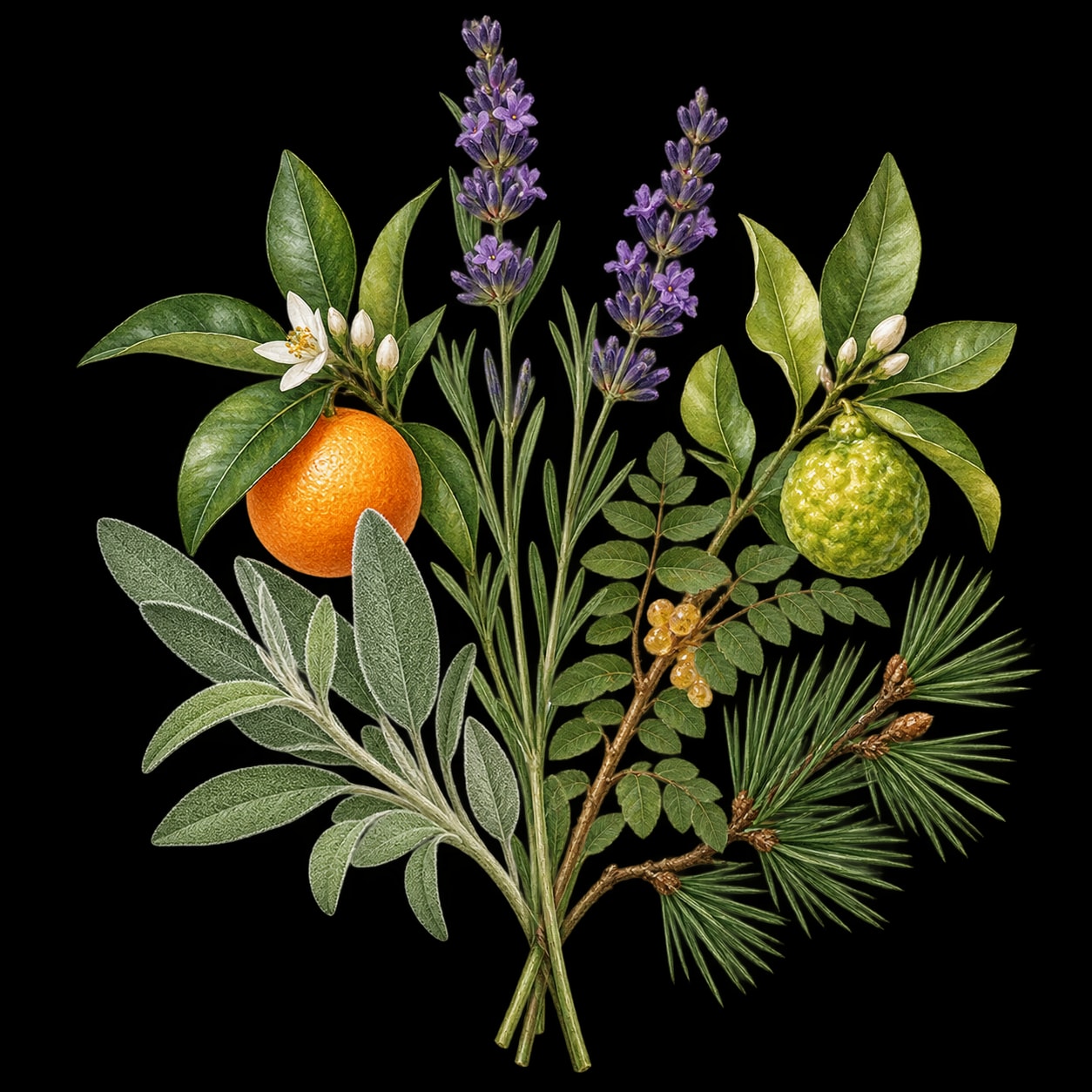
Its aroma is crisper and cooler than Lavandula angustifolia. It suits those who want to retain a sense of clarity while resting, rather than create a heavy evening blend. Orange adds warmth, cypress highlights the freshness, and cedar provides a dry woody base. For a delicate floral blend, combine spike lavender with a small amount of geranium.
Blending suggestions
The sweet orange softens the camphoraceous note; cypress enhances the fresh massage character; cedar adds stability; geranium makes the blend more floral.
How to use
Examples for adults. Quantities are given for the entire bottle; for one application, take a small portion of the mixture. These are aromatic therapy routines, not medicinal dosages.
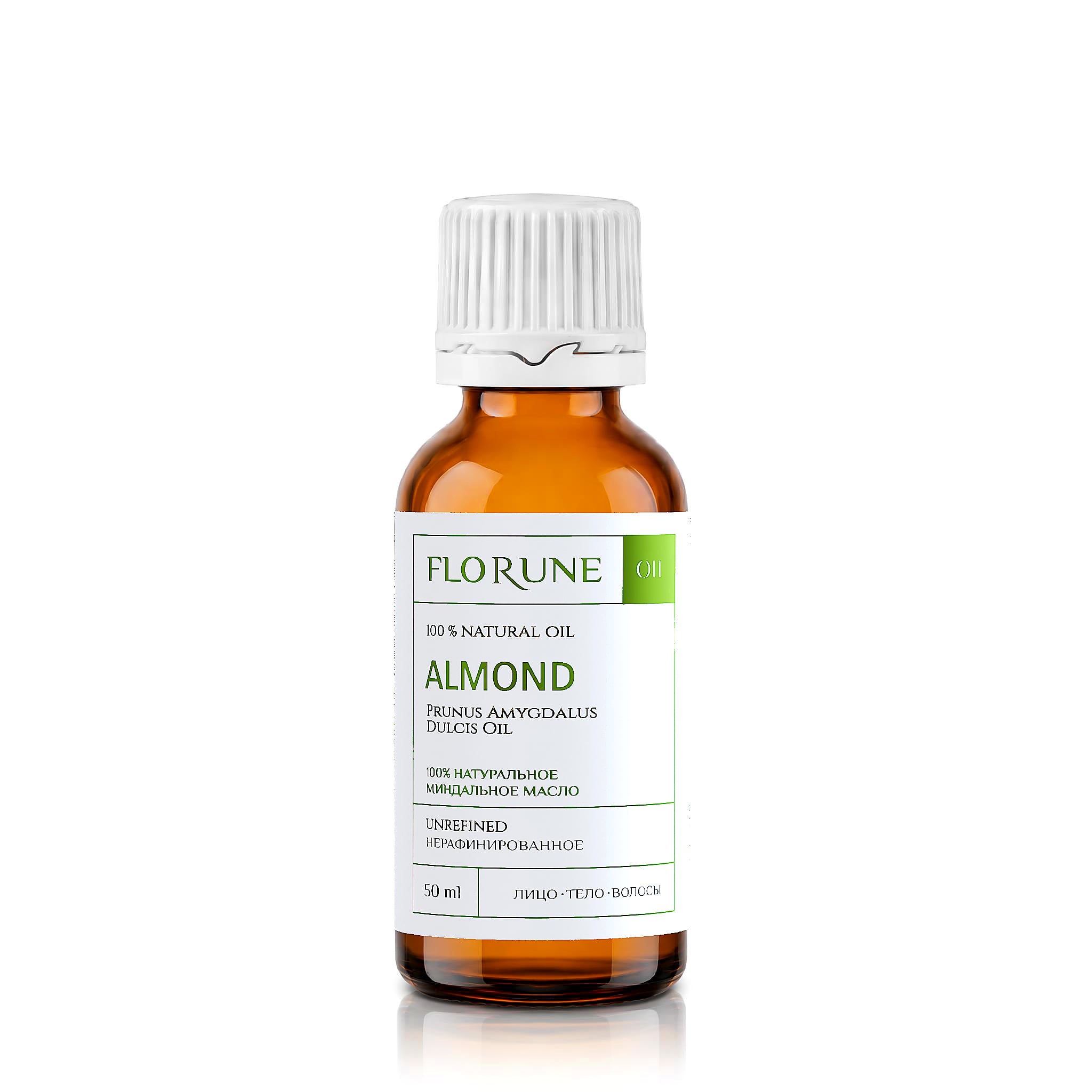
- Simple blend for local massage: 1 drop of spike lavender oil in 10 ml of jojoba. Mix in a clean bottle. Apply a small amount of the prepared blend to the shoulders or upper back and spread with gentle massage movements.
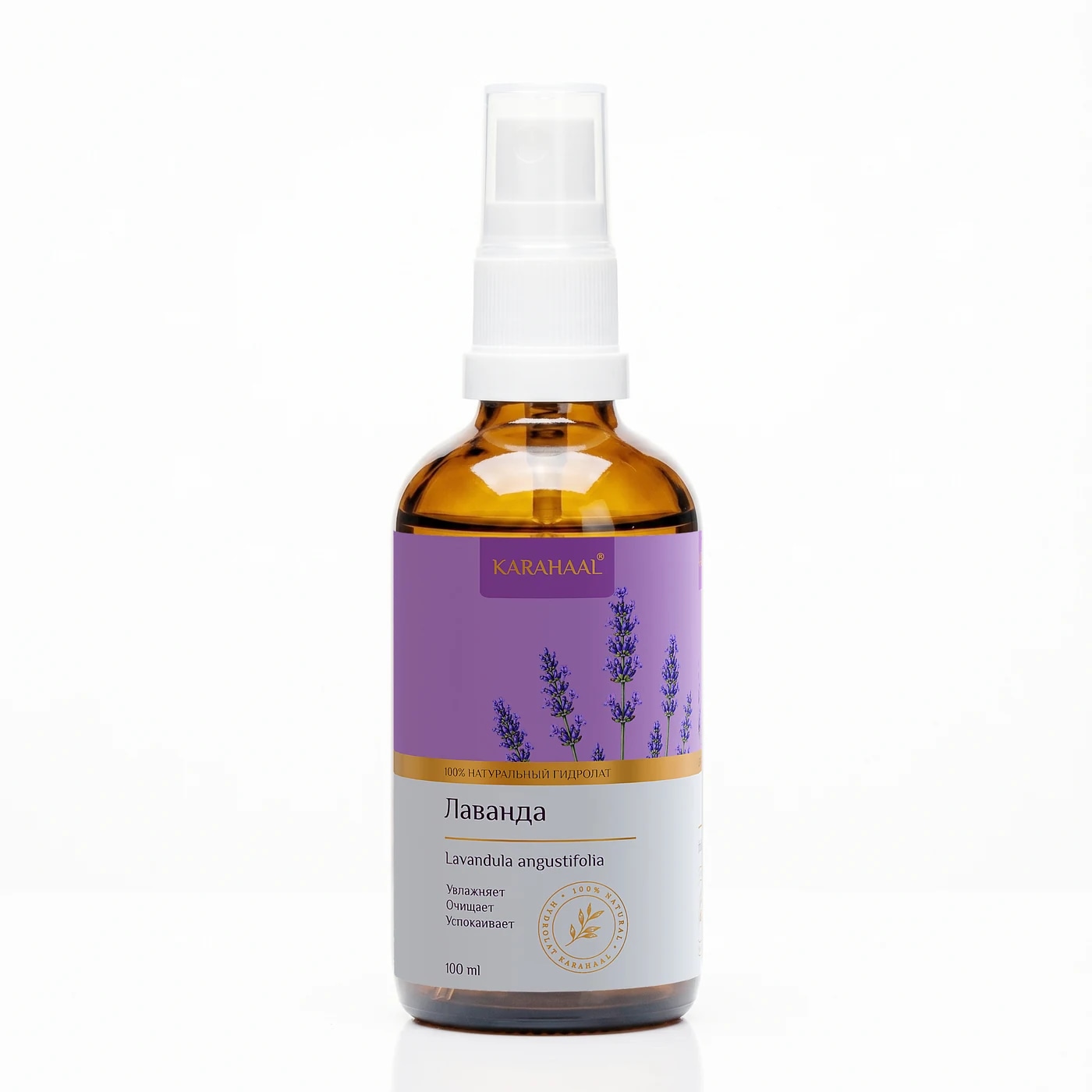
- Gentle evening blend: 1 drop of spike lavender oil + 1 drop of true lavender essential oil in 20 ml of jojoba. Mix; use a small amount to gently massage the forearms or shoulders.
- Scenting without a diffuser: 1 drop on a paper towel or aromastone. Hold at a comfortable distance from the face, without touching the skin with the oil; several ordinary breaths are sufficient to assess the scent.
- “Fresh Woody Lavender” blend: spike lavender oil — 1 drop; amyris oil — 1 drop; jojoba — 20 ml. Combine in a clean, dry bottle and mix. Use a small amount of the prepared blend to gently massage an adult’s shoulders or forearms, away from the face.
Precautions
For adults; apply to skin only after dilution. Do not apply to the face or near the nose of young children. For epilepsy, pregnancy or heightened airway reactivity, use is selected individually. Do not ingest.
What to combine with this care
- Essential oil of sweet orange — Aromatic combination
- Rose geranium essential oil — Aromatic combination
- Essential oil of Cypress — Aromatic combination
- Jojoba oil — Base for the oil recipes above
- Amyris essential oil