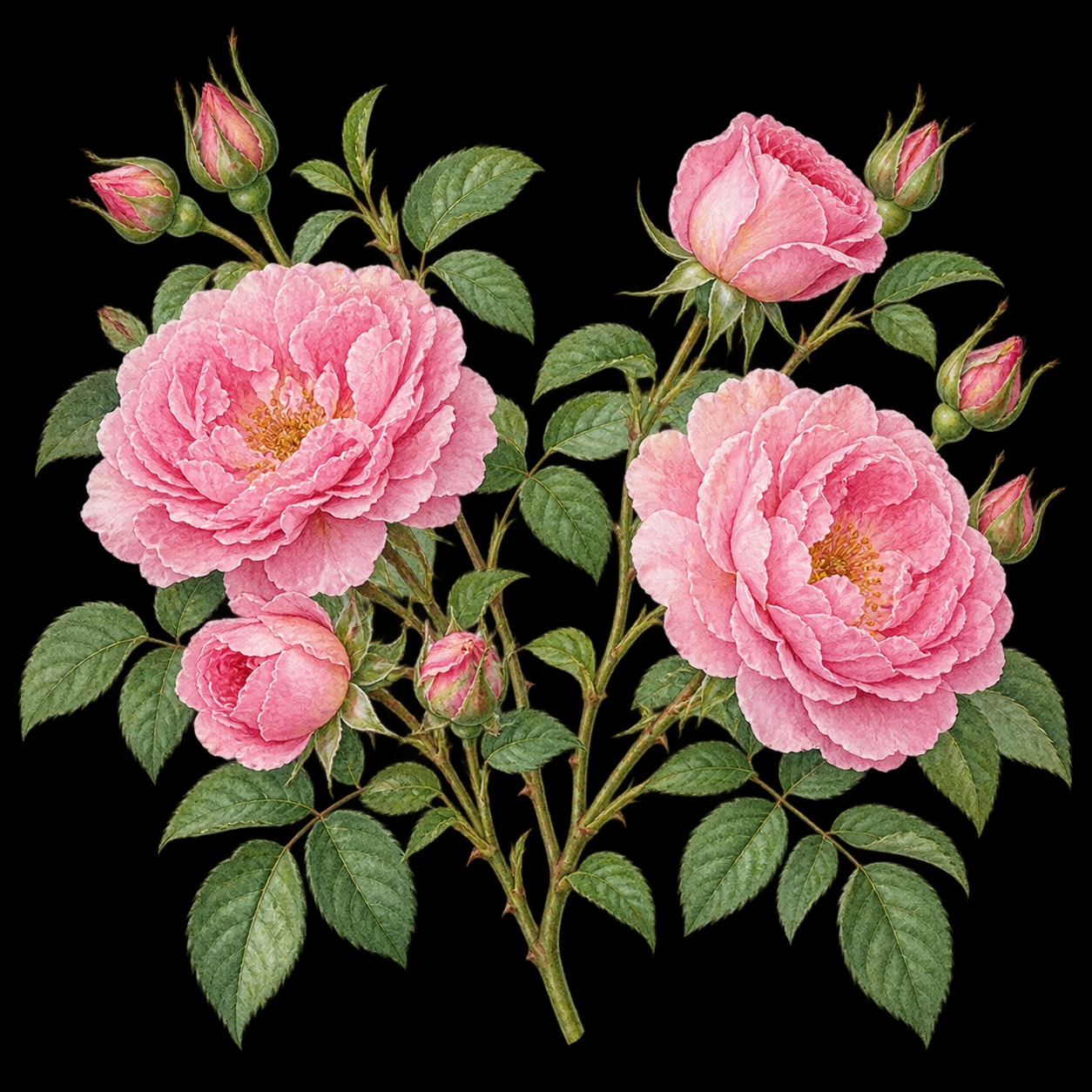
Damask Rose: Anxiety, emotional tension, and sensory care
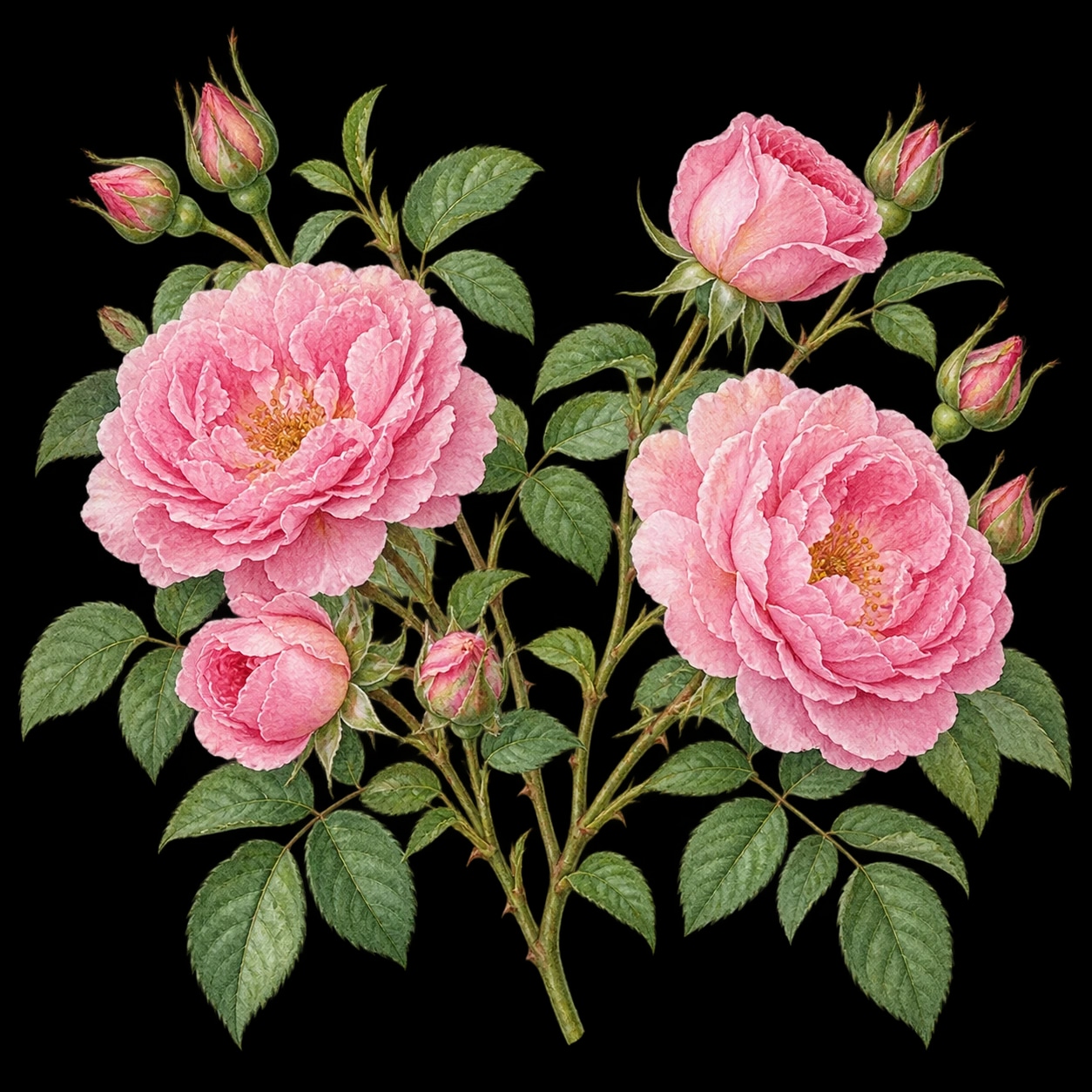
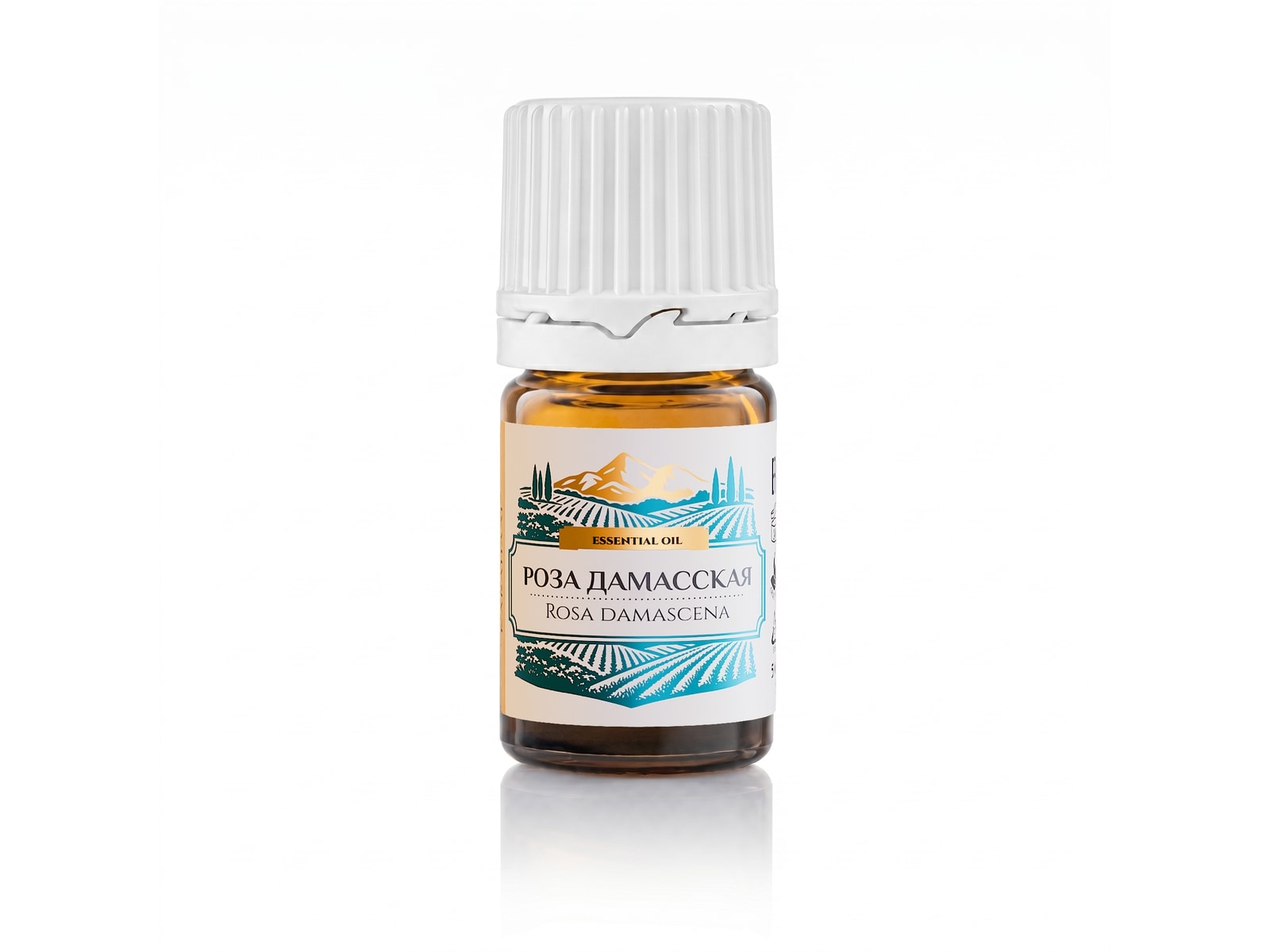
Distilled oil Rosa damascena — the concentrated aromatic part of the flower. It combines rose sweetness, green freshness, honey notes, and a subtle spice. The primary aromatherapeutic focus of rose is the nervous system and emotional state; these areas were specifically studied in research involving people.
Therapeutic properties
Relaxing effect
In a controlled study involving 40 healthy participants, after topical application of rose oil, changes in breathing and systolic blood pressure, as well as a subjective feeling of increased relaxation, were recorded. Olfactory exposure was limited using breathing masks to more carefully examine the mechanism of action. [1]
Rose is chosen for gentle hand massage, small aromatic blends, and calm evening self-care. Its rich floral aroma unfolds best in small amounts, especially when paired with soft woody and citrus notes.
Anxiety in a stressful situation
In a study with 80 patients after a myocardial infarction, inhaled rose aromatherapy in addition to hospital care was associated with reduced anxiety. However, another trial before coronary bypass surgery did not show a significant advantage in terms of anxiety. [2] [3]
General practical conclusion — rose presents interest as an additional method of emotional support, especially if the aroma is pleasant to the individual. It does not produce the same effect in all types of stress. In aromatherapy traditions, it is selected during emotional vulnerability, feelings of emotional sensitivity, tension after social interaction, and a need for gentle body care.
Skin and massage
Damask rose essential oil is added to delicate skincare and aromatherapy massage bases. Its potency allows for the use of very small quantities. For dry skin, it is combined with an appropriate lipid base; for hands, it is blended with jojoba or almond oil. Essential oil, aromatic absolute, and rose water differ in composition and cannot be substituted for one another in a recipe.
Aromapsychological and sensory emphasis
Rose is selected for compositions associated with closeness, attention to the body, and calm relaxation. Sandalwood adds a warm woody depth, bergamot brings freshness, and geranium emphasizes the green floral note. A light rose trail is suitable for daily use.
Blending suggestions
Sandalwood creates a warm woody base. Bergamot lightens the intensity, geranium highlights the green rose note. Lavender makes the composition more herbaceous and calming, while vanilla extract requires separate compatibility testing with the base.
Research in detail
Topical application in 40 volunteers, 2009
In a controlled study of healthy participants, olfactory stimulation was limited using breathing masks. After applying rose oil, researchers recorded changes in breathing and systolic blood pressure; participants also reported feeling more relaxed and calm. A small physiological experiment is interesting in terms of its mechanism of action, but it was not a trial of treatment for anxiety disorders. [1]
Aromatherapy in a cardiology hospital
In a randomized study with 80 patients following a myocardial infarction, inhalational aromatherapy with rose oil was evaluated as an adjunct to inpatient care. The authors reported a reduction in anxiety. Context is crucial: participants received medical treatment, and the oil was assessed based on emotional state indicators, not on cardiac recovery or prevention of recurrent infarction. [2]
Why it is important to view results from different studies together
In another randomized study with 66 patients before coronary bypass surgery, a significant reduction in anxiety compared to control was not observed. The results of rose aroma studies vary depending on the procedure and participant group. For personal care, choose a pleasant scent intensity and a comfortable environment. [3]
How to use
Examples for adults. Quantities are given for the entire bottle; for one application, take a small portion of the mixture. These are aromatic therapy routines, not medicinal dosages.
- Simple blend for local massage: 1 drop of Damask rose oil in 20 ml of jojoba. Mix in a clean bottle. Apply a small amount of the prepared blend to the shoulders or upper back and spread with gentle massage movements.
- Gentle evening blend: 1 drop of Damask rose oil + 1 drop of true lavender essential oil in 30 ml of jojoba. Mix; use a small amount to gently massage the forearms or shoulders.
- Scenting without a diffuser: 1 drop on a paper towel or aromastone. Hold at a comfortable distance from the face, without touching the skin with the oil; several ordinary breaths are sufficient to assess the scent.
- “Rose and Wood” blend: Damask rose oil — 1 drop; white sandalwood oil BIO — 1 drop; jojoba — 30 ml. Combine in a clean, dry bottle and mix. Use a small amount of the prepared blend to gently massage an adult’s shoulders or forearms, away from the face.
Precautions
Dilute in a carrier oil before applying to skin. Do not ingest or apply to mucous membranes; stop use if irritation occurs. A particularly low concentration is needed for skin use; the strength of the aroma is not a reason to increase the dose.
What to combine with this care
- Essential oil of sweet orange — Aromatic combination
- White sandalwood essential oil BIO — Aromatic combination
- Rose geranium essential oil — Aromatic combination
- Jojoba oil — Base for the oil recipes above