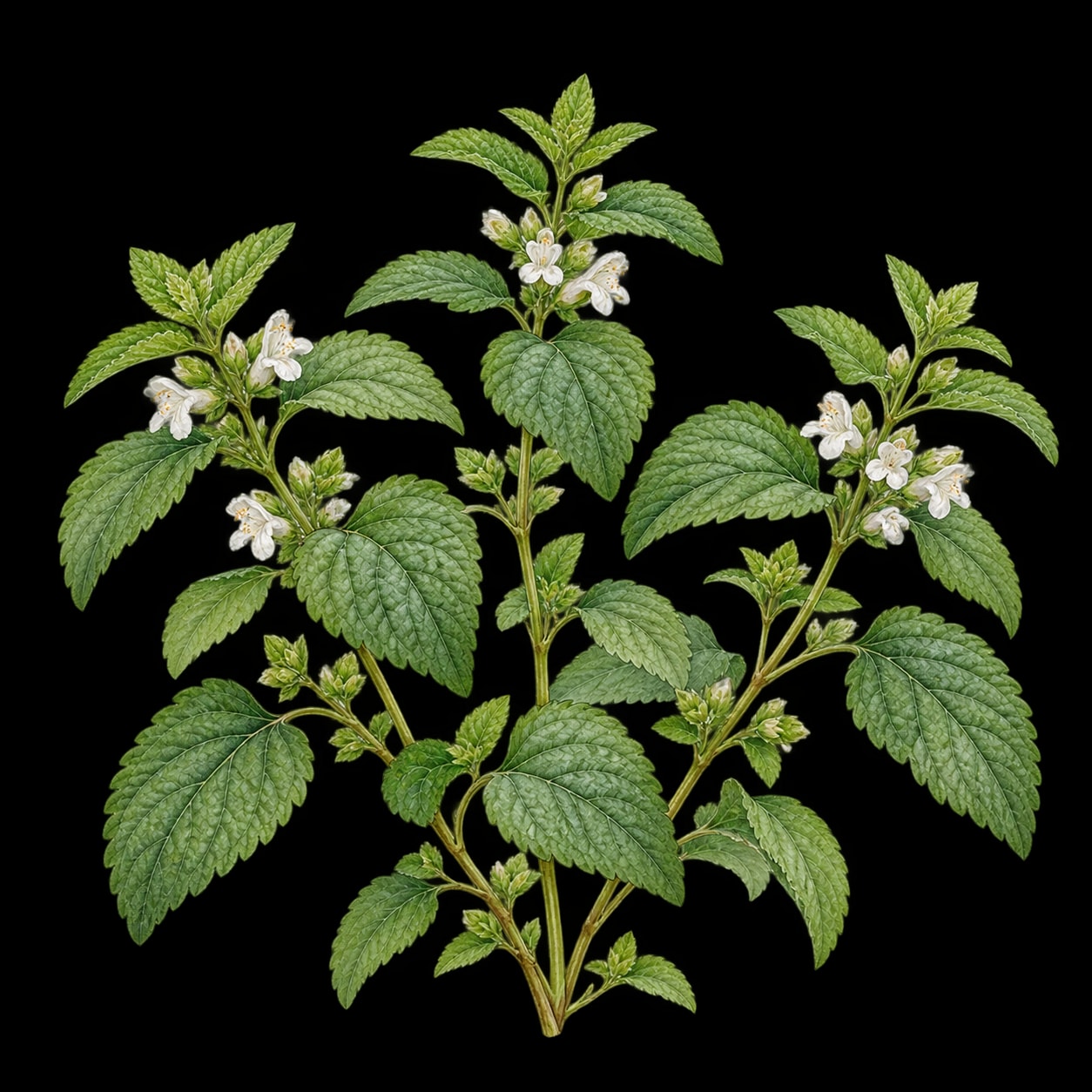
Lemon balm: nervous tension relief and antiviral potential
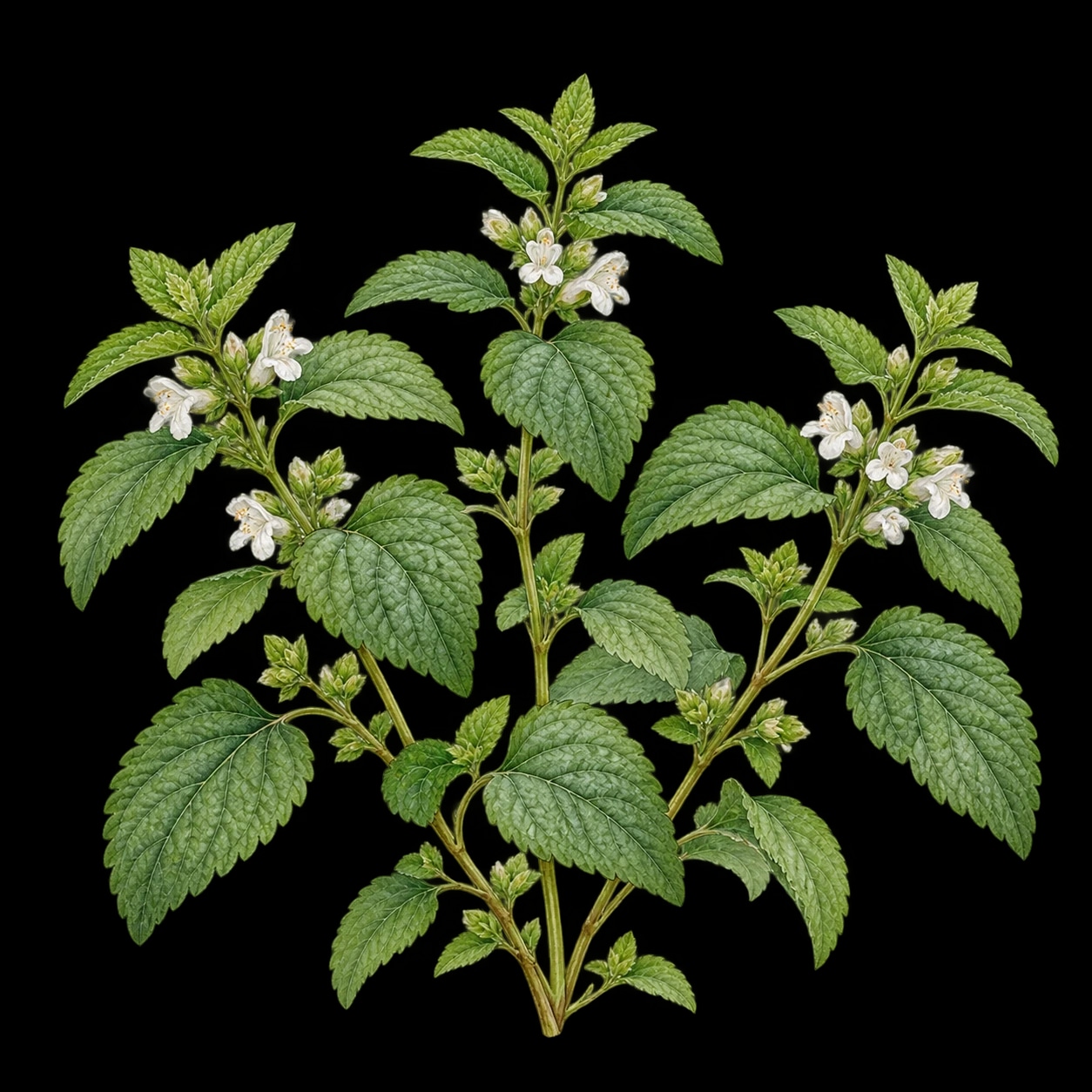
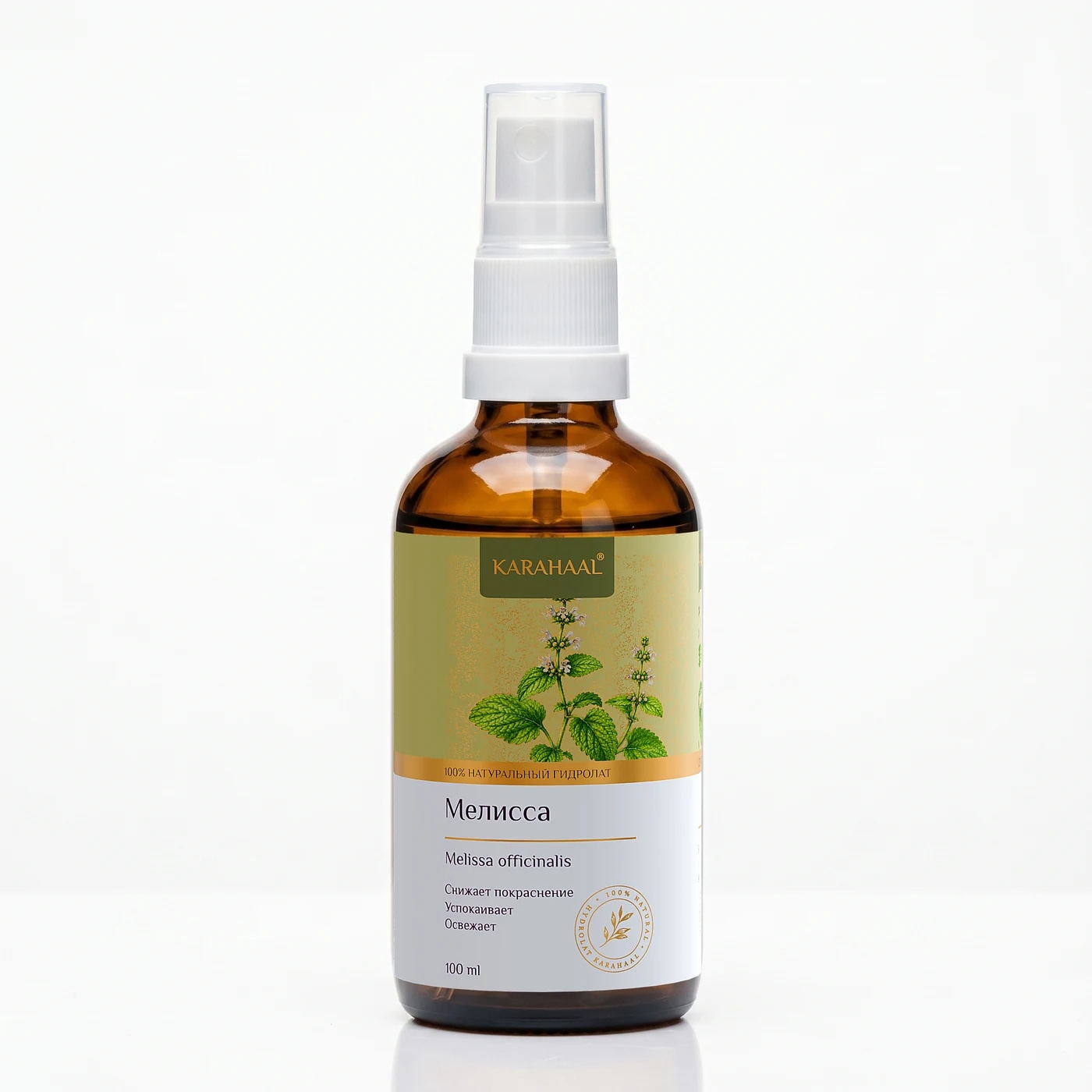
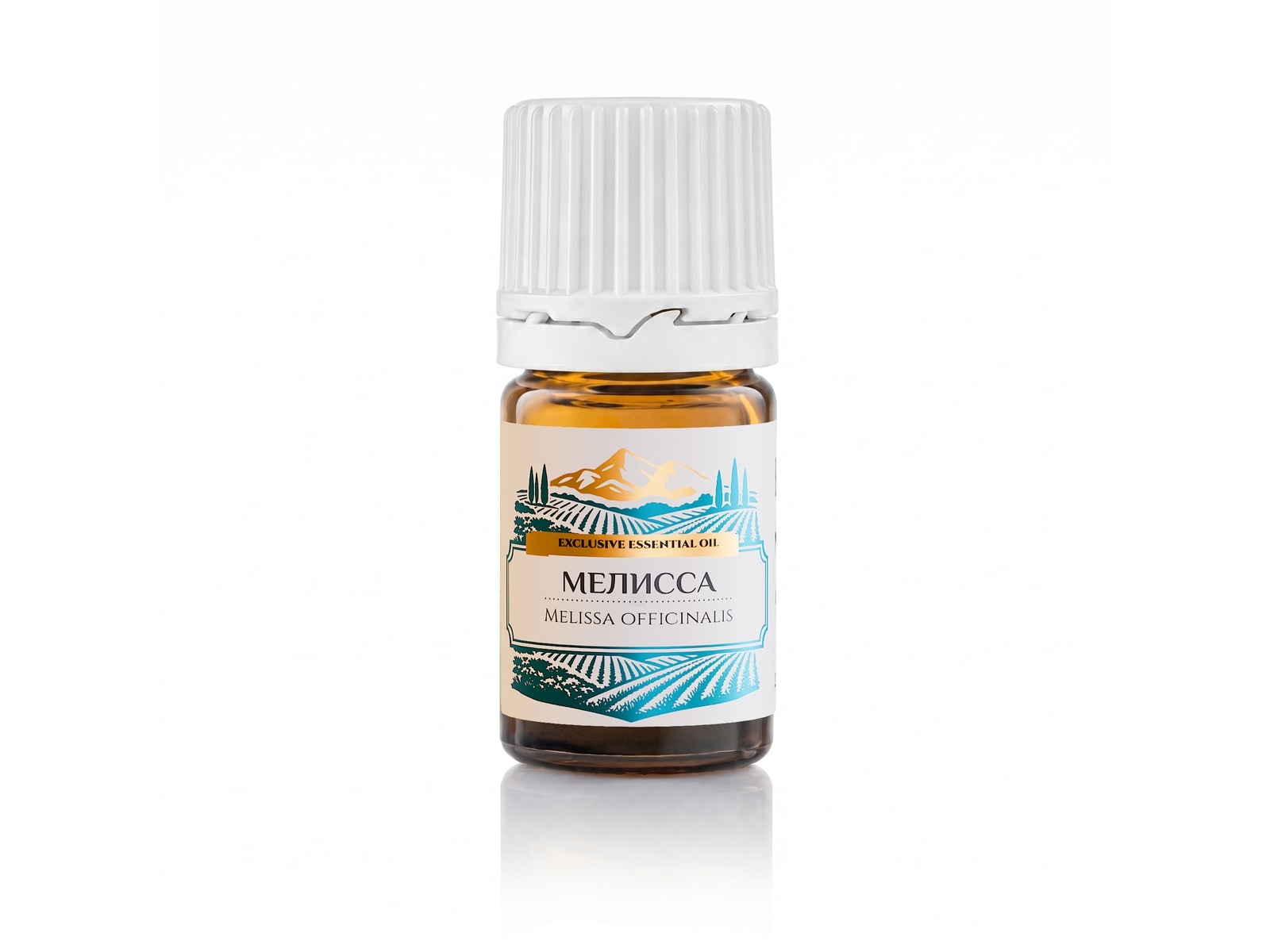
Lemon balm is chosen for gentle emotional support when tension combines with irritability and difficulty relaxing. Its lemony-herbal scent is deeper and greener than simple citrus. The oil is highly expressive, so a small amount helps maintain the softness of the composition.
Calming direction
In aromatherapy, lemon balm is traditionally used for anxiety and disrupted transition to sleep. The essential oil has a clinical research background: in a study with 72 people with severe dementia, a lotion containing lemon balm was associated with a significant reduction in excitement compared to standard care. [1]
In a larger subsequent trial, improvements were noted in all groups, without a significant advantage of lemon balm on the primary outcome measure. Research results vary; in dementia, aromatic care is selected in conjunction with a treating specialist. [2]
Antiviral action
In a laboratory study, Melissa officinalis essential oil reduced viral infectivity of herpes simplex viruses HSV-1 and HSV-2. The most pronounced effect was observed when the oil came into contact with the virus prior to its entry into the cell. This is a specific antiviral mechanism, distinct from action on already infected cells. [3]
The research supports the development of topical preparations, but does not recommend applying the concentrate to the lips, mucous membranes, or eye area. Ready-made products containing lemon balm extract are not equivalent to essential oil in composition.
Practical aromatherapy
For a relaxing hand massage, lemon balm is combined with lavender or sandalwood, using a low overall concentration. Neroli adds a delicate floral freshness, mandarin brings a warm lightness, and geranium adds a rose-like volume. The more complex and intense the scent, the more important it is to first evaluate a small sample.
Blending suggestions
Lavender makes the composition calmer, neroli makes it lighter and more floral. Mandarin adds warmth, sandalwood holds the soft base, and geranium rounds out the green note.
Research in detail
Positive study on supportive care
In a placebo-controlled study with 72 participants suffering from severe dementia, staff applied a lotion containing lemon balm essential oil or a control base. After four weeks, the authors reported greater reduction in agitation in the lemon balm group and improvements in some quality-of-life indicators. The results relate to institutional care settings. [1]
A later trial did not confirm the advantage
In a subsequent double-blind study, 114 participants were involved. Regarding the primary agitation measure, no significant differences were found between aromatherapy, pharmaceutical groups, and placebo, although improvements were observed across all groups. When selecting care for a person with dementia, scent tolerance, a calm environment, and recommendations from the treating professional are important. [2]
How to use
Examples for adults. Quantities are given for the entire bottle; for one application, take a small portion of the mixture. These are aromatic therapy routines, not medicinal dosages.
- Simple blend for local massage: 1 drop of lemon balm oil in 20 ml of jojoba. Mix in a clean bottle. Apply a small amount of the prepared blend to the shoulders or upper back and spread with gentle massage movements.
- Gentle evening blend: 1 drop of lemon balm oil + 1 drop of true lavender essential oil in 30 ml of jojoba. Mix; use a small amount to gently massage the forearms or shoulders.
- Scenting without a diffuser: 1 drop on a paper towel or aromastone. Hold at a comfortable distance from the face, without touching the skin with the oil; several ordinary breaths are sufficient to assess the scent.
- “Soft Lemon Notes” blend: lemon balm oil — 1 drop; white sandalwood oil BIO — 1 drop; jojoba — 30 ml. Combine in a clean, dry bottle and mix. Use a small amount of the prepared blend to gently massage an adult’s shoulders or forearms, away from the face.
Precautions
Dilute in a carrier oil before applying to skin. Do not ingest or apply to mucous membranes; stop use if irritation occurs. A particularly low concentration is needed for skin use; the strength of the aroma is not a reason to increase the dose.
What to combine with this care
- “Provence” lavender essential oil — Aromatic combination
- Mandarin essential oil — Aromatic combination
- White sandalwood essential oil BIO — Aromatic combination
- Jojoba oil — Base for the oil recipes above
Sources
- Aromatherapy as a safe and effective treatment for the management of agitation in severe dementia: the results of a double-blind, placebo-controlled trial with Melissa.
- A double-blind placebo-controlled randomized trial of Melissa officinalis oil and donepezil for the treatment of agitation in Alzheimer's disease.
- Schnitzler P. et al. Melissa officinalis oil affects infectivity of enveloped herpesviruses. 2008.
- Melissa aromatherapy and agitation, 2002
- Melissa, donepezil and placebo for agitation, 2011